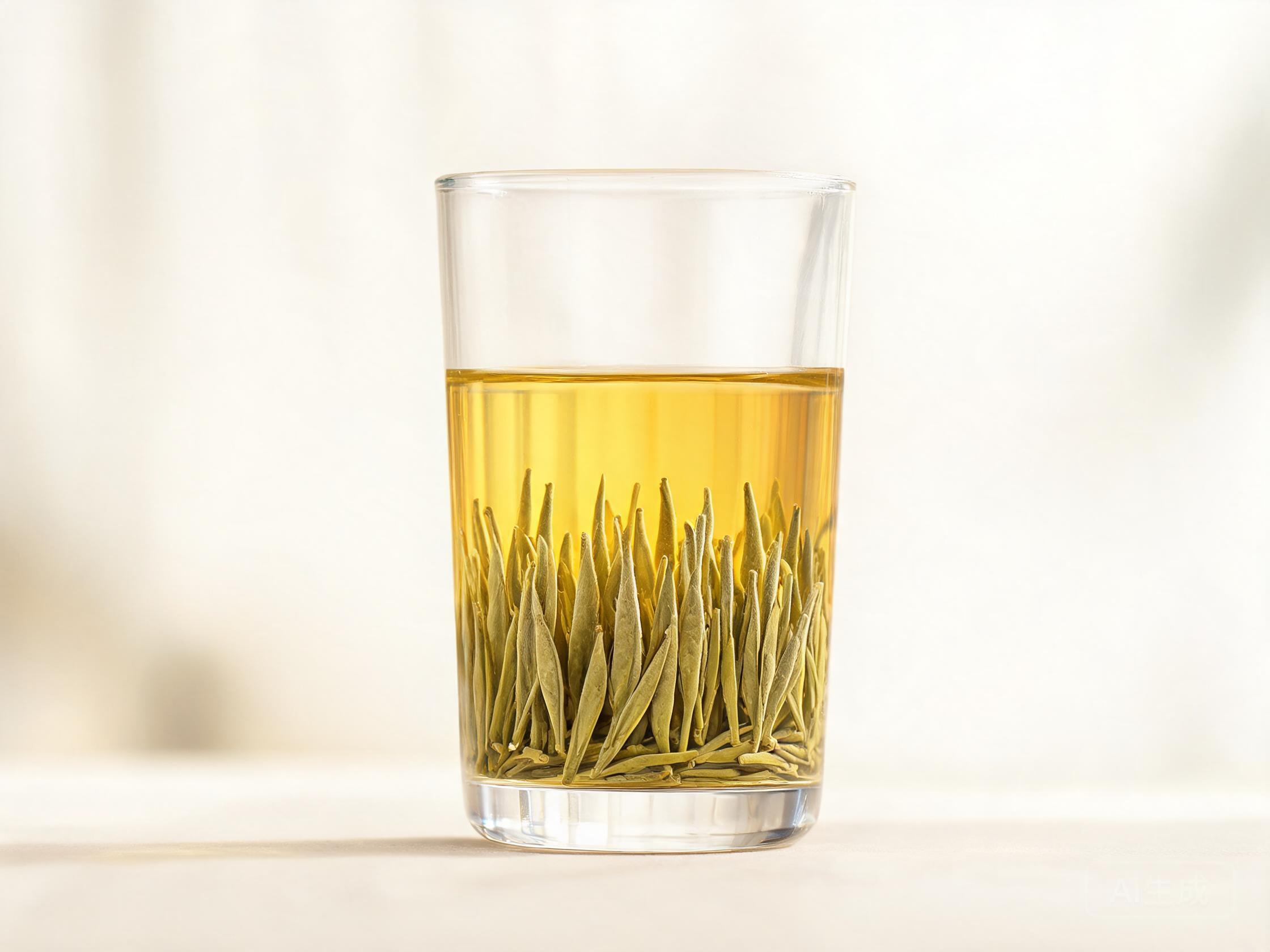
Two different purchases
Yellow tea is the most awkward category for this question, because it is expensive, scarce and almost entirely a drink-now tea.
It is made in small volumes from early pickings, and the piling step that defines it is what makes it worth drinking young.
There is no tradition of ageing yellow tea and no market for old examples, which settles the collecting side fairly quickly.
What there is instead is a strong temptation to buy expensive yellow tea and keep it for a special occasion that never arrives.
The tea fades like a green tea, roughly within a year, so the occasion has to be this season or not at all.
So the useful distinction here is not daily versus collected. It is a small regular purchase versus one expensive mistake.
Buying 50 grams twice a year beats buying 200 grams once, in every way that matters.
The comparison that makes this concrete is a yellow tea and a green tea from the same producer, bought together and drunk within a month.
For daily drinking
Strictly, yellow tea is a poor daily tea, because it costs several times a good green tea per gram and brews only two or three times.
If you want it in the daily rotation, treat it as a morning tea rather than an all-day one.
Junshan Yinzhen is the delicate option and Huoshan Huangya the more robust one, and the second is the better daily choice of the two.
Brew at about 80 to 85 degrees. Higher temperatures bring out a bitterness that the piling was supposed to remove.
At 3 grams a session, 50 grams is about 16 cups, which is two or three weeks of a morning habit.
Keep it sealed and cold, exactly as you would a green tea. Warm storage flattens it within months.
If the cost bothers you, and it should, drink a good Longjing four days a week and yellow tea on the other three.
Expect two or three infusions rather than five. Yellow tea gives up most of what it has in the first minute, and pushing it brings out bitterness.
For collecting
There is no meaningful case for collecting yellow tea, and the reasons are worth understanding rather than just accepting.
The piling step removes the grassy edge of a green tea. It does not create the kind of structure that develops over decades.
What it creates is a tea that is at its best within months of production and declines from there, like any green tea.
Aged yellow tea appears on the market occasionally, and it is usually green tea that has gone dull.
The exception is a reference set: 25 grams from two or three producers, kept for a year and compared against the next harvest.
That is a tasting library rather than a collection, and it should be drunk at the end of it.
If someone offers you an aged yellow tea at a premium, the age is the problem rather than the selling point.
The same goes for gift tins of aged white and pu-erh bought by people with nowhere to store them. The tea is not the problem, the plan is.
How to split your budget
All of it into drinking, and most of that into small, frequent purchases.
A realistic figure for a yellow tea drinker is 100 to 150 grams a year, bought in two or three batches.
That works out at 25 to 50 grams at a time, which is the sensible unit for a tea this expensive.
Buy the spring picking rather than the autumn one. Yellow tea follows the same calendar as green tea, and the early pickings are the point.
Buy from one or two producers and stay with them. Yellow tea is not standardised, and consistency comes from the maker rather than the name.
Do not buy gift tins. In this category they are frequently ordinary green tea, and the packaging hides the leaf you need to inspect.
If a purchase sits unopened for six months, drink it this week or accept that the money is wasted. There is no later with this tea.
Compare the same producer across two years if you can. Yellow tea varies more by season than almost any other category, and that is part of the interest.
If you cannot finish 50 grams in three months, buy 25. The smaller unit is cheaper in practice even when it costs more per gram.