Where the value sits
Value in reprocessed tea depends entirely on which half you are buying, because the two behave completely differently as purchases.
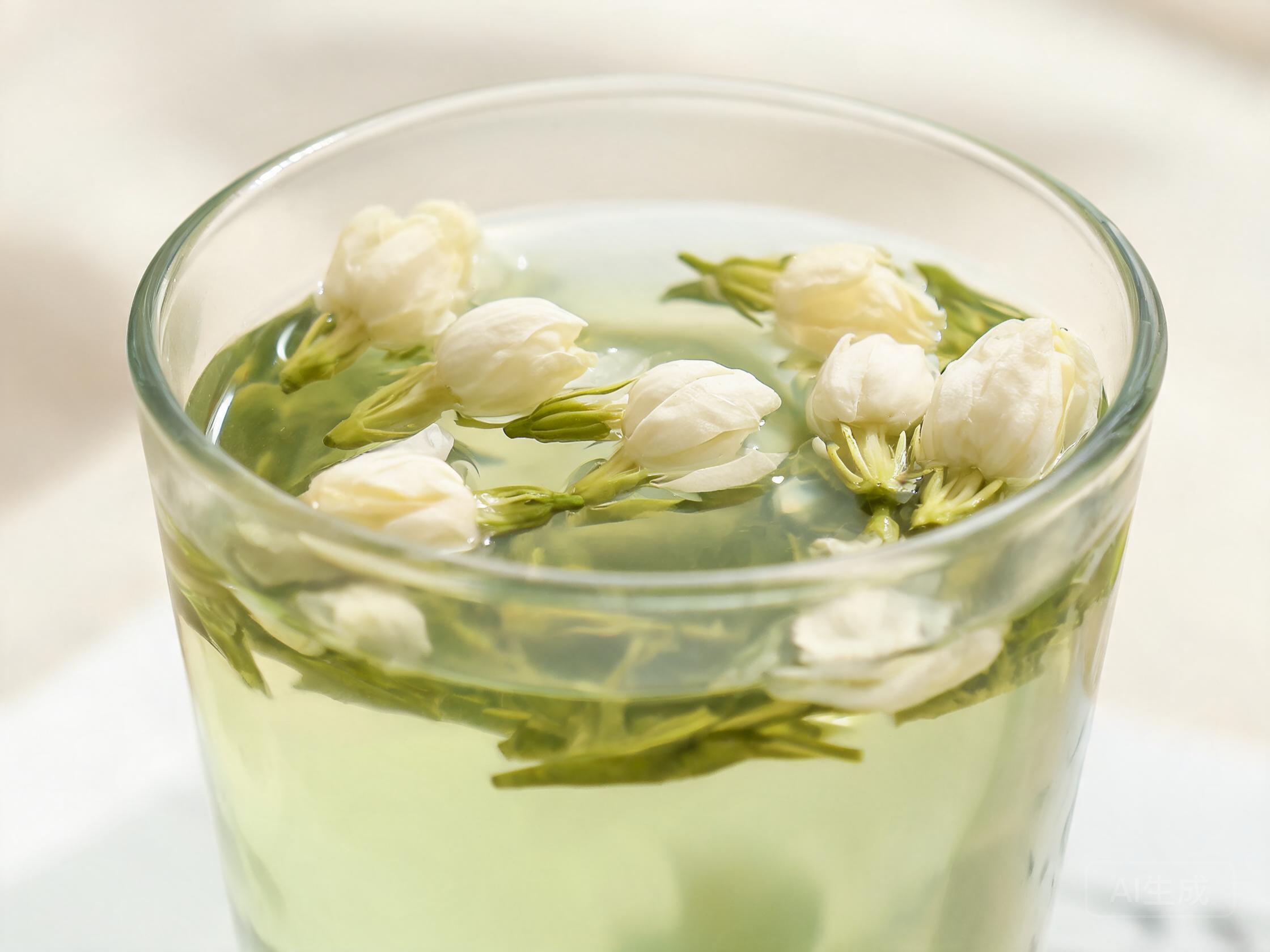
For scented tea, value sits in the number of scenting rounds. A 7 round jasmine costs more than a 3 round one and is worth it.
For compressed tea, value follows the same logic as dark tea: clean young cakes from known factories, not date claims.
The two halves share one thing: price and quality track each other in the honest parts of the market and stop doing so in the dishonest parts.
Scented tea is the cheaper of the two per cup, because 3 grams go further than you would expect.
Compressed tea is cheaper per session, because one dose runs ten steeps rather than three.
Treat the two as separate purchases with separate rules, because sharing a rule between them is how people overpay.
Compressed tea rewards patience more than spending. A young cake bought well and kept well beats an expensive one bought on a claim.
What is not worth the premium
The clearest waste of money in the scented half is an oil-scented tea sold at hand-scented prices.
You can detect it in one brew. If the aroma is gone by the 2nd steep, it was sprayed, and you paid too much.
Gift boxes are the second, and jasmine is very often sold in them at three times the loose price.
For the compressed half, everything that applies to dark tea applies here: no fake dates, no single mountain claims at low prices.
Compressed scented teas are the third. They are a real thing, but they are often priced as rare when they are not.
Flower petals added for appearance are the fourth. They look good in the packet and contribute nothing to the cup.
A jasmine sold with no stated number of rounds should be priced as a 1 or 2 round tea, because that is what it is.
Compare two jasmines from the same seller, at two price points, before deciding what the extra rounds are worth to you.
Spend on freshness
Freshness is the whole value question for the scented half, and it is the one buyers most often get wrong.
Scented tea fades. The aroma is at its best within about 6 months of scenting and noticeably weaker after a year.
Buy it in small quantities, from a seller with fast turnover, and finish it within 12 months.
For the compressed half the logic inverts again: young tea with clean storage is the value, and it improves.
Ask when a compressed tea was pressed rather than how old it is, and check for any sour or musty note.
The two halves need opposite shopping habits, which is the most useful thing to know about this category.
Store scented tea sealed and cold, and compressed tea at room temperature with some air. Mixing them up costs you both.
Buying loose scented tea also lets you see the leaf, which is the quickest way to separate a 7 round tea from a sprayed one.
Split the scented budget across two or three purchases a year rather than one, so the tea is always within 6 months of scenting.
A simple budget rule
Keep two separate budgets and never let them blur.
For scented tea, buy 50 grams at a time, often, and finish it. Anything larger is money spent on tea you will not enjoy.
For compressed tea, buy samples first, then whole cakes from a known factory.
Cap the first purchase from any seller at a level you can afford to lose, and raise it only after they have been right twice.
Compare the same jasmine from two sellers side by side. The difference in rounds is obvious once you taste them together.
The rule: small and fresh for the scented half, samples and known factories for the compressed half.
If you drink both halves, two small budgets beat one large one. You will waste less and taste more.
For the compressed half, sample three cakes before committing to one. The differences between factories are larger than within one.
Keep a running total for the year. Most people who buy both halves spend more on compressed tea than they meant to.