Black Tea
Black tea is fully oxidized, offering a rich, bold flavor profile with deep amber color and malty sweetness.
Black Tea Quick Facts
Sub-Categories
Explore specific topics within Black Tea
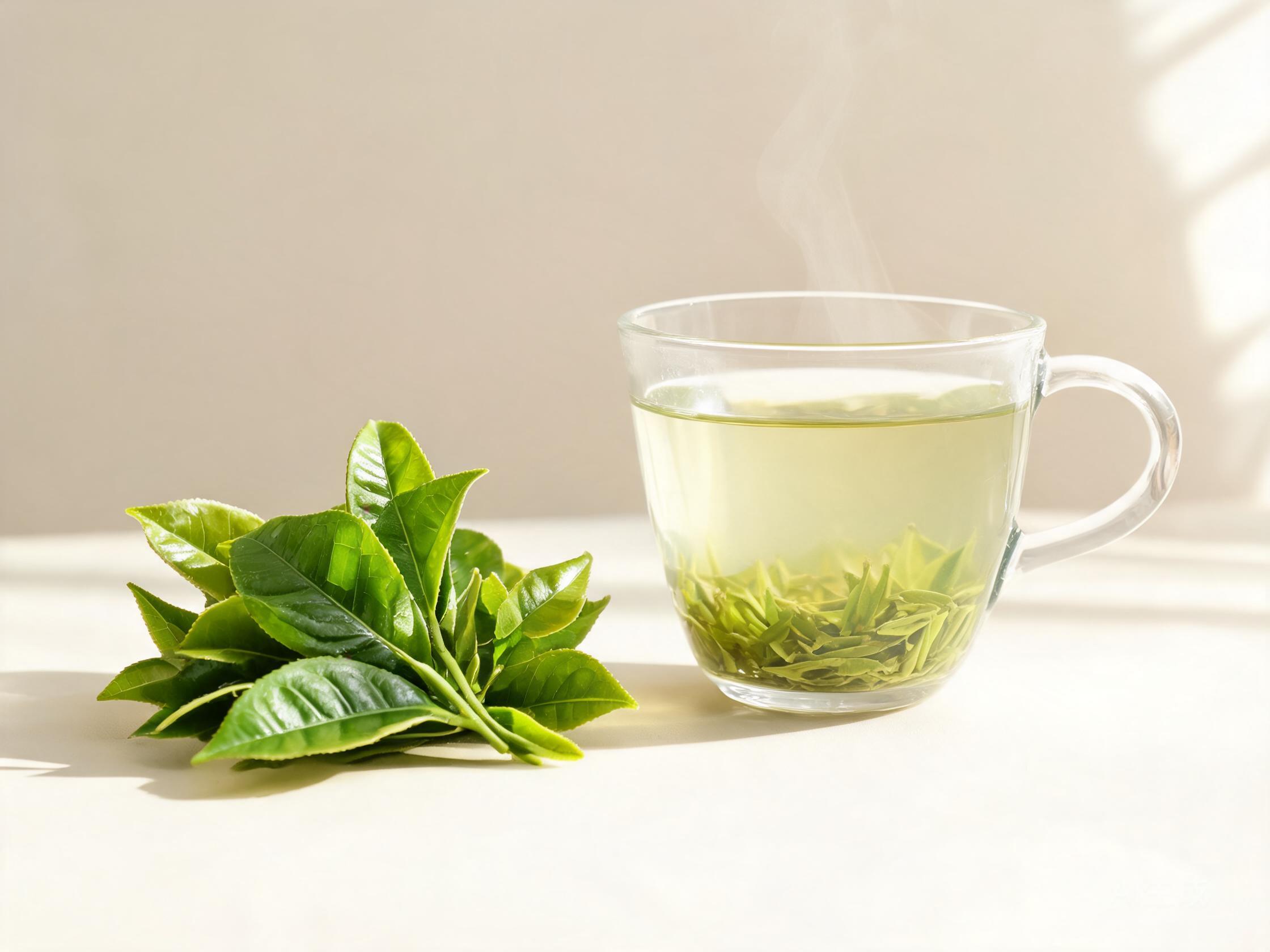
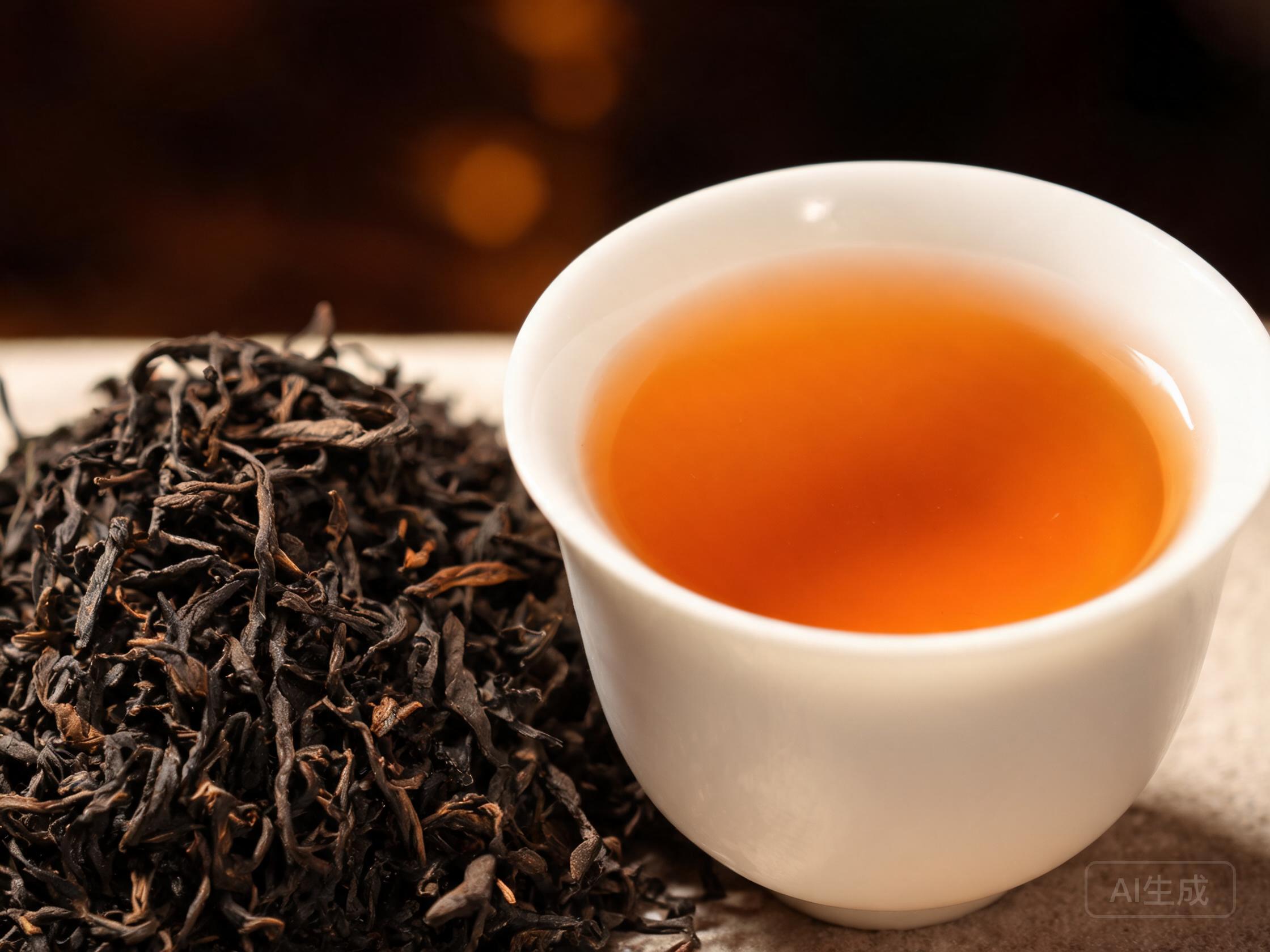
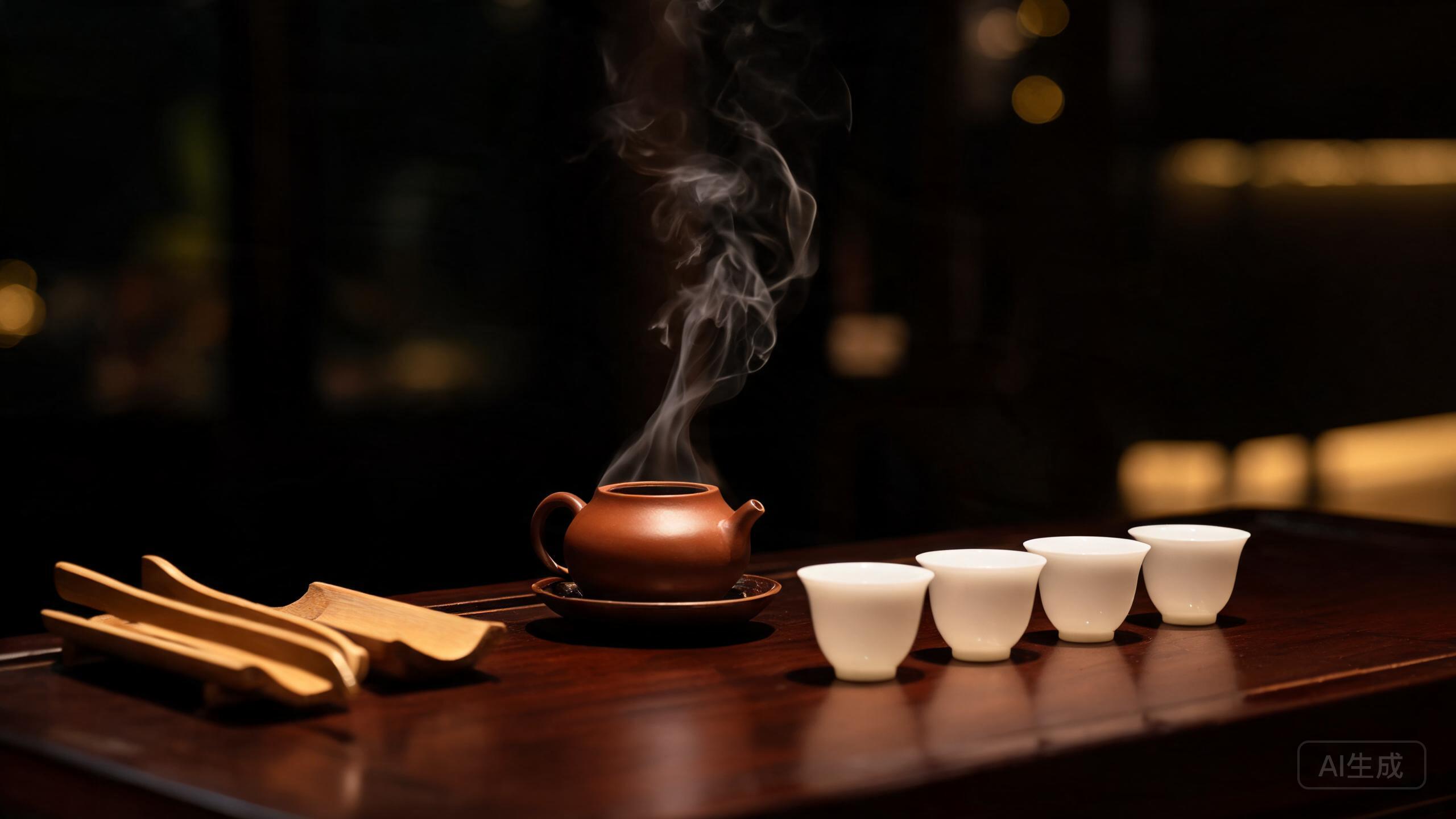
Black tea in English means the fully oxidized leaf. In Chinese it is called red tea (红茶, hóngchà) — named for the colour of the liquor rather than the leaf, which is why the two languages disagree. This encyclopedia uses the Chinese categories throughout, so you will see black teas filed under "red" in some listings. Both refer to the same family.
What makes it black
The process is the mirror image of green tea. Instead of stopping oxidation, the maker encourages it. Leaves are withered, rolled to break the cell walls, then left to sit while enzymes convert catechins into theaflavins and thearubigins. The leaf turns copper, then dark. Only at the end is it fired dry. That fermentation — a misnomer, since no microbe is involved — creates the malt, the fruit, the deep amber liquor, and the body that survives milk and sugar.
The Chinese red tea regions
Fujian is the oldest red tea district and holds two separate cores. Tongmu, the valley above Wuyi, is where Zhengshan Xiaozhong was first made — the smoked tea the category is built on. Zhenghe, better known for white tea, also produces a red tea exported under its own name. Anhui contributes Qimen (Keemun), grown on the northern edge of the tea belt, whose rose-and-cocoa profile made it famous in Britain. Yunnan contributes Dianhong, spread across Lincang, Pu'er and Baoshan at elevations above a thousand metres. Guangdong grows Yingde further south than any other Chinese district, and Sichuan, Hubei, Hunan, Jiangxi and Guizhou each have their own regional red tea — Chuanhong, Yihong, Huhong, Ninghong, Qianhong.
Chinese red tea versus the world
Most of the world's black tea comes from India, Sri Lanka, Kenya and Indonesia, picked from the assamica variety and often processed by CTC, which shreds the leaf into uniform pellets for teabags. Chinese red tea is almost entirely orthodox — whole-leaf, hand-rolled. The result is a softer, more aromatic cup and much less astringency. If your reference point is an English breakfast blend, Dianhong will surprise you with how sweet it is.
Grades and what to look for
Chinese red teas are graded loosely by leaf size and presence of golden tips (金毫 jīn háo) — the fine downy buds that carry the most aroma. Jin Jun Mei is built almost entirely from buds. Lower grades use larger leaf and give a drier, more woody cup. Look for a uniform leaf, a clean malt aroma, and a liquor that is bright amber rather than dull brown. Flatness or a sour edge usually means the leaf was stored badly.
Brewing
Red tea is forgiving. Water at 85–95°C, three to five grams to 150ml, steeped thirty seconds to two minutes. It takes milk well, though Gongfu preparation — short repeated infusions in a gaiwan — shows much more of the fruit and sweetness. Keemun and Dianhong both reward that approach.
This section is maintained by Encyclopedia Tea. Entries are added as gaps are filled.