Tea Brewing
Master the art of tea brewing with guides on water temperature, steeping times, gongfu ceremony, and brewing techniques for each tea type.
Brewing Guide Quick Reference
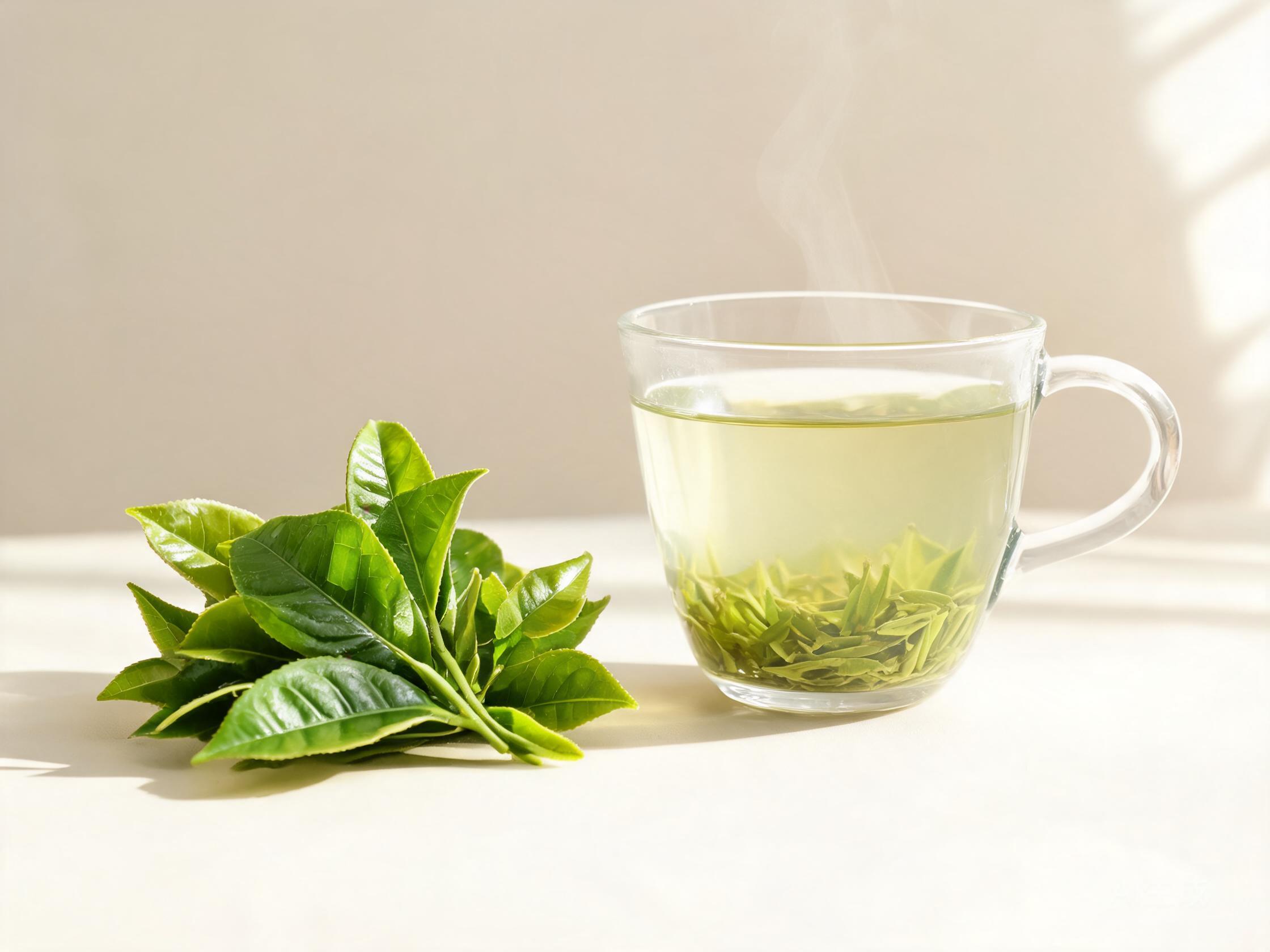
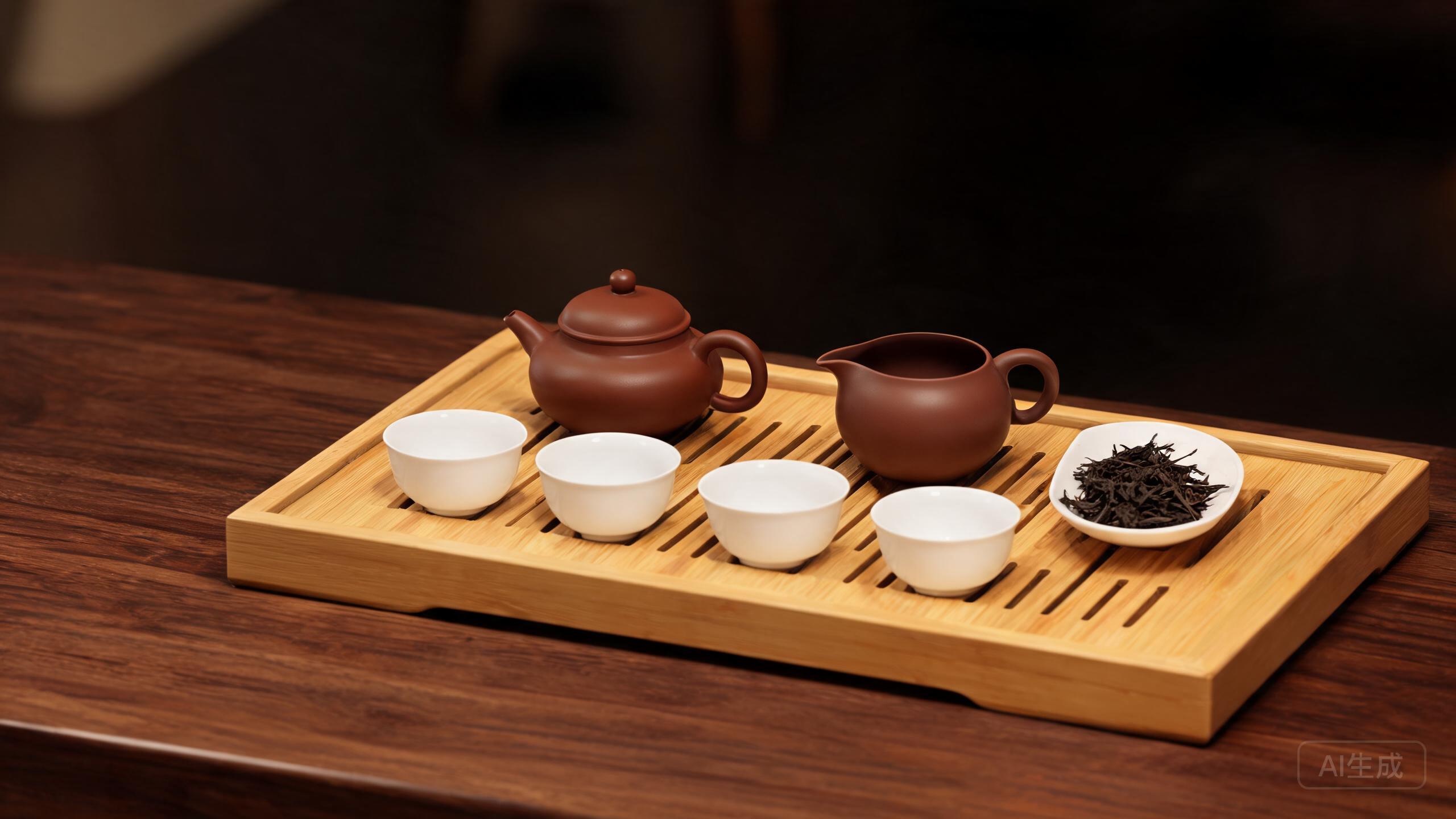

Chinese tea brewing is not one method. It is a set of techniques, each built for a different leaf, a different occasion, and a different idea of what the cup should be. The same Longjing is a different drink in a tall glass at the office and in a gaiwan at a tea table. This section covers all of them.
The variables that actually matter
Brewing comes down to four things: water temperature, leaf-to-water ratio, time, and vessel. Every method in this section is a different balance of those four.
- Temperature decides extraction. Green and yellow teas want 75–85°C; white tea sits in between; oolong, red and dark tea are brewed with water at or near boiling. Boiling water on a green tea scorches it and makes it bitter within twenty seconds.
- Ratio ranges from roughly 1 gram per 100ml in Western-style brewing to 5–8 grams per 100ml in Gongfu. Higher ratio, shorter time.
- Time is the only variable you adjust mid-session. First infusion sets the pace; later infusions lengthen.
- Vessel changes how the leaf behaves. A porous clay pot absorbs and gives back flavour over years, which is why a dedicated teapot for one tea is not superstition. Porcelain and glass are neutral and show the leaf honestly.
Three methods worth knowing
Grandpa style (泡茶法) is the simplest and the most common in China. Leaf goes into a tall glass, water is added, and you drink around the leaves as they sink, topping up as you go. Nothing is timed. It is how most Chinese people actually drink their green tea, and for a fresh Longjing it is often the best way.
Gaiwan (盖碗) — a lidded bowl — is the workhorse of serious tasting. Leaf in, water on, lid on, pour off within seconds. Because the leaf stays in contact with water only briefly, you get six, eight, ten cups from one portion, each slightly different. This is the default for oolong and for judging any tea you do not yet know.
Gongfu (工夫茶) is the formalized tea-table method of Fujian and Chaozhou. Small pots or gaiwans, high leaf ratio, repeated short infusions, everything poured into a shared pitcher before serving so that every cup is identical. The word gongfu means skill acquired through effort, not ceremony.
Water
Water is the ingredient people ignore. Chinese tea writing has argued for a thousand years that water quality decides the cup before the leaf does. Practically: use filtered or low-mineral water. Very hard water flattens aroma and dulls the liquor; heavily chlorinated tap water ruins it entirely. Soft bottled water is a reasonable compromise if you cannot test.
Vessels and storage
Yixing clay is porous and unglazed, so it absorbs flavour — dedicate one pot to one tea type and it improves over years. Porcelain is neutral and tells the truth. Glass is for watching the leaf, which is the whole point with green tea and silver needle. For storage, the rules are simple: airtight, dark, dry, and away from anything aromatic. Green tea goes in the fridge; pu-erh does not, because it is still changing.
Finding your settings
There is no universal recipe. The articles below give starting points by tea type and by method, but the first infusion tells you what to change: too bitter, drop the temperature or shorten the time; too thin, raise the leaf ratio. Two or three sessions will get you closer than any chart.
This section is maintained by Encyclopedia Tea. Entries are added as gaps are filled.