Its season
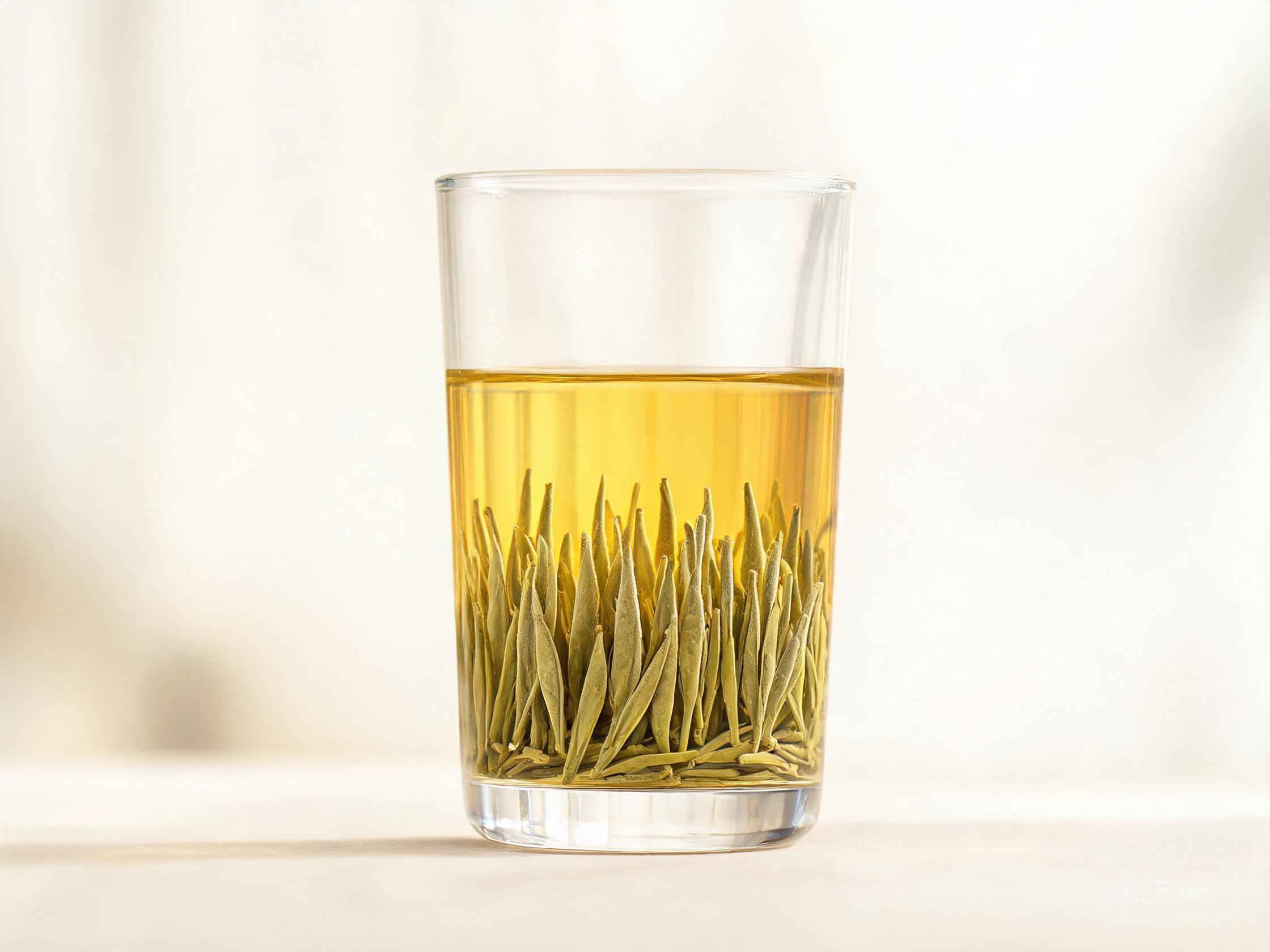
Yellow tea is a spring tea, and the window is narrower than for any other category.
Picking runs from late March to early May, the same window as the best greens.
Junshan Yinzhen(君山银针)is cut on the island in Dongting Lake in March and April.
Huoshan Huangya(霍山黄芽)follows a similar calendar in Anhui.
The men huang(闷黄)step adds days to the process, so the tea reaches the market later.
That means a spring picking is often sold into early summer.
By August the year’s production is mostly gone, and what remains is last year’s leaf.
Freshness matters here, because the sweet note fades faster than the colour suggests.
Stored at 5 °C and sealed, it will hold through to the following spring.
Stored in a warm room, the sweetness goes flat within 4 months.
Because volumes are small, most of what is sold outside China is at least one season old.
Buy it in spring, drink it by autumn, and treat anything older as a different tea.
The window is short because the category is small, not because the bush behaves differently.
Most producers make one picking a year and sell out of it quickly.
Why the season fits
The seasonal logic is the same as for green tea, with one difference.
Yellow tea is low in astringency, which makes it feel soft rather than sharp.
In warm weather that softness reads as refreshing rather than thin.
In cold weather it reads as bland, because there is no roast or body to hold it up.
Aroma is the second link, and the category smells of sweet corn and warm hay.
Those are late spring smells, and the match is more than cultural.
The men huang(闷黄)step breaks down some of the grassiness and leaves sweetness behind.
That sweetness is what makes it a spring and summer drink.
It is also what makes it the easiest category to serve to someone who dislikes green tea.
The weakness appears in winter, when the same softness becomes absence.
Aged yellow tea exists and behaves better in cold weather, though supply is tiny.
For most buyers the honest answer is that this is a warm weather tea.
That is also why it is priced the way it is.
Expect to pay more per gram than for almost any other spring tea.
Off-season
Yellow tea in winter is not forbidden, and it does need help.
Use 5 g in a 150 ml vessel rather than 3 g in a large mug.
Push the water to 90 °C, since 80 leaves the sweetness behind.
Steep longer, around 90 seconds, and expect 3 infusions rather than 5.
The extra extraction is what gives the cup enough weight to work in January.
Roast is not available in this category, because men huang(闷黄)is not roasting.
Age is available, and an aged yellow behaves like a light dark tea.
Simmering works here too, in the same way it does for aged white.
Serve it hot in small cups, and do not let it sit.
A yellow tea that has cooled to 40 °C tastes noticeably flatter.
If the cup disappoints in winter, check the dose before blaming the season.
Most winter failures with this category are underdosing rather than calendar.
A preheated vessel matters more here than it does for a green.
Warm the gaiwan with boiling water first, then pour that away.
Year-round note
Year round coverage is the weakest part of yellow tea, and pretending otherwise helps nobody.
The category has one main style, picked in spring and drunk through summer.
There is no roasted yellow and no heavily aged tradition with real supply behind it.
That makes yellow tea a seasonal purchase rather than a house tea.
If you want one tea for all 12 months, this is not it.
What it does offer is a specific window that no other category fills.
Late spring, when a green is too sharp and a white is too faint, is exactly yellow’s moment.
Buy 100 g in April and finish it by September.
Keep the rest of the year on a roasted oolong or a red.
Stored cold and sealed, the last of it will still be good in October.
Stored badly, it will not last past June.
Treat it as a season with a tea attached rather than a tea that survives every season.
There is nothing wrong with a seasonal tea, only with pretending otherwise.