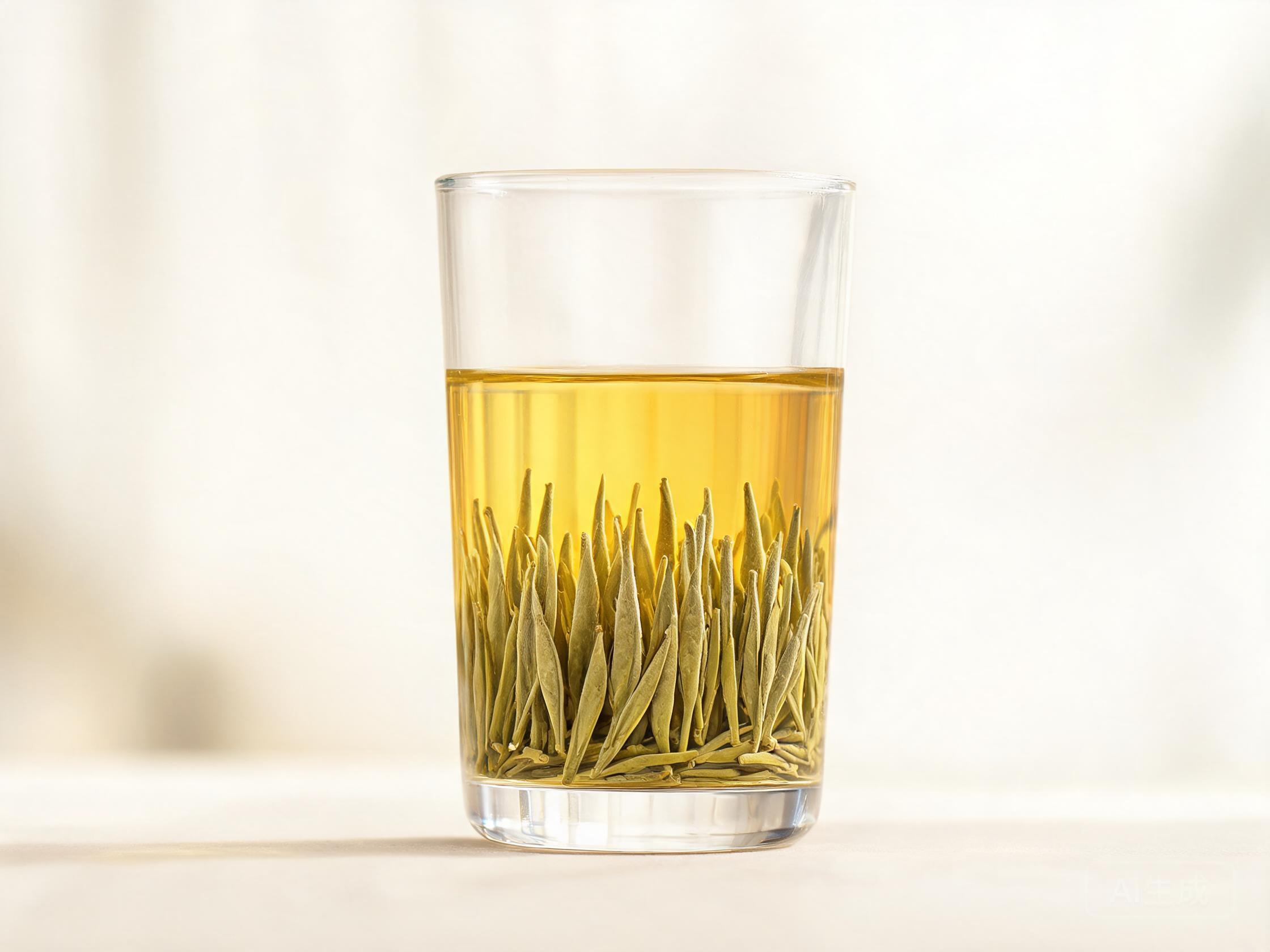
Best moments
Yellow tea suits occasions where someone is being introduced to Chinese tea.
It has the freshness of a green without the astringency, which is the usual objection.
A small tasting with 3 or 4 people is the ideal setting.
It is a spring and summer occasion, for the same reasons the tea is seasonal.
Afternoon is better than morning, since it is a soft tea rather than a waking one.
It works as a second cup after a green, when the palate is already engaged.
It is the right thing to pour for someone who found the last tea too sharp.
Price makes it an occasion by itself, and it should be treated as one.
Serve it deliberately rather than casually, because it will not be served again soon.
A single session with one pot is the right scale.
More than that and the leaf runs out before anyone has formed a view.
Say what it is before pouring, since almost nobody will recognise it.
It is a tea worth naming out loud, since most guests will never meet it twice.
Pour it for three people rather than ten, and the session will actually be remembered.
Less ideal moments
The off-times for yellow tea are mostly about scale and distraction.
A large table is the first, because volumes are small and the cost is real.
Serving 8 people a rare tea is generous and slightly wasteful.
A noisy occasion is the second, since the tea is quiet by nature.
Heavy food removes it, and so does anything with chilli in it.
A formal dinner is the wrong setting, where a red or a dark tea will do better.
Very hot weather suits it, and very cold weather does not.
A tasting where it follows a roasted oolong will waste it entirely.
Order it early in any line-up, right after the greens.
Any occasion where nobody is interested in the tea itself is the worst fit of all.
This is a tea to talk about, and silence is not the same as attention.
If the setting will not allow that, open something else.
Occasions built around strong opinions are a poor fit, because this tea asks for questions.
A hurried table will simply finish the pot without noticing what was in it.
Setting it up
Setting up a yellow tea is mostly about not losing the sweetness.
Use a small vessel, around 120 ml, and preheat it first.
Pour boiling water through the gaiwan, tip it out, and only then start.
Water at 85 °C is right for a young yellow, and 90 for an aged one.
Use 4 g of leaf rather than 3, since the flavour is soft rather than strong.
Steep for about 60 seconds on the first infusion and rather less after that.
Three infusions is a realistic session, and the third is usually the sweetest.
Small cups matter, because this tea cools quickly and loses aroma as it does.
Refill before the cup is empty rather than after.
Do not serve it in a mug, which is the fastest way to lose what you paid for.
Keep the session short and the attention high.
That is the whole craft of it.
Let the kettle rest for a minute before pouring, since water straight off the boil flattens the sweetness.
Keep the pours short and even, because this tea loses its middle if one steep runs long.
Food around it
Food around a yellow tea should be plain and slightly sweet.
A steamed bun, lightly sweetened, is the natural partner.
A plain biscuit does the same job with less ceremony.
Fresh pear in spring makes the occasion seasonal rather than generic.
Anything savoury should be mild: steamed egg, soft tofu, plain rice.
Soy sauce is too salty, and it will flatten the sweetness immediately.
Rich food is the wrong direction, since the tea has no weight to answer it.
Serve the food after the first cup so the tea is tasted alone first.
Keep the plate small, since this tea is not a table drink.
Two or three things is a plate, and eight is a distraction.
The specific pairings sit in the food notes for the category.
Here the point is that the plate should stay quieter than the cup.
Anything fried or heavily seasoned will take the sweetness out of the cup.
Serve the plate at room temperature, which keeps it from competing with a warm tea.