Where the value sits
White tea is unusual in that its best value and its worst value sit at opposite ends of the age scale.
Young white is cheap and good. A decent Silver Needle costs a fraction of what a comparable green costs, and it keeps better.
Aged white is expensive and risky. The premium is for storage you cannot verify, and that is where the fraud sits.
Value in young white sits with Shou Mei and Gong Mei rather than Silver Needle, because the price gap is large and the gap in the cup is smaller than it looks.
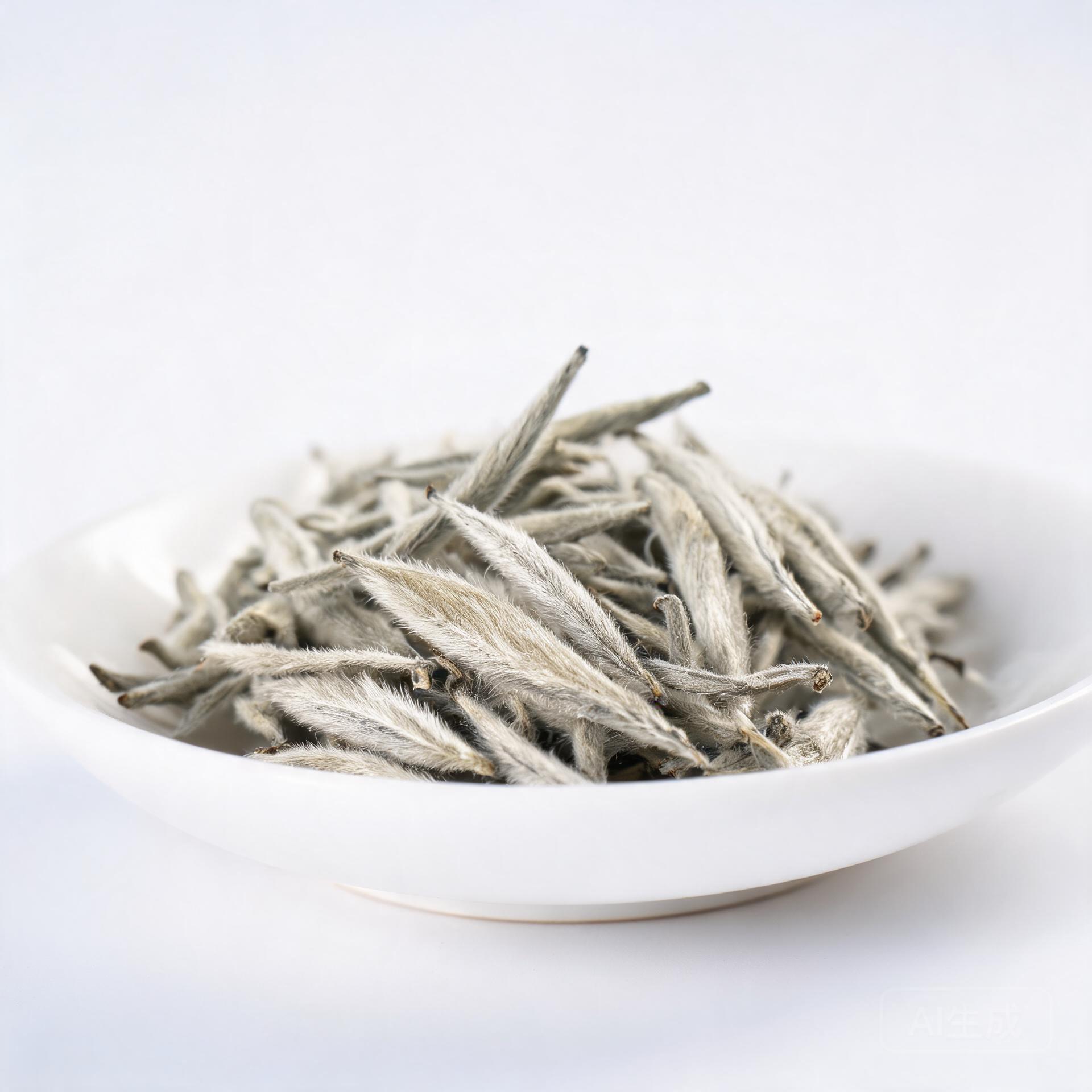
Silver Needle is worth it when it is fresh and from Fuding. Otherwise you are paying for buds that have lost their aroma.
The simple version: spend your money on young white tea, and be very careful with anything sold as aged.
Cakes are worth considering if you plan to keep the tea, because they age more evenly than loose leaf in a bag.
Cakes also take up less space than the same weight of loose leaf, which matters if you plan to keep several years’ worth.
What is not worth the premium
The clearest waste of money in white tea is a young cake sold as aged.
A cake pressed in 2020 and sold as a 2010 cake is worth the 2020 price, and the difference is often several hundred per cent.
Gift boxes are the second. White tea is often sold in elaborate packaging at three times the price of the same leaf loose.
Very old loose white is the third. Loose leaf cannot be traced, and the age claim rests entirely on the seller’s word.
Silver Needle from an unnamed origin is the fourth. Fuding leaf costs more, and that is the reason unnamed leaf is cheaper.
Certificates of authenticity are the fifth, and they are printed alongside the wrappers they are meant to verify.
Silver Needle sold loose from bulk bins is worth avoiding too. Light and air are exactly what the buds cannot take.
Buy from a shop that decants from a sealed bulk pack rather than one displaying leaf in an open bowl.
Spend on freshness
Freshness matters less for white tea than for green, and more than most buyers assume.
Young white is best within about 2 years of picking. It does not go off, but the melon and honey notes fade.
That argues for buying young white in small quantities and often, in the same way you would buy green tea.
For aged white the calculation is different. You are paying for storage, so buy from someone who did the storing.
A seller who has held a cake for 7 years and can describe the conditions is worth the premium. A reseller is not.
If the price is low for the stated age, assume the age is wrong rather than that you have found a bargain.
Once a pack is open, store it sealed and away from anything with a smell, and it holds for another year.
A cake opened and rewrapped properly will keep for years. One left unwrapped will not, and that is on you rather than the seller.
A simple budget rule
Spend on young white for drinking and on traceable aged white for collecting, and never mix the two budgets.
For drinking, 100 grams of a good Shou Mei costs less than 50 grams of a middling Silver Needle and lasts longer.
For collecting, buy whole cakes with a known pressing year, from a seller with a storage history.
Cap any first purchase at a level you would not mind losing. The category has more bad aged tea in it than good.
Buy one cake a year rather than several at once, so you can compare vintages and learn what good storage tastes like.
Young and cheap to drink, old and traceable to keep, and never pay a premium for a story.
If you drink white tea daily, a cake a year plus a small bag of Silver Needle for spring is a sensible pattern.
Budget for one good cake a year and 200 grams of young white for drinking. That is a realistic pattern and it is not expensive.