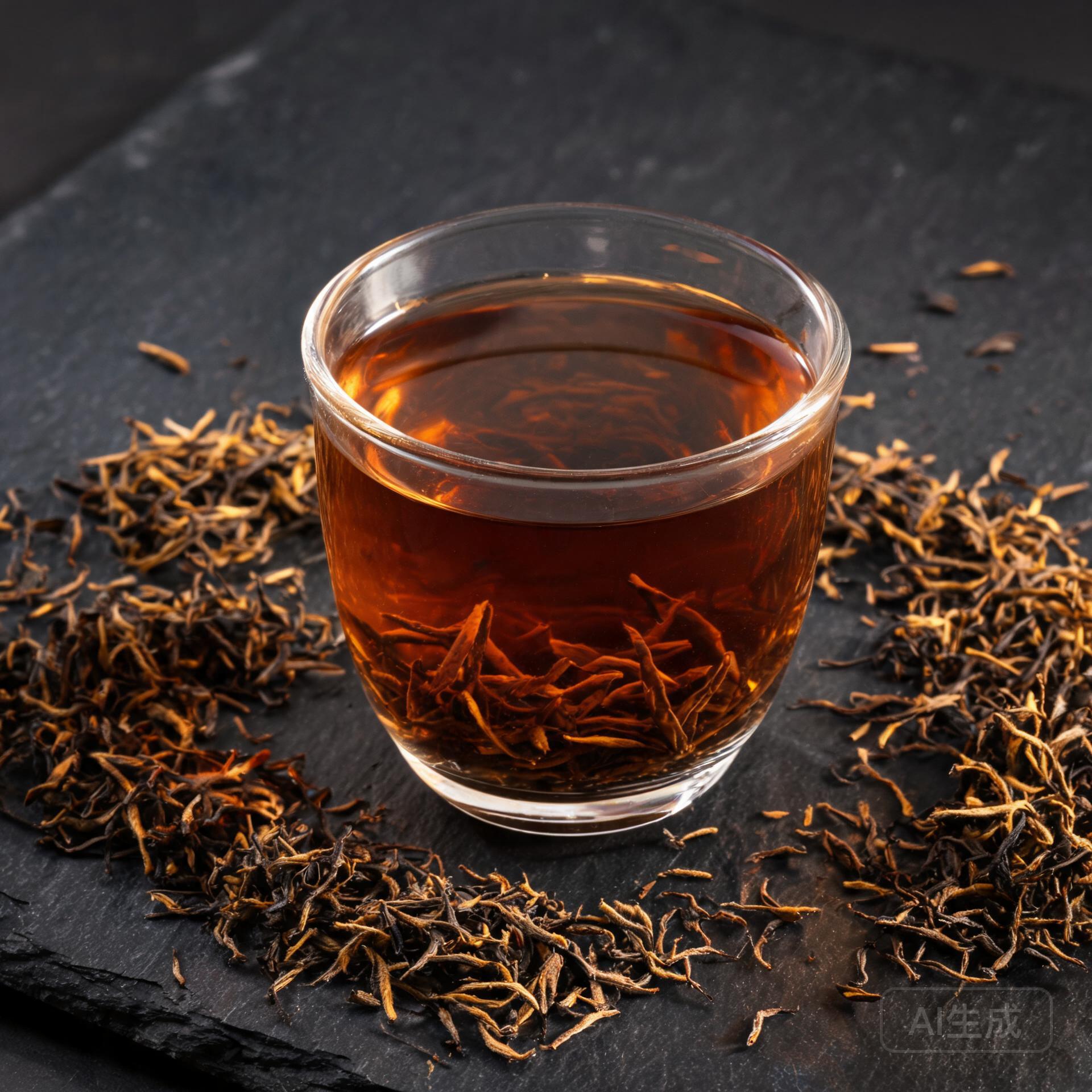
Where the value sits
Red tea offers the best value of any category in volume terms, and the worst value at the top end.
A decent everyday red tea costs very little, and it is perfectly good tea. The gap between it and a famous single origin is real but smaller than the price suggests.
Value sits in two places: whole leaf from a named province, and honest broken grades for everyday drinking.
What sits between them, mid priced tea with a famous name and no origin, is where most buyers lose money.
The category is traded in huge volumes, which means the leaf itself is cheap and the premium is nearly all in the name.
Knowing that changes how you shop: pay for the leaf and the storage, not for the label.
The cheap end of the category is genuinely good, and that is unusual. A breakfast blend made from decent leaf is not a compromise.
The blend is also more consistent than a single origin, which is worth something if you drink the same tea every morning.
What is not worth the premium
The clearest waste of money in red tea is paying single garden prices for an unnamed blend.
Darjeeling is the worst offender. The name carries a large premium, and most tea sold under it is not from the region.
Gift tins are the second, and they are everywhere. A decorated tin can triple the price of the same leaf sold loose.
Very high grades such as SFTGFOP are the third. The grading is about leaf size and appearance, not about how the tea tastes.
Flavoured red teas are the fourth. They are made from the cheapest leaf, because the flavouring covers it entirely.
Vintage or aged red tea is the fifth. Red tea does not improve with age, and there is no reason to pay for it.
Anything sold as a rare or limited harvest is worth treating with suspicion at this volume of production.
A named garden should cost noticeably more than an unnamed one. If the difference is small, the named one probably is not.
Spend on freshness
Freshness matters more for red tea than its reputation suggests, and it is cheap to buy for.
Red tea keeps better than green, but it goes flat after about 2 years and the sweetness goes with it.
Buy from a seller with fast turnover, and check that the pack carries a packing date rather than only a best before.
Whole leaf keeps its aroma longer than broken grades, which is one argument for paying slightly more.
If you take it with milk, freshness matters less, because milk covers a lot. If you drink it black, it matters a great deal.
Six months’ supply bought twice a year is better value than 2 years’ supply bought once.
Keep what you buy in a tin rather than the bag it arrived in. It costs nothing and adds months to the tea.
Avoid any shop where the tea sits in direct sun. Light is the cheapest thing for a seller to control and the most often ignored.
A simple budget rule
Split the budget into an everyday tea and a good one, and do not try to make one tea serve both.
For everyday, buy a broken grade or a blend by the 250 gram bag. It is cheap, consistent, and it takes milk.
For drinking black, buy 100 grams of a named single origin at a time and finish it within 6 months.
Cap a first purchase from a new seller at a low figure. Red tea is the easiest category in which to be quietly overcharged.
Compare the same tea from two sellers before you commit. The price difference for identical leaf is often large.
The rule: cheap and fresh for the daily cup, named and small for the one you actually taste.
If you drink red tea daily, 500 grams of a house blend plus 100 gram purchases of single origins is a sensible split.
Budget for 500 grams of everyday tea and 300 grams of single origins a year, bought in three or four batches rather than one.
Note the price per gram on the bag when it arrives. Over a year of purchases that number tells you more than any tasting note.