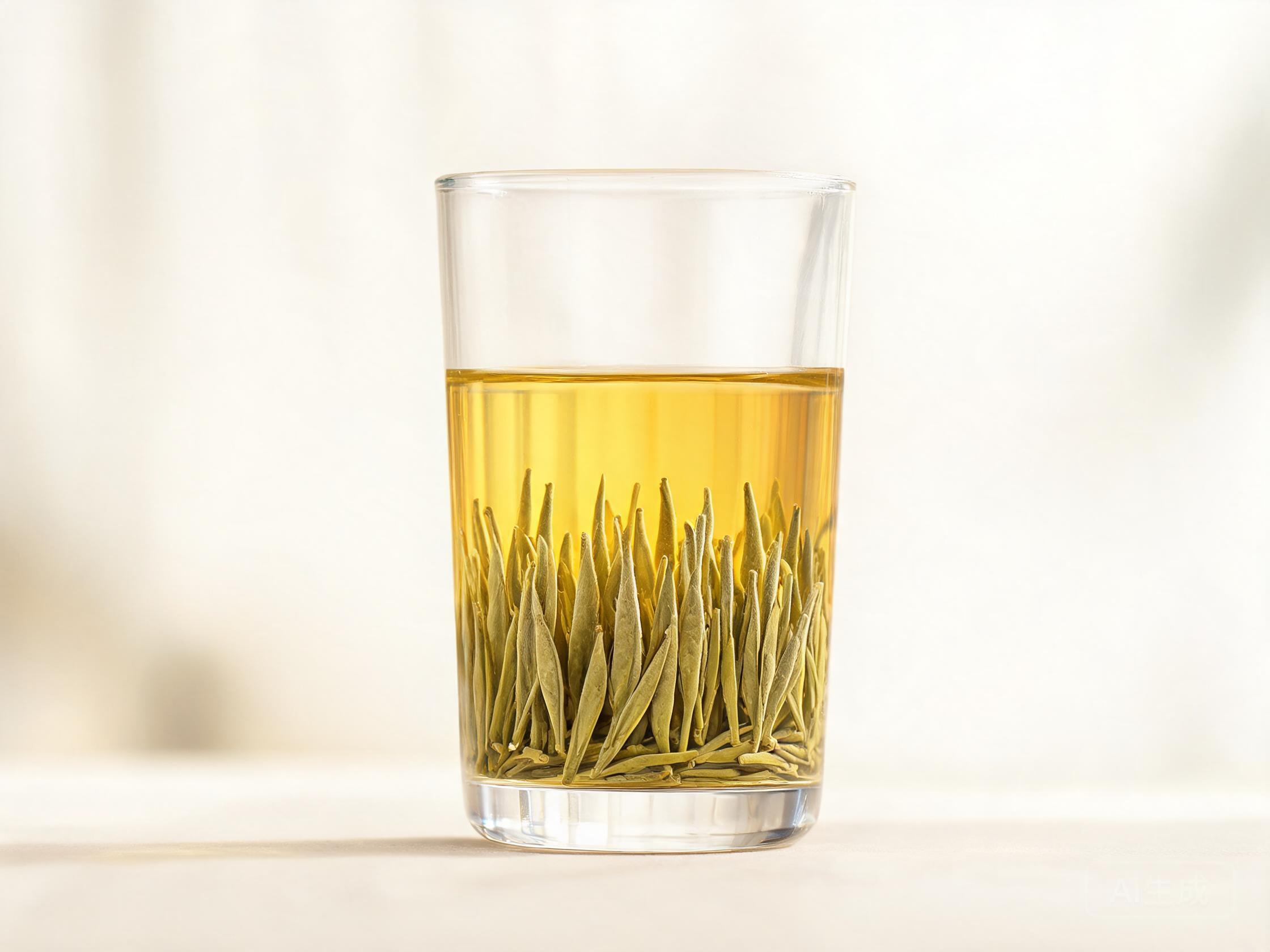
What impresses in Yellow tea
Yellow tea is the most impressive gift in tea by reputation, and the easiest one to get wrong in practice.
It is scarce, expensive, and made by a step almost nobody has heard of, which makes it a good story as well as a good cup.
What impresses is the name and the rarity, so buy a named tea: Junshan Yinzhen or Huoshan Huangya rather than a generic yellow.
The piling step is worth mentioning when you give it. It is what makes the tea yellow, and almost nobody has heard of it.
Buy 50 grams. It is a small amount, but this is the most expensive tea per gram in the shop and the recipient will know it.
The pale yellow colour of the leaf is unusual enough to be the talking point on its own.
Origin carries weight here, because production is small and the names are specific. Ask the seller for the garden.
Give it to someone who already drinks green tea. They are the only people who will notice what makes it different.
What impresses most is that you knew to buy it. Yellow tea is the category most buyers have never tried.
Packaging that works
Treat yellow tea exactly like a green tea when you package it: sealed, opaque and cold if you can manage it.
A small sealed pouch inside a box is the right answer, and the box does the work of making it look like a present.
Do not give it in a decorative tin without a seal. It fades faster than almost any other tea you could give.
Label it with the garden and the picking date, and say that it should be drunk within the year.
Include a brewing note at 80 to 85 degrees. Yellow tea brewed too hot turns bitter and the gift is wasted.
Keep it away from heat and light in transit, which is a real risk if you are posting it in summer.
Use a rigid box, because the leaf is brittle and crushes easily.
Two 25 gram pouches from different producers make a more interesting gift than one 50 gram bag.
Say plainly on the note that it is for drinking now. Nobody should be keeping yellow tea for a special occasion.
Matching the occasion
For a tea enthusiast, yellow tea is the best gift you can give, because it is the category they have probably not explored.
For a newcomer it is a poor choice. They will not notice the difference from a good green tea and you will have overpaid.
For a host, give it only if they drink green tea, and be ready to explain what it is.
For a colleague, 25 grams is enough, and it still looks like an expensive gift at that size.
For a formal occasion, Junshan Yinzhen has the stronger reputation and is the safer name to give.
For someone who drinks green tea daily, this is the natural and genuinely interesting gift.
For a milestone, buy two producers of the same tea and let them compare. That beats a larger quantity of one.
Avoid giving it to someone who keeps tea for years, because it will not improve and they will hold it anyway.
If you are unsure, buy a good Longjing instead. It is a third of the price and a more reliable pleasure.
What to avoid
Do not buy yellow tea from a general gift shop. In that setting it is usually green tea with a different label.
Avoid gift tins with no picking date, which is most of them in this category.
Avoid anything sold as aged yellow tea. There is no tradition of it and no market for it.
Do not give it in large quantities. It fades within a year, and 200 grams is a gift of a problem.
Avoid the cheapest yellow tea you can find, because at the bottom of this category the leaf was never piled at all.
Do not give it to someone who brews everything with boiling water unless the note says so loudly.
Avoid samplers that include a little yellow tea among six others. Twenty grams is not enough to understand it.
Do not overspend. Past a certain point the price buys rarity rather than a better cup, and the cup is the gift.
The main thing to avoid is giving it late in the year. Buy spring pickings and give them within a few months.