Two different purchases
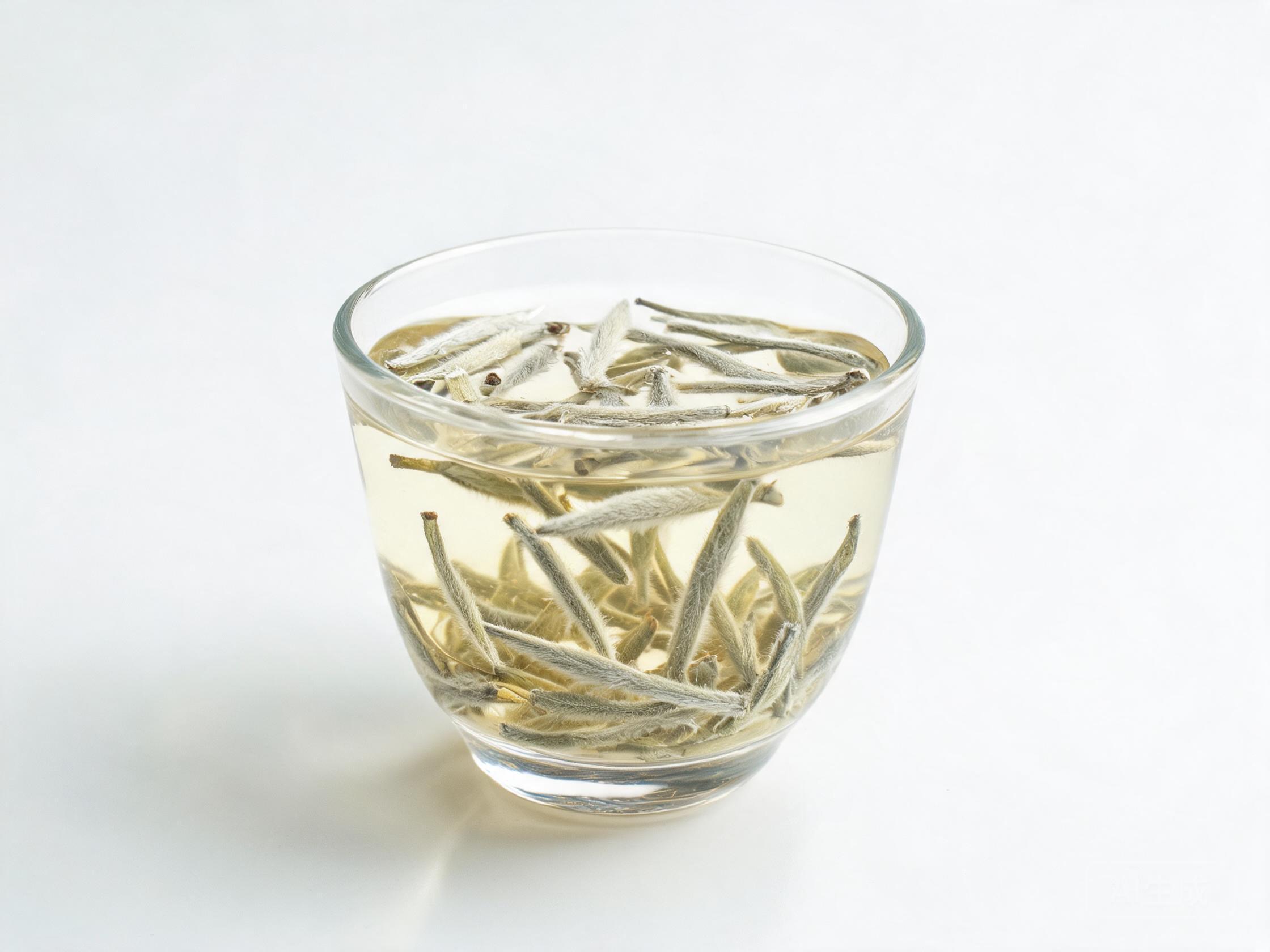
White tea is the clearest case in tea of two genuinely different products sharing one name.
Fresh white is light, sweet and floral, and it is at its best within a year or two of picking.
Aged white is darker, thicker and closer to a light dark tea, and it is worth real money after about seven years.
Both are legitimate, and a buyer who wants one and gets the other will think the tea is bad when it is simply the wrong one.
The grade matters here too. Shou Mei ages best and costs least, which makes it the natural choice for the shelf.
Silver Needle is the opposite: expensive, delicate, and at its best young. Ageing it is usually a waste of a good tea.
So the split is not only between drinking and keeping. It is also about which grade goes into which pile.
Work out which of the two you were actually sold, because they are described in almost identical language and priced on different logic.
For daily drinking
Buy fresh White Peony or Silver Needle, 50 to 100 grams at a time, and drink it within the year.
Brew it at around 85 degrees rather than boiling. White tea scorches easily, and most bad cups of white tea are brewed too hot.
For a daily cup, White Peony is better value than Silver Needle. It has more body and costs roughly half as much.
Shou Mei is cheaper again and makes an excellent everyday tea, especially brewed long or boiled the way it is drunk in Guangdong.
Keep it sealed and away from light and strong smells. White tea is absorbent, and a cupboard next to the stove will ruin it.
Buy from a seller who can name the picking season. White tea sold without one is usually older than it looks.
Do not keep a large stock. Fresh white is a seasonal drink, and next spring’s picking will beat this year’s held over.
Brew Shou Mei harder than the other grades. It takes boiling water and a long steep, and it is the one white tea that improves with rough treatment.
For collecting
Buy Shou Mei, buy it pressed, and buy a cake you can afford to forget about for five years.
Pressed white ages more predictably than loose, and a cake gives you an interior to check when you finally open it.
Pressed white as a format only became common around 2010, so treat any age claim older than that with suspicion on the face of it.
Storage wants a stable humidity around 60 per cent and no strong smells. A spare room beats a kitchen, and a kitchen beats a garage.
Buy three cakes of the same tea rather than one. You open the first at five years, and the others tell you what to do next.
Keep the wrapper and note the pressing year. Without those two things the cake has no story, and the story is most of its value.
Silver Needle can be aged and people do it, but the result is subtle and the starting cost is high. Shou Mei gives a clearer answer for a tenth of the money.
How to split your budget
A 70 and 30 split towards drinking works for most people, because white tea ages slowly and the payoff is a long way off.
If you drink white tea a few times a week, 300 grams a year of fresh White Peony covers the daily side.
On the ageing side, two or three cakes a year is plenty. More than that and you are running a warehouse rather than a cupboard.
Buy the ageing cakes from one producer for the first few years. Comparing your own storage across years is more useful than comparing producers.
Open one cake at three years and one at seven. Those two data points tell you more than any guide, including this one.
Do not count any of it as an investment. White tea prices move, and most of what you cellar will end up being drunk by you.
If you never open any of it, stop buying. That is the signal that you are collecting the idea of tea rather than drinking it.
Set a date to open each cake and write it on the wrapper. Without one, every cake stays sealed until it is past being interesting.