What impresses in White tea
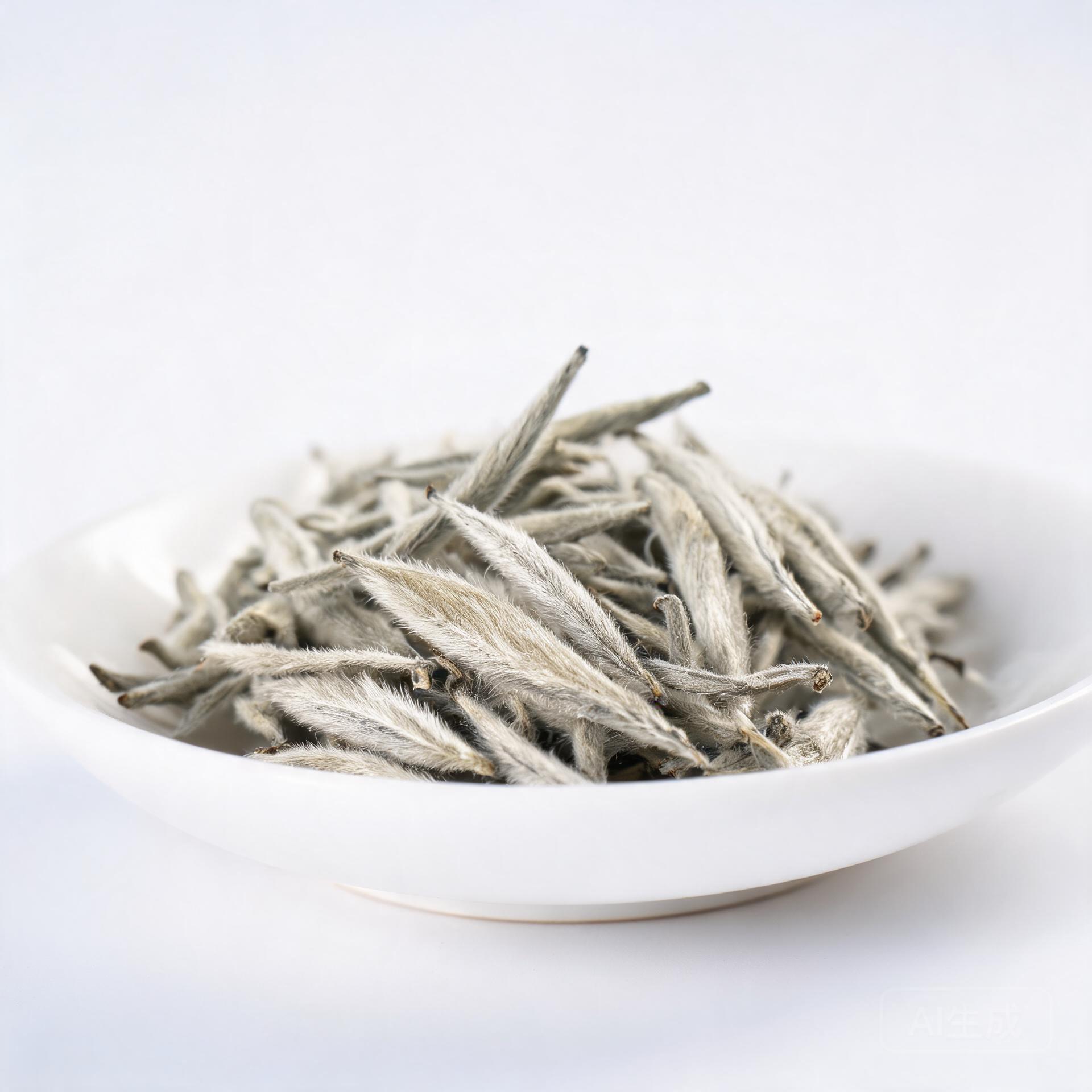
White tea is an easy gift because it looks like nothing else. Silver Needle buds are pale, downy and obviously something special.
It is also one of the few categories where age is a legitimate selling point, which gives the gift a story that is actually true.
For a general gift, fresh White Peony is the better choice. It costs less than Silver Needle and it is more forgiving to brew.
Silver Needle is the showier option, and it is worth the money if the recipient drinks tea regularly.
Aged white sold as a small cake is the gift for someone who already has a cupboard. It looks unusual and it keeps.
Buy 50 grams. White tea is light and bulky, and 50 grams fills a box convincingly.
The down on the buds is the thing to point at. It is visible, it is unusual, and it is a genuine marker of quality.
Origin adds weight here. Fuding is the name that matters, and a seller who can say it is worth buying from.
What impresses is the combination of something that looks delicate and brews easily, which is exactly what white tea is.
At 3 grams a cup, 50 grams is roughly 16 cups, which is two to three weeks of daily drinking.
Packaging that works
The leaf is absorbent and light-sensitive, so a sealed opaque pouch is the right default.
Cakes are the exception. A pressed cake in its wrapper travels well and looks like an object rather than a bag of leaf.
If you give a cake, include a note about how to break it, because most people will not know where to start.
Label the grade and the year. White tea without a year is a tea with no story, and the story is half the gift.
Give brewing instructions at around 85 degrees. Boiling water is the commonest way to ruin a gift of white tea.
Avoid clear packaging. Light flattens white tea faster than almost anything else you could do to it.
Keep it away from spices and coffee in transit, because it will pick up both.
Use a rigid box if you are posting a cake, because they break in transit more often than you would expect.
For a loose gift, a sealed pouch inside a plain box beats any decorative tin without a seal.
Matching the occasion
For a newcomer, fresh White Peony is the safest thing you can give. It is mild, sweet and hard to overbrew.
For an enthusiast, an aged Shou Mei cake with a pressing year is the more interesting choice.
For a host, give loose Silver Needle. It looks beautiful in a glass and it makes an impression on a table.
For a colleague, 50 grams of White Peony in a plain box is enough, and it does not feel like an obligation.
For a wedding or a formal gift, a pressed cake is the right format. It keeps, and it looks like something worth keeping.
For someone who drinks green tea, white tea is the natural next step and a good gift for that reason.
A collector should get aged tea, and it must come with a storage history, or it is just a claim on a wrapper.
Avoid giving a very young cake to someone who wants to drink it now. Pressed white needs years before it is interesting.
If in doubt, give fresh and loose. It is the version most people will actually enjoy this year.
A cake pressed in 2019 is six years old now, which is still young for white tea, and worth saying when you give it.
What to avoid
Any white tea with no year on the packet is the wrong gift. In this category the year is much of what you are giving.
Avoid anything sold as aged white at a low price. Damp-stored young tea is common and it tastes sour.
Avoid flavoured white tea and white tea blended with fruit. The whole point of the category is delicacy.
A large cake is a burden to anyone with nowhere to store it. It will sit in a kitchen and go flat.
Avoid gift sets that mix white tea with several other categories. They are samplers in disguise and rarely good ones.
Silver Needle is wasted on anyone who brews everything with boiling water. It scorches, and they will blame the tea.
Avoid loose white tea sold from an open bin, because it has been exposed to light and air for months.
Do not overspend on a famous year you cannot verify. A modest cake with a known history is the better gift.
The thing to avoid above all is white tea stored next to something with a smell, which happens constantly in shops.