The trap to know
The trap with white tea is age, and it runs in both directions. New white tea is sold as aged, and genuinely aged white tea is sold as something it is not.
Aged white is worth real money after about 7 years, and it tastes completely different from the fresh version. That gap is where the fraud sits.
The usual version is a young tea stored hot and humid to darken it. The leaf looks older than it is, and the cup is flat and slightly sour.
This matters because white tea is one of the few categories where ageing genuinely improves the tea, so age claims carry real weight.
The question to ask is not how old it is, but where it was stored and by whom.
A cake with no storage history is worth what a young cake is worth, whatever the seller says about the year.
The second version runs the other way: a genuinely aged cake sold to someone who wanted fresh white tea, then brewed at 85 degrees and written off.
Neither mistake is the tea’s fault. Both come from not knowing which of the two drinks you were actually buying.
Check the grade claim
Silver Needle, White Peony and Shou Mei are the three grades worth knowing, and they are different teas rather than quality tiers.
Silver Needle is buds only. White Peony is buds and leaf. Shou Mei is larger leaf with stems, picked later in the season.
Most of the confusion comes from sellers presenting Shou Mei as a lesser Silver Needle. It is not lesser, it is different, and it ages differently.
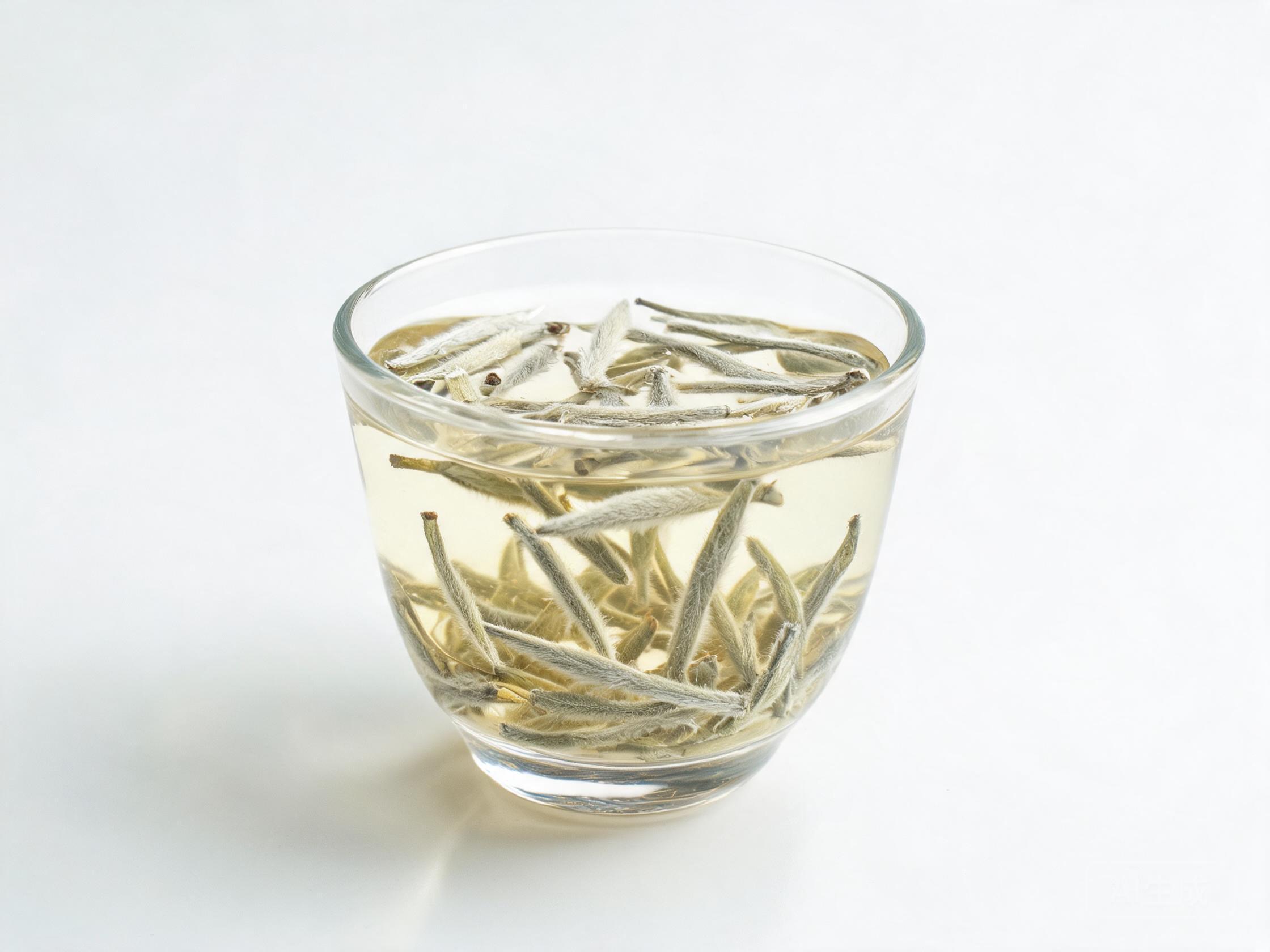
For Silver Needle, check the down. The buds should be covered in fine white hair and be roughly the same size.
Origin matters more here than people expect. Fuding in Fujian is the reference, and leaf from elsewhere is often sold under that name.
If a listing says Silver Needle and the price is close to Shou Mei, it is almost certainly not Silver Needle.
Pressed white tea is a relatively recent development, and cakes younger than about 2010 are not old in any meaningful sense.
Loose aged white exists too, and it is easier to fake, because there is no cake to open and check for a consistent interior.
Smell before you pay
Smell separates young white from aged white faster than anything else, and it separates both from a fake. Three years is roughly where the character starts to shift, and 7 is where it is unmistakable.
Young Silver Needle smells of melon, hay and honey. It should be sweet and light, with no sour edge.
Aged white smells of dates and dried fruit, sometimes with a faint medicinal note. It should be warm and sweet.
A tea stored badly to fake age smells sour, musty, or of damp cardboard. None of those improve with brewing.
If it smells of nothing at all, the tea has been sitting too long in the wrong conditions, and it will taste the way it smells.
Ask to see the cake broken. The interior should match the exterior, and a dark outside with a pale middle means the ageing was done on the surface only.
Taste confirms what smell suggests. Young white is light and sweet, aged white is thick and dark, and a fake is thin with a sour finish.
If a cake tastes muddy rather than sweet, the storage was wrong. Age does not produce muddiness, humidity does.
Trust storage over label
Storage is everything with white tea, because this is the one category where the tea is supposed to change in the bag.
The right conditions are around 25 degrees and below 60 percent humidity, sealed from light and from smells.
Too humid and it goes sour or moulds. Too dry and it simply stops changing, which is a slower failure but just as disappointing.
A wet stored cake is the most common problem, and it is often sold as aged. It is not aged, it is spoiled.
Buy from a seller who holds their own stock rather than one who buys in and sells on. They can tell you what happened to the cake.
And buy the cake, not the story. A good young white you drink now beats a suspicious old one every time.
Do not store white tea in the kitchen. Cooking smells and steam are the two things that ruin it fastest.
Buy whole cakes rather than loose samples where you can. A whole cake has a history and a broken sample does not.