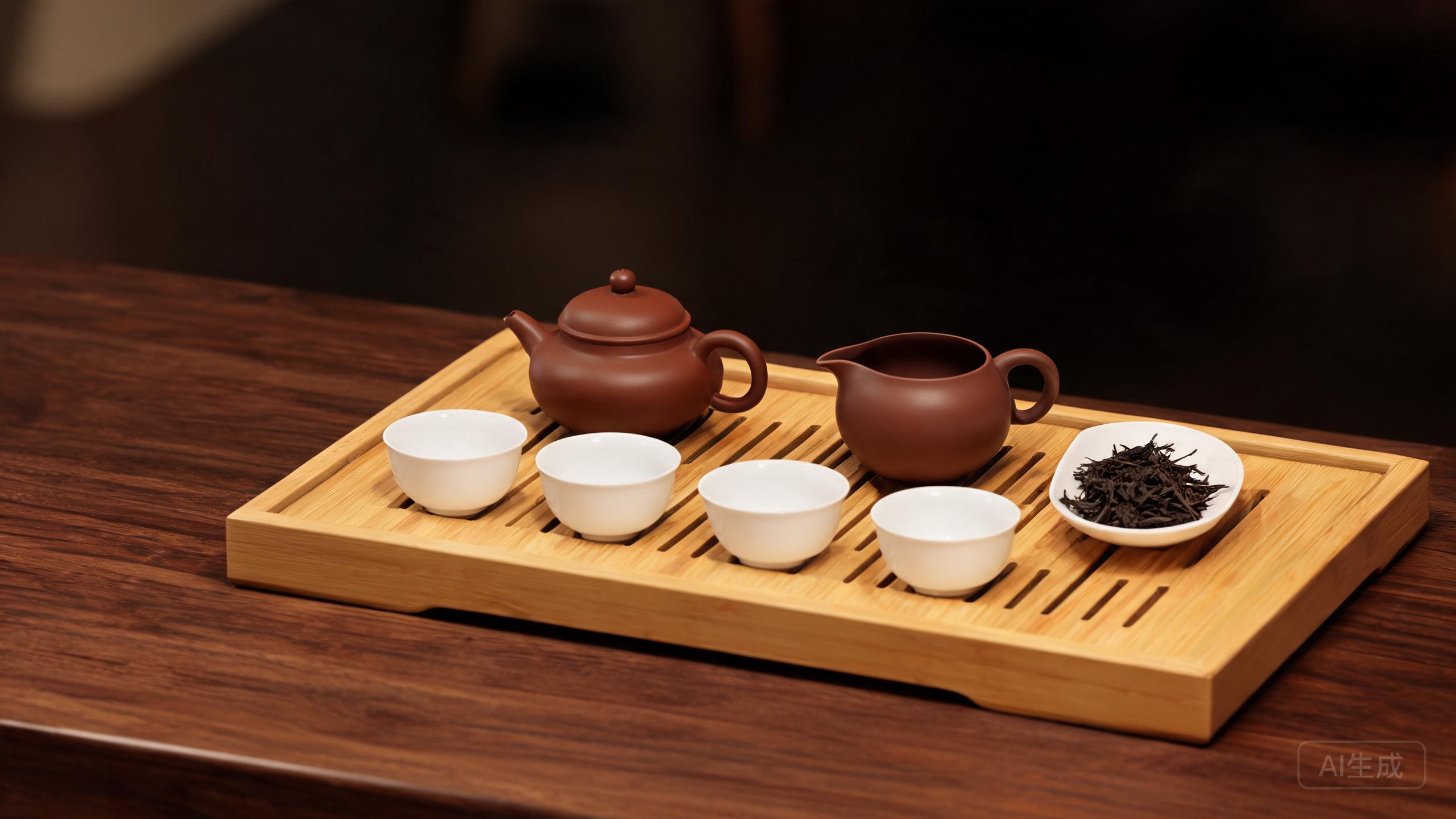
Why White tea goes wrong
White tea goes wrong for a reason most people never consider. The category covers two drinks that want opposite treatment, and the packaging rarely tells you which one you have.
Young white, above all Silver Needle, is minimally processed and delicate. It wants 80 to 85 degrees and a light touch.
Aged white has been stored for years and is often pressed into cakes. It wants boiling water and long steeps, and it behaves far more like dark tea than like green.
Brew a young white like an aged one and you scald it. Brew an aged white like a young one and it never opens.
Both mistakes come from the same source, which is treating white tea as one thing.
Storage age is the dividing line, and three years is the rough marker. Before it the tea behaves like a delicate green, and after it the character starts to shift.
Mistake 1: scalding young Silver Needle with full boiling water
Silver Needle is made from unopened buds covered in fine white down. That down carries most of the aroma, and water at 100 degrees drives it off within seconds.
What is left is a flat, hay-like cup with a faint sweetness, which is exactly what people describe when they say white tea is bland.
Brew the same buds at 85 instead and you get a melon and honey aroma that is unmistakable.
Ratio matters as much as temperature. Five grams in 100 millilitres sounds like a great deal, but the buds are large and light, and 3 grams in a mug gives you almost nothing.
Start at 30 seconds and add 10 seconds with each round. It will run six or seven steeps if you let it.
Shou Mei and Gong Mei are more forgiving than Silver Needle, because the leaf is larger and more open, though they still prefer water below 95.
Brew young white in glass if you can. The buds standing upright and then sinking is the clearest signal that the water is in the right band.
Mistake 2: treating aged white like green tea when it wants more heat
Aged white is the opposite case. Cakes that have sat for seven or ten years hold their flavour tightly, and water at 85 will not get it out.
Use a full boil, 8 grams in 200 millilitres, and steeps of two to three minutes. The difference from a cooler brew is dramatic.
Or boil it. Five grams in 600 millilitres, simmered gently for 10 minutes, is the traditional preparation for aged Shou Mei and gives a thick, sweet liquor with a date-like depth.
The rinse is worth doing on aged cakes. Five seconds of boiling water, discarded, wakes the leaf and removes the storage smell.
The other half of this mistake is impatience. An aged cake often gives its best cup at steep four or five, and judging it on the first one is unfair.
If you cannot tell which you have, look at it. Pale, downy, loose buds are young. Dark, compressed, or mixed with stems and large leaf means aged.
Aged white also benefits from a longer rinse than you might expect. Ten seconds rather than five, particularly on a tightly pressed cake.
The habit that prevents both
Check two things before you brew: the colour of the dry leaf, and whether it is compressed. Pale and loose means cool water, dark and pressed means boiling.
Write the year on the package when you buy. White tea changes character after about three years, and you cannot tell by looking once it is in the tin.
Keep a note of what worked. One line on the packet is enough, and it removes the guesswork next time.
When you are unsure, start cooler and go hotter on the next steep. Under-extracted white tea is drinkable, and over-extracted white tea is not.
That is the habit: look at the leaf, name which half you have, and set the water from that rather than from the category name.
If you only drink white occasionally, buy young and drink it within two years. It is the easier half to brew and the harder one to ruin.