Scale today
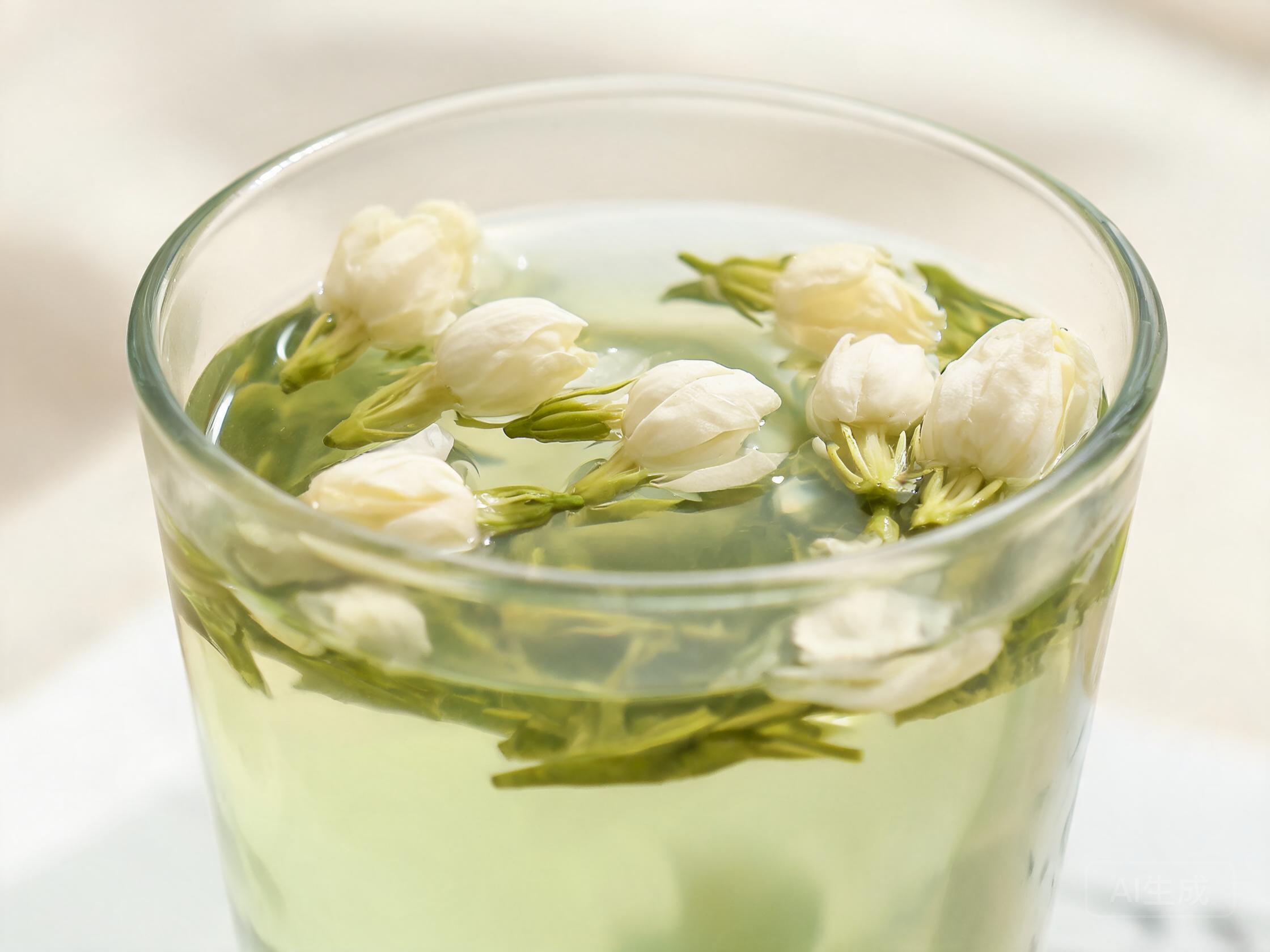
Reprocessed tea is a large modern segment built on two operations: scenting and re-forming.
Jasmine tea alone is produced at industrial scale across three provinces.
Guangxi, through Hengxian, supplies the largest share by volume.
Fujian, through Fuzhou, holds the protected craft and the reputation.
Sichuan produces a third share, mostly for buyers inside China.
Together they supply the domestic market and a substantial export trade as well.
Compression is the other half, and it is a separate industry entirely.
Pu-erh pressing in Yunnan is the largest part of it, followed by pressed white tea from Fuding.
Both halves are modern in structure, whatever the historical claims attached to them.
Scenting is scheduled around the flower harvest, which runs from late spring into autumn.
Pressing runs all year and is limited only by the supply of leaf.
Neither resembles the small workshop model that the marketing usually implies.
That gap between image and structure is the thing worth understanding here.
It explains most of what is confusing about buying in this category.
What shapes the modern trade
Output today rides on domestic habit and on two export channels.
Scented tea has a long established export trade, and jasmine is the main part of it.
It reaches Southeast Asia, North Africa and Europe in considerable volume.
Compressed tea has a collector market instead, which is smaller and far more volatile.
Pu-erh prices have moved through at least two speculative cycles since the 1990s.
That market sets the tone for the whole compressed half, good producers included.
Domestic demand is steadier, and it is where most of the volume actually goes.
Scented tea is an everyday drink across much of northern China, and that has not changed.
The flower harvest is the main constraint on the scented side of the business.
A poor jasmine season in Guangxi raises prices for everyone within a year.
Storage is the main constraint on the compressed side, since cakes need years.
That is why merchants hold stock rather than growers, which is unusual in tea.
Both halves are therefore driven by logistics as much as by taste.
Industrial versus craft
Mechanisation lifted volume and consistency here, and it pressed the small workshops hard.
On the scented side it produced the split that defines the category for most buyers.
Industrial scenting uses few rounds of flowers, or essence instead of flowers altogether.
Craft scenting uses many rounds over consecutive nights, and the cost difference is large.
The craft version is sold by the people who make it, and it rarely leaves China.
Everything a casual buyer abroad meets is the industrial version.
That is why the category has the reputation it has, and the reputation is not entirely fair.
Compression has the same split between plantation leaf pressed in bulk and single garden cakes.
There the industrial version dominates by weight and the craft one dominates by price.
Telling the two apart takes one purchase and a nose rather than any expertise.
Brew 3 g in a 150 ml vessel at 90 °C and smell the dry leaf before anything else.
Real flowers give a soft scent that survives 3 infusions, and essence does not survive one.
That test costs almost nothing, and it settles the question immediately.
Reading the market
The useful signal is not tonnage but where a tea sits between commodity and craft.
That position predicts the price, the availability, and how much the maker still matters.
For scented tea, commodity is the default almost everywhere.
Expect to pay several times more for the craft version, and expect to buy it from a specialist.
For compressed tea, the line runs through storage rather than through production.
A commodity cake and a craft cake can come off the same pressing line.
What separates them afterwards is where they were kept, and for how long.
Buy 100 g of anything new, and drink it before committing to a whole cake.
Brew 8 g in a 120 ml pot with boiling water, and rinse the leaf once first.
Ten infusions will tell you whether the storage was worth paying for.
The category pages here split scented from compressed, and the two need separate rules.
What the market will never tell you is which tier you are being sold.
One infusion answers that, and no amount of reading does.