Abroad
Reprocessed tea travels better than any Chinese category apart from red tea.
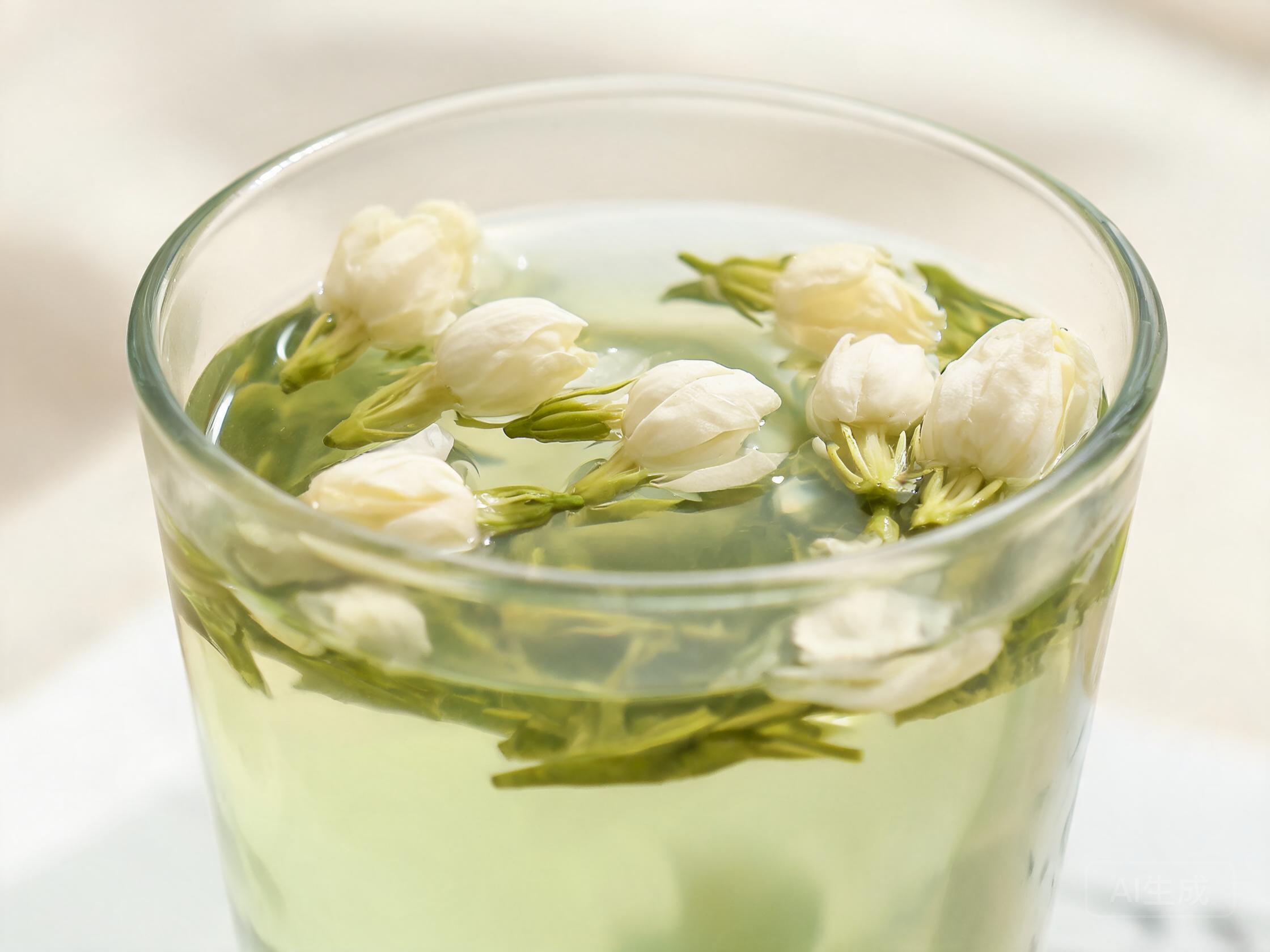
Jasmine tea in particular has been a Western and Southeast Asian staple for a long time.
It is one of the few Chinese teas that a casual drinker abroad can name.
That position was built on two properties rather than on fashion.
The first is that compressed tea survives a long supply chain almost indefinitely.
A brick or a cake is a package designed for transport, and it behaves like one.
The second is that a scented tea smells appealing before anyone understands it.
Aroma is the part of tea that crosses a language barrier most easily.
China exports a significant volume of scented tea, and most of it is jasmine.
The bulk goes to Southeast Asia, North Africa and Europe, in roughly that order.
Compressed tea has a separate export story, built on pu-erh and collector demand.
That trade is smaller by volume and far larger by value.
Both are reprocessed tea, and they move through completely different channels.
Keeping them apart is the first thing to do with any export figure.
Why it travels, or not
International reach depends on the cup suiting foreign palates and on the supply chain.
Scented tea satisfies the first condition better than any other Chinese category.
It is mild, it smells pleasant, and it needs no explanation to be enjoyed.
It also takes milk and sugar without complaint, which is how much of the world drinks tea.
Compressed tea satisfies the second condition instead.
A cake can cross an ocean and then sit for 10 years, and both are useful properties.
What neither has is freshness, and that is why both ends of the category were always exportable.
A delicate green would not survive the same journey, which is why it never built this trade.
The gap between domestic fame and export reality is therefore inverted here.
Scented tea is a modest product at home and a substantial export one.
Yellow tea is the opposite case, and the comparison between them is instructive.
Export volume measures logistics and palates, and it measures neither quality nor standing at home.
Anyone reading it as a quality ranking is reading the wrong column.
What foreigners meet first
What arrives abroad is a simplified version of the category, as it always is.
Jasmine tea stands in for all of scented production, which is reasonable and incomplete.
It is usually a green base, and usually at the commodity end of the range.
That is why so many drinkers abroad think jasmine tea is a cheap, perfumed product.
The premium version, scented with real flowers over many rounds, is a different drink entirely.
Almost none of it reaches a supermarket shelf in Europe or North America.
Compressed tea has the same problem in a more extreme form.
Pu-erh arrives as a collectible, with prices and stories attached that have little to do with the cup.
A buyer meets the market before meeting the tea, which is a poor order to learn in.
Ask for a young cake with a known storage history rather than an old one with a story.
The young one will be cheaper and far easier to judge honestly.
Then buy 100 g rather than a whole cake, and drink it before believing anything about it.
The first impression in this category is usually marketing, and it is worth discounting.
A caveat
Strong export is not a quality signal either, and the same caution applies in reverse.
Jasmine tea moves in volume because it is cheap to make and easy to ship.
Much of what moves is commodity grade, and some of it is sprayed rather than scented.
A category that travels well can travel for reasons that have nothing to do with how it tastes.
The useful question is which tier is being offered, and that never appears on a shipping label.
Smell the dry leaf, which is the fastest test available anywhere.
Real jasmine smells soft and slightly green, and essence smells sharp and soapy.
Brew 3 g in a 150 ml vessel at 90 °C and expect the scent to survive 3 infusions.
If it has gone by the second, the tea was never what the box implied.
Drink a scented tea within 6 months of the year it was made.
For a compressed tea, ask where it was stored rather than how old it is.
Storage decides the cup, and age on its own decides very little.
Export volume tells you what moves, and it never tells you what is good.