Where it began
Reprocessed tea has two separate histories, and they are usually told as one.
Scenting and compression are different inventions with different dates.
Compressing tea into cakes is the older of the two.
Lu Yu’s Classic of Tea(茶经), written between 760 and 762 CE, describes picking, steaming, pounding and pressing the leaf into cakes.
That is a documented practice, and it is the ancestor of every brick and cake sold now.
The reason was practical: compressed tea travelled, could be stored, and could be taxed and traded.
Scenting is a later and less securely dated development.
The usual account puts jasmine scenting in the Song dynasty, around Fuzhou.
That account is plausible, and firm documentation for it is thin.
Claims that the practice began in the Han dynasty are marketing rather than record.
What is well attested is the Ming and Qing period, when scented tea became a trade of its own.
Fuzhou jasmine tea was sent to the Qing court as tribute, and that is documented.
So the honest summary is old compression, later scenting, and a modern industry built on both.
The order matters, because it tells you which traditions are deep and which are recent.
History as evidence
A documented origin tells you a practice was repeated long enough to be worth recording.
That is a claim about continuity, and continuity is where craft comes from.
It says nothing about the specific batch in the tin.
Scented tea makes this distinction unusually clear.
The method is old and the product is perishable, so the two pull in different directions.
A famous name tells you the workshop exists, not when the flowers went in.
Scent fades within a year or two, and no amount of heritage prevents that.
Ask for the scenting date before you ask about the lineage.
A seller who gives you the year is giving you something you can act on.
The one who answers with a dynasty is telling you a story.
Compressed tea is the opposite case, where the date genuinely does the work.
A cake pressed in 2015 and the same cake pressed in 2020 are different drinks.
There the history is part of the product, and documentation is worth paying for.
Borrowed versus real
Two claims circulate about scented tea, and neither deserves much weight.
The first is the ancient origin, usually pushed back to the Han dynasty.
No surviving text supports that, and the flowers themselves were not in common use then.
Jasmine reached China from abroad along the same routes that carried other aromatics.
The second is the unbroken lineage, which is a standard feature of tea marketing.
Scenting was industrialised in the twentieth century, and much of it now uses essence rather than flowers.
That is not a secret, although it is not always disclosed on the label.
Compression has its own version of the problem, in the form of invented ageing.
A cake sold as aged may simply have been stored damp to accelerate the process.
That is the most common fraud in the category, and it is easy to taste once you know it.
The check is the same in both cases: name, place, year and method.
Sellers who can answer those four questions can usually prove what they say.
Sellers who cannot are selling atmosphere, and you should price it accordingly.
What to keep
Use the history to choose where to look, and use the cup to choose what to buy.
For a scented tea, smell the dry leaf before anything else.
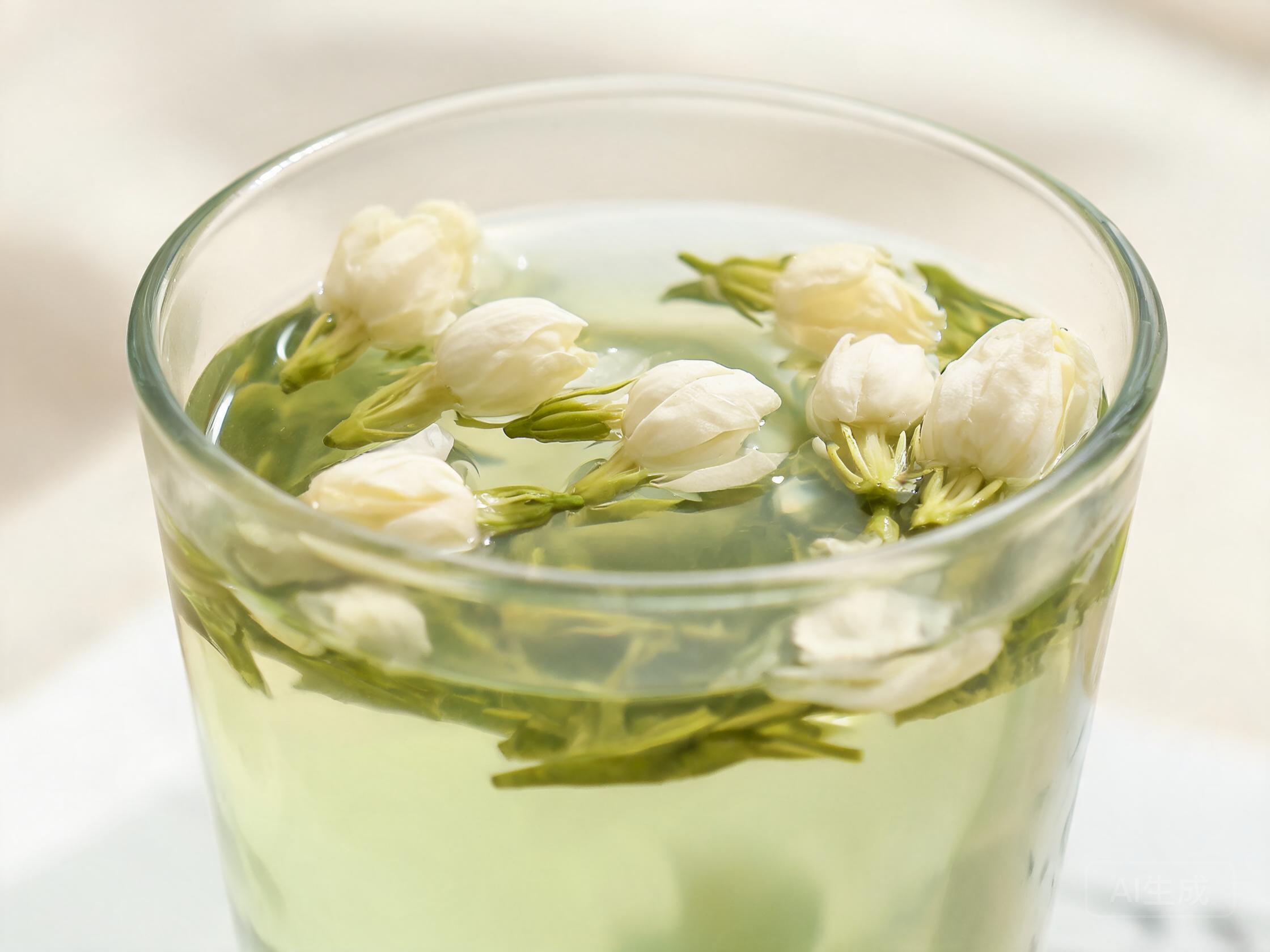
Real jasmine smells sweet and slightly green, and the scent should survive 3 steeps.
If it smells soapy or sharp, the tea was sprayed with essence rather than flower scented.
Brew 3 g in a 150 ml vessel at 90 °C for about 60 seconds.
Drink it within 6 months, since the scent is the product and it does not keep.
For a compressed tea, the date and the storage history are almost everything.
Ask where it was kept, because a damp warehouse changes the tea permanently.
A cake stored clean tastes sweet and earthy, and a cake stored wet tastes of the room.
Buy one small cake rather than a stack, and open it once a year.
The ageing notes here go into humidity and temperature in more detail.
What the lineage gives you is a reason to care about the category.
What it cannot give you is protection against a badly stored cake.