As a cultural object
Scented tea carries a stronger cultural signal than its price would suggest.
Jasmine tea was sent to the Qing court as tribute, and that story still does work.
It remains tied to hospitality, particularly across northern China.
A pot of jasmine on the table is the default welcome in much of the country.
That is a living custom rather than a historical one, which makes a difference.
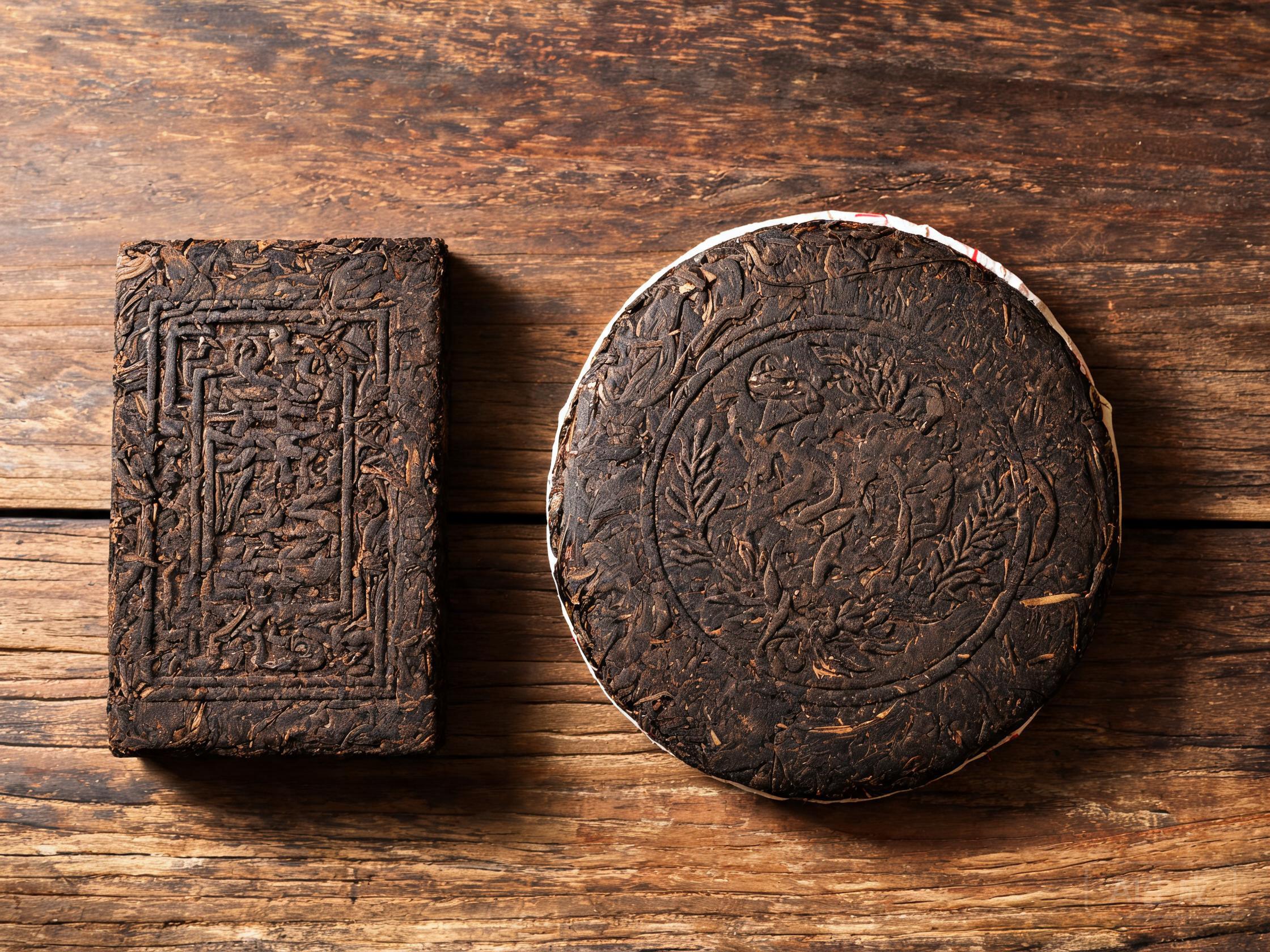
Compressed tea carries the romance of the tea horse road instead.
Bricks moving by caravan into Tibet is the image that sells the category.
It is real history, and it is also used to sell cakes to people who will never drink them.
As a symbol, reprocessed tea stands for transformation.
Something is done to a finished tea, and the tea comes out changed.
That is a fair description of the craft and a convenient one for marketing.
The two halves stand for quite different things despite sharing one category.
Scented tea means hospitality, and compressed tea means distance and time.
Working out which symbol is being sold tells you which half you are standing in.
What it stands for
Meaning in this category comes from how the tea is used rather than from what it is.
Jasmine tea is served to guests, and that is the whole cultural job it does.
It is not a tea that people study, and it is not a tea that people age.
It is a tea that people put in front of other people.
That role has kept it popular through every change in fashion since.
Compressed tea means something else again, and the meaning is about time.
A cake is bought to be kept, and keeping it is most of the point.
That makes it the one Chinese category with a storage culture attached to it.
Collectors talk about vintages and warehouses the way wine drinkers talk about cellars.
Some of that is genuine appreciation, and some of it is speculation wearing a costume.
The two are hard to separate from the outside, and the market makes no attempt to.
What the category stands for, in short, is being made for someone else.
Scented for a guest today, or compressed for a stranger in ten years.
Symbol versus substance
The symbolic load here regularly outruns the cup, and it does so in both halves.
A jasmine tea sold on tribute history is usually a commodity product in a good box.
The history belongs to Fuzhou, and the tin in front of you was probably scented in Guangxi.
Neither fact is hidden, and neither one is volunteered either.
Smell settles the question faster than any argument: real flowers are soft, essence is sharp.
A compressed tea sold on caravan romance is usually sold on age at the same time.
Age is the easiest thing to claim about a cake and the hardest thing to verify.
What decides the cup is where it was stored, which the romance never mentions.
A cake kept damp for a few years turns dark and flat, and it still sells as aged.
That is the most expensive way to be misled anywhere in this category.
Brew 8 g in a 120 ml pot with boiling water, rinse once, and steep for about 15 seconds.
Ten infusions will tell you more about the storage than the wrapper ever will.
Substance survives that test, and symbolism does not.
A practical read
Treat cultural prestige as context, since context is all it reliably is.
The hospitality story is true, and it is not a claim about the leaf.
Buy scented tea for the next few months rather than for a shelf.
Drink it within 6 months of the year it was scented.
Brew 3 g in a 150 ml vessel at 90 °C, and smell the dry leaf before the water goes in.
Expect the scent to survive 3 infusions, and distrust the tea if it does not.
Buy compressed tea from a seller who will describe the storage without being asked twice.
Then buy 100 g rather than a whole cake, and drink it before buying any more.
If you want the romance, buy one cake and open it once a year.
That is the only version of the collecting habit that costs little and teaches a great deal.
The category pages here split the two halves, and the split is the useful part.
What neither symbol can tell you is whether this batch was made well.
One infusion answers that, and no story does.