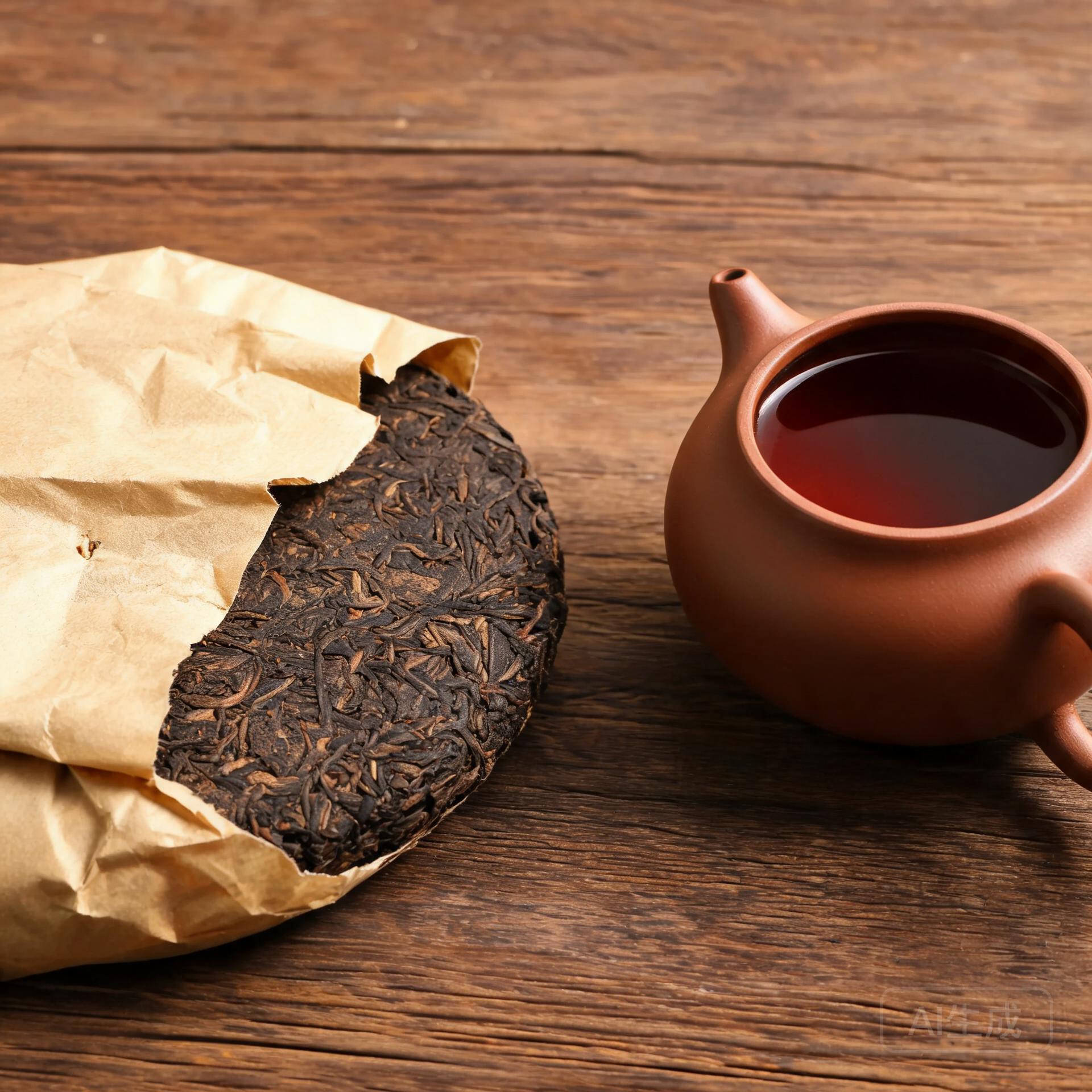
Where and how it is made
Dark tea is made in five main areas, and each of them produces something different.
Yunnan makes pu-erh, which is the largest and best known by a wide margin.
Hunan makes Anhua dark tea, including the fu brick with its deliberately grown fungus.
Guangxi makes Liubao, which is basket aged and sold largely into Southeast Asia.
Sichuan makes the brick tea sent to Tibetan regions, and has done so for centuries.
Hubei and Shaanxi produce smaller amounts of similar compressed teas.
The defining step is post-fermentation, where microbes change the leaf after it is dried.
That is what separates this category from every other one, and it is why these teas age.
Volumes are large by comparison with most categories, and increasingly standardised.
Shou pu-erh and brick tea are made at industrial scale with controlled fermentation.
Sheng pu-erh and the premium grades are the opposite: small batches sold on origin and year.
Both are dark tea, and once again one category name covers two different businesses.
The same split runs through every region, Yunnan included.
Working out which tier you are buying is the first job with any of it.
Concentration
Concentration here comes from material and climate rather than from craft alone.
Post-fermentation needs warmth and humidity, and the producing regions have both.
It also needs time, which is why the trade is built around holding stock.
That makes producers and merchants unusually dependent on storage conditions.
A warehouse in Guangdong and one in Kunming produce different tea from the same cake.
Buyers learn this quickly, and the market prices storage regions separately.
Concentration also means the regional styles are genuinely regional.
Anhua dark tea does not taste like Liubao, and neither of them tastes like pu-erh.
The leaf, the water and the microbes all differ, and the cup shows all three.
For a buyer that is good news, since the region is usually stated on the wrapper.
It is one of the few things on a dark tea label that can generally be trusted.
Learn one tea from each of the 5 regions before going deeper into any of them.
That gives you a working map of the category in five purchases.
Commodity versus premium
The two tiers here are separated by age, and by who controlled the ageing.
Commodity dark tea is fermented fast, pressed, and sold within a year or two.
It is cheap, consistent and perfectly drinkable, and most of it is drunk exactly that way.
Premium dark tea is sold on garden, year and storage history instead.
Prices at that end have been through at least two large bubbles since the 1990s.
Anyone buying there is buying a market as much as a drink.
That is not a reason to avoid it, and it is a very good reason to understand it first.
The commodity tier carries no such risk, and it is where most drinking should happen.
Packaging is no guide at either end, and at the premium end it actively misleads.
A cake in a printed wrapper with a famous region name is the standard commodity product.
What separates the tiers is the liquor, which is thick and clean in a well made one.
A musty or flat cup means the fermentation or the storage went wrong somewhere.
No amount of age or packaging repairs that, and it is easy to taste once you know.
What to watch
The signal that matters is the spread between everyday and collectible grades.
In dark tea that spread is wide, and it has been volatile for decades.
Watch the storage history first, since it decides the cup more than the year does.
Ask where the cake was kept, for how long, and at what humidity.
Then watch the price of the region rather than the price of the individual cake.
A sudden rise across a whole region usually means speculation rather than quality.
Buy 100 g rather than a whole cake until you know what you are tasting.
Brew 8 g in a 120 ml pot with boiling water, and rinse the leaf once first.
Steep for about 15 seconds, and expect 10 or more infusions from a good cake.
If the cup tastes flat by the fifth, the storage is more likely at fault than the leaf.
Drink what you buy across 3 sessions before forming a view of it.
What to watch is whether a seller can answer the storage question plainly.
That single answer predicts more than every other fact on the wrapper combined.