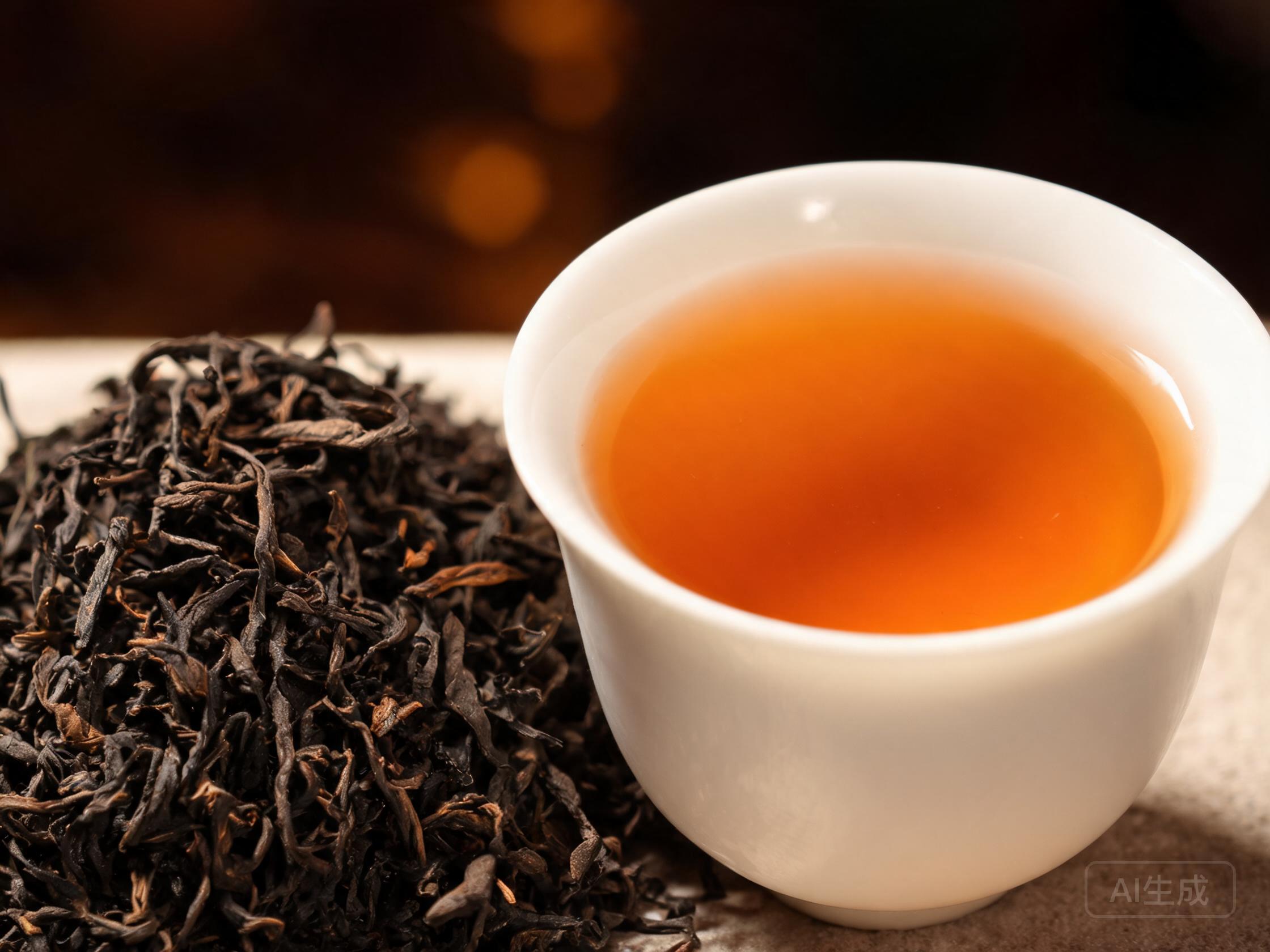
Two different purchases
Red tea splits less cleanly than most categories, because it is the least age-worthy tea and the most everyday one at the same time.
It keeps well, which makes people think it improves. It does not. It flattens slowly over about two years and then holds there.
So the honest answer for red tea is that almost all of it belongs in the daily pile and almost none of it belongs on a shelf.
What is worth separating is not age but occasion: an everyday tea for milk or a quick cup, and a named single origin for drinking plain.
That is a different split from the one this page is named after, and it is the more useful one.
If you still want to keep tea for later, keep it sealed and cool and think in months rather than years.
Red tea rewards buying well and often far more than it rewards buying early and waiting.
If your real interest is in keeping tea, buy dark tea instead. Same instinct, pointed at a category where it actually works.
For daily drinking
Decide first whether you drink it with milk. That single answer decides the grade, the origin and the price.
With milk, buy a broken-grade blend in 250 gram bags. It is cheap, strong and consistent, and that is what blends are for.
Without milk, buy a named single origin: a Darjeeling second flush, a Dian Hong, a Zheng Shan Xiao Zhong.
At 4 grams a cup, 250 grams is about 60 cups, which is roughly two months of daily drinking for one person.
Buy the everyday tea from one supplier and do not chase variety. A tea you know is worth more than five you are still working out.
Store it sealed and dry. Red tea does not need the cold, and it does pick up moisture and smells from a kitchen.
Replace it every six months or so. Beyond about two years even a sealed bag starts to lose its top note.
Keep one tea for guests and one for yourself. The second is the one that matters, and it is usually the cheaper of the two.
For collecting
Red tea is the weakest of the six categories for ageing, and saying that plainly saves more money than any advice about how to do it.
It has no fermentation step left to run, low moisture, and nothing in it that develops with time.
What people sometimes mean by aged red tea is a Chinese style stored for a few years to round off the edge. That is a real practice, and the change is small.
Anything sold as decades old should be treated as a curiosity rather than a purchase.
The resale market is thin and the flavour curve is flat, so neither of the two reasons to age tea applies here.
If you like the idea anyway, buy two 100 gram bags of the same Dian Hong and drink one now and one in three years. That is a complete experiment for very little money.
Keep it sealed and cool, and accept that the most likely outcome is that the second bag is slightly rounder and not better.
How to split your budget
Put all of it into drinking tea. For red tea the useful split is not daily versus collect, it is everyday versus good.
A realistic year for someone who drinks two cups a day is 1 to 1.5 kilos of an everyday blend, bought in four batches.
On top of that, 200 to 300 grams of single origins across the year, bought 100 grams at a time from two or three sellers.
That gives you a cheap daily cup and a rotating set of teas you actually taste, which is where the interest in red tea lives.
Do not buy more than six months of the everyday tea at once. It keeps, but your tastes change faster than it fades.
Keep a note of price per gram for the single origins. After a year you will know which sellers are consistent and which are not.
If you find yourself with tea you are keeping rather than drinking, you have bought the wrong amount. Red tea is for drinking.
Check the harvest date on anything sold as a single origin. A Darjeeling more than two years old has lost the note you paid for.