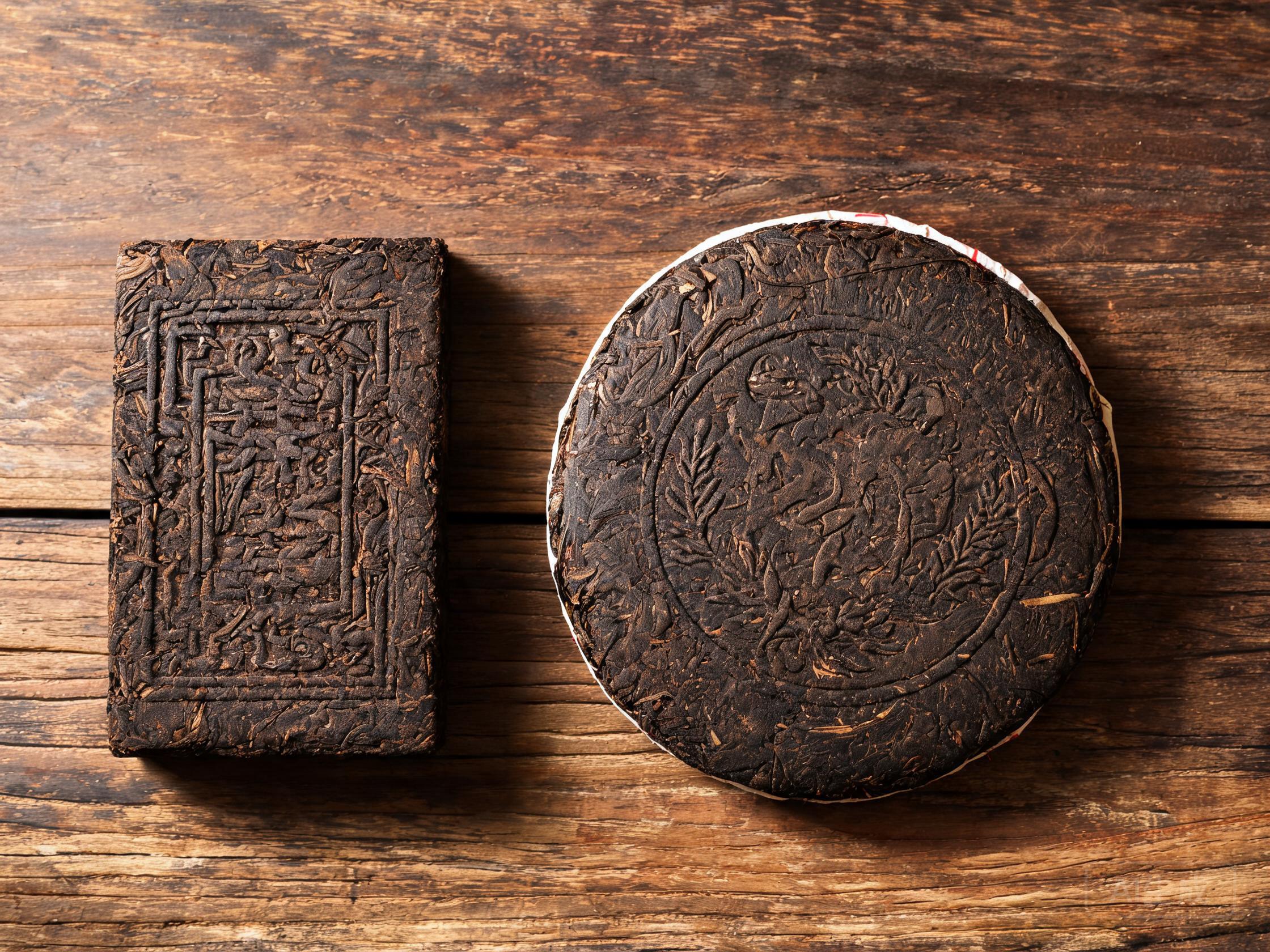
Two different purchases
Reprocessed tea is the category where the daily and collected halves are almost separate industries with separate rules.
The scented half, jasmine above all, is a drink-now product. It peaks within months and then declines.
The compressed half is the most actively collected tea in the world, with a real market and real fakes in equal measure.
Treat them as two budgets, because the skills do not transfer and in many shops neither do the sellers.
The daily half is cheap and safe. The collected half is expensive and genuinely risky, and that asymmetry should be obvious before you start.
Most people should spend most of their money on the first and a small amount on the second.
If you find the second half taking over, stop and drink what you have for a year. That usually resets the balance.
The scented half rewards attention and the compressed half rewards patience, and very few people are equally good at both.
For daily drinking
Buy jasmine in 50 gram lots, drink it within six months of scenting, and buy it again.
The number of scenting rounds is the thing to pay for. Three rounds is everyday, and seven is a noticeable step up.
Loose jasmine beats pearls for daily use. Pearls are rolled by hand and cost more for the same leaf.
Brew it at about 85 degrees for two minutes. Boiling water makes jasmine bitter, and most people overbrew it.
Ripe dark tea is the other sensible daily buy in this category, and it is the cheapest tea per cup in the whole shop.
A 250 gram brick of factory ripe tea costs very little and gives about 40 sessions, and it does not mind a rough brew.
Keep the jasmine sealed and away from the compressed tea. Scented leaf takes on the smell of anything stored next to it.
Buy jasmine in summer if you can. Most scenting happens between June and August, and autumn stock is often last year’s leaf repacked.
For collecting
Only the compressed half is worth collecting, and it is worth saying that the risks here are higher than anywhere else in tea.
You are betting on three things you cannot fully verify: what the leaf was, how it was stored, and whether the wrapper tells the truth.
Buy from a factory with a documented recipe. Menghai and Xiaguan recipes are recorded, and that record is what gives an old cake a price.
Buy young and store it yourself rather than buying old. A cake you have kept for ten years beats a ten-year-old cake of unknown history.
Storage wants a stable humidity around 60 to 70 per cent, no strong smells, and no attention. Checking it monthly only lets air in.
Buy three of anything: one to drink now, one at five years, one at ten. Without the first you have no baseline.
Stay away from any cake sold without a factory mark. Unmarked cakes are cheap for the same reason unlabelled food is cheap.
Scented tea has no collecting case at all. It loses its aroma within a year, and nobody pays for old jasmine.
Do not believe the story about a cake found in a warehouse. That story is told about thousands of cakes and is almost never true.
How to split your budget
Ninety per cent into drinking and ten into cakes is a sane split for anyone not already experienced with compressed tea.
In money that usually means one or two cakes a year, which after five years is a small shelf rather than a cellar.
Spend the drinking money on jasmine bought little and often, which is the best value in the category by a wide margin.
Buy the cakes from one seller for several years. Storage history is worth more than any claim on a wrapper, and one seller gives you one history.
Resist the vintage market entirely for the first three years. It is where beginners lose money fastest and learn least.
Set a fixed annual figure for cakes and do not exceed it. The category is designed to make you buy one more.
If you cannot say what your cakes taste like today, you are not collecting, you are accumulating. Drink one this month.
Drink a cake a year from whatever you have most of. A collection that never gets opened is a stack of paper-wrapped discs.