Teas named by place
White tea is a Fujian story with a Yunnan branch, and almost everything else is detail.
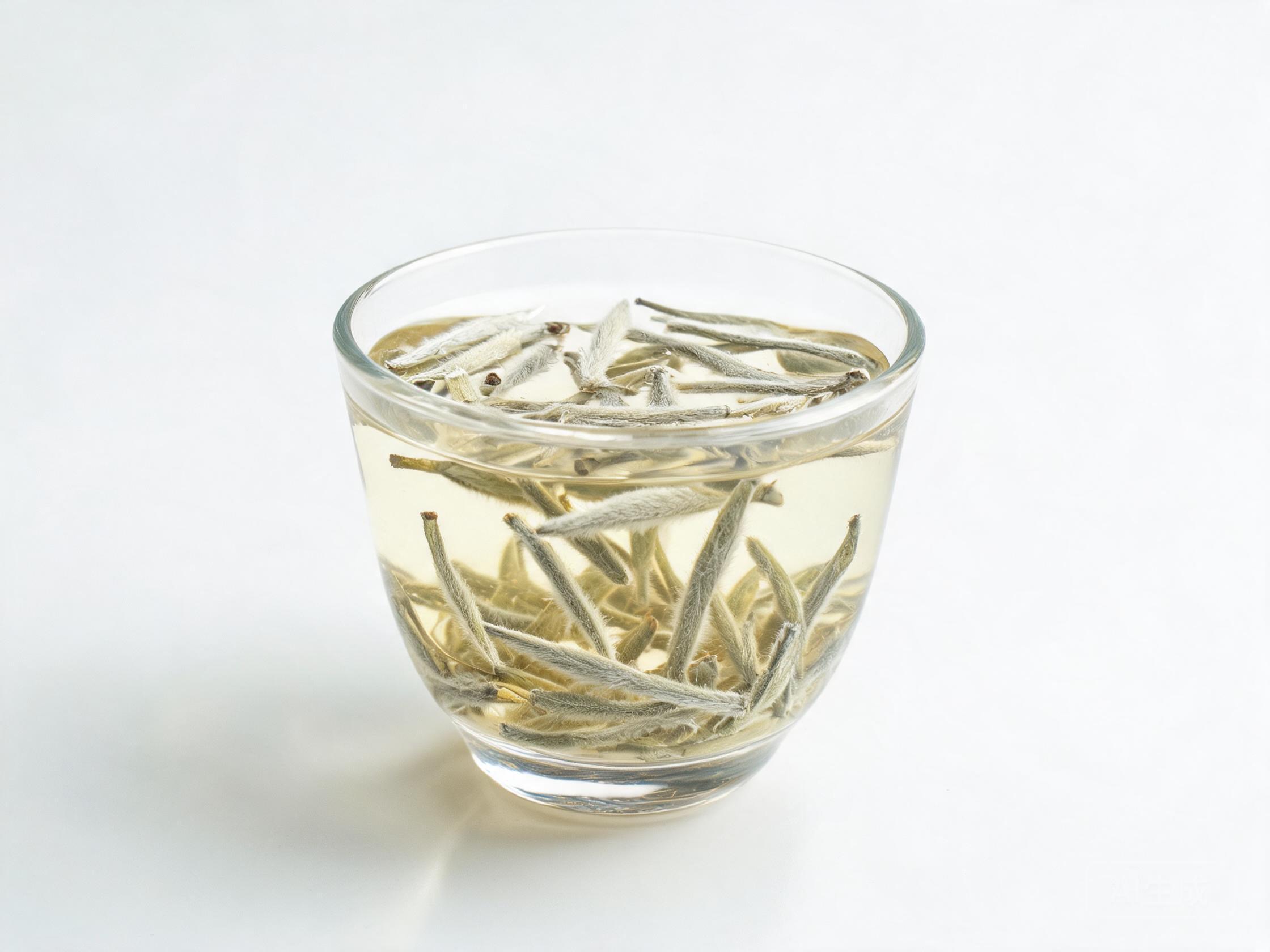
Fuding makes the famous Silver Needle and Baimudan(白牡丹), and the profile is bright and floral.
The local bush is a medium leaf varietal, and the withering is done mostly in sun and air.
Zhenghe uses a different cultivar and reads a touch heavier, with more of a dried fruit note.
It withers for longer, and the extra time shows as colour in the leaf and body in the cup.
Jianyang produces Shuixian bai(水仙白)and Gongmei(贡眉), and both sit at the coarse end.
Yunnan makes moonlight white from a large leaf assamica, with a soft, dark profile of its own.
It is the odd one out, and whether it belongs in the category at all is still argued.
That leaves 4 places and 4 bushes, and the same minimal process applied to each.
It is the useful way to hold the category, since the process is simple and the leaf is not.
Grade names cut across all of them, which is why a grade on its own tells you so little.
Ask for the place and the grade together, and you will know most of what matters.
Why region matters
Place is more than a label here, because the process leaves the leaf so close to raw.
With no rolling and almost no oxidation, the character of the bush comes straight through.
Soil, altitude, humidity and local habit all land in the cup with very little in between.
That is why one grade from two counties tastes like two different teas.
Fuding’s coastal humidity suits a slow wither, and Zhenghe’s hills suit a longer one.
A region earns its name by setting a standard that other places get measured against.
Fuding did that for bud teas, and every Silver Needle since is compared with its version.
That is why regional fame outlasts marketing, and also why it outlasts quality.
A famous region has poor years and careless producers like anywhere else.
What the name buys you is a probability rather than a guarantee.
It raises the average, and it does not remove the tail.
Buy the region for the average, and buy the sample for the particular tin.
When regions cross borders
White tea styles travel, and the travelling has accelerated in the last 20 years.
Fuding bushes are now planted in Guizhou and in Yunnan, and the leaf processes the same way.
A Silver Needle made in Guizhou from a Fuding cultivar can be a very good tea.
It is not a Fuding tea, and selling it as one is where the trouble begins.
The technique is portable, and the growing conditions are not.
Sun, soil and humidity arrive with the place, and none of them can be packed.
For honest buying, the region should name where the leaf was grown and made.
An inherited style described as an origin is the most common quiet lie in the trade.
Ask which county, and if the answer is a province, ask again.
Sellers who know the difference say so, and sellers who do not talk about heritage.
Moonlight white is the honest version of this, since it is sold under its own name.
Everything else should be held to the same standard.
How to choose among them
Start by picking the region whose profile already suits you, then explore inside it.
Fuding if you want delicacy and flowers, Zhenghe if you want weight and dried fruit.
Jianyang if you want the coarse grades, and Yunnan if you want something darker and softer.
The regional label is the largest single predictor of cup character you have.
Grade is second, year is third, and price sits somewhere well below all three.
Buy 25 g of each of the four and brew them the same way on the same afternoon.
Use 3 g in 150 ml at 85 °C, and give each one 2 minutes before you judge it.
Tasting them apart is easy, and tasting them side by side is the only way to learn the difference.
Once a broad region suits you, sub-regions and named slopes are the next level of detail.
That is also where prices climb fastest and the cup changes least, so go slowly.
Treat famous mountains as a refinement rather than as a category of their own.
Four regions, one afternoon, and after that your own notes beat any label.