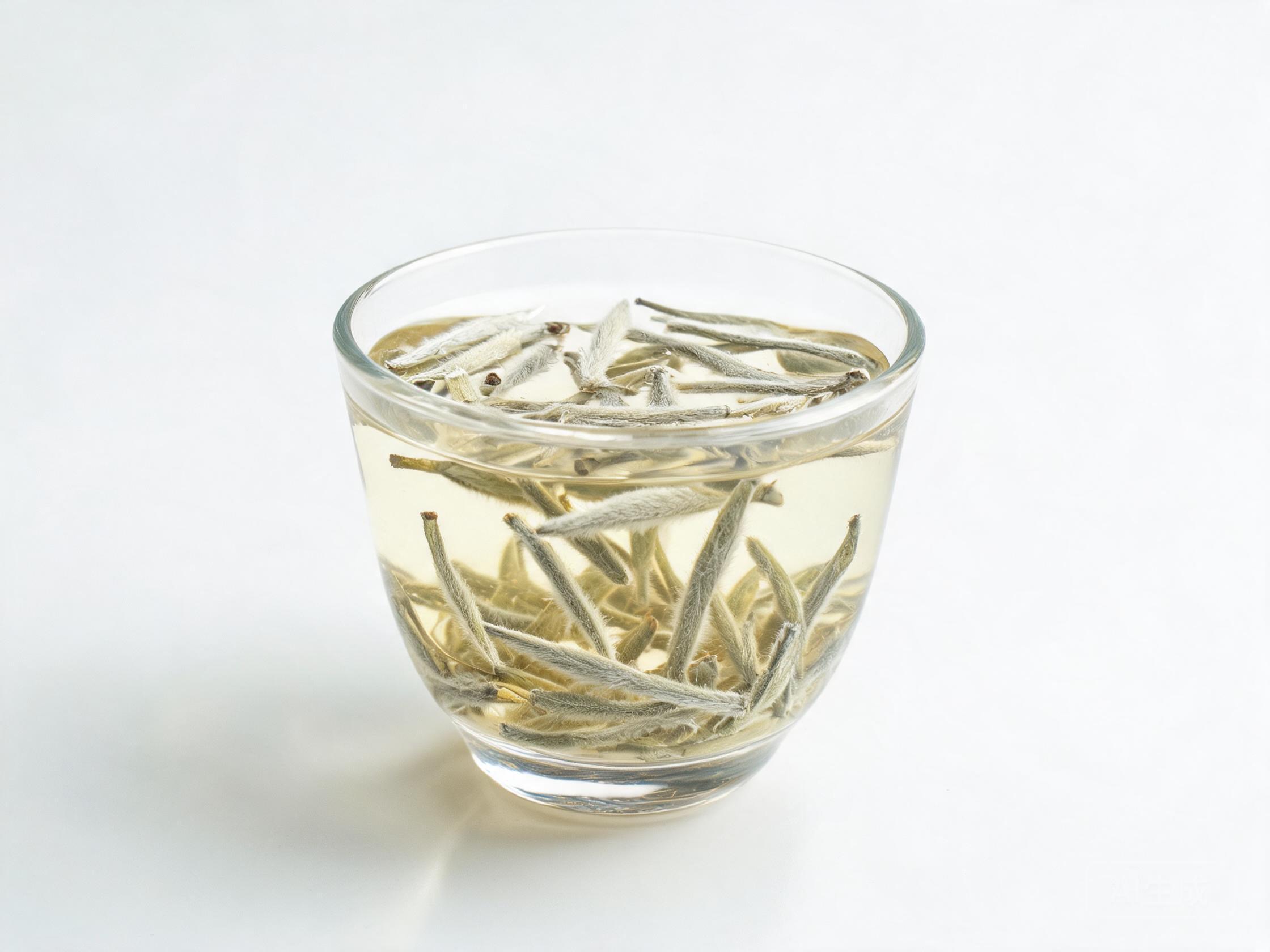
Wild and ancient trees
White tea character starts in the bush, and the bushes in question are old ones.
Fuding Dabai(福鼎大白)and Fuding Dahao(福鼎大毫)are both selections taken from local old bushes.
Neither was bred in a laboratory, and both were chosen out of standing populations.
Zhenghe Dabai(政和大白)anchors the Zhenghe style in exactly the same way.
Caicha(菜茶), the mixed landrace, still grows as old bushes in both counties.
It gives what many drinkers consider the most traditional cup in the whole category.
Ancient white tea bushes do survive in Zhenghe and in Fuding.
They are scattered, they are few, and almost none of that leaf reaches the open market.
Most white tea comes from managed old bush gardens rather than from anything wild.
That is a real distinction, since a managed garden gets pruned, picked and fed.
A truly old bush is left to itself and ripens slowly across a long season.
Fuding’s old gardens were replanted heavily through the 1980s, so much of what grows there now is middle aged rather than ancient, and the labels rarely say so.
That leaves 3 kinds of bush, and the label almost never says which one you have.
Why age matters
The old bush question is real in white tea, and it is also easy to overstate.
An old tree grows slowly and roots deeply, and both change what ends up in the leaf.
A deep root reaches water and minerals that a young plantation bush never touches.
That tends to give the cup more body and a finish that lasts longer.
It does not give it a different flavour, and anyone promising that is selling.
Tree age is not a switch, and soil, climate and making matter just as much.
A bush on a poor site stays a poor tea no matter how old it is.
A well made young bush tea from a great site beats an old tree from a bad one.
That comparison is easy to run at home, and it settles the argument quickly.
The other reason to care about age is resilience rather than flavour.
A mixed old population has already survived decades of weather and disease.
That history is worth something, and it does not automatically reach the cup.
What reaches the cup
What old leaf changes in white tea is mostly texture rather than flavour.
The mouthfeel is rounder, the finish lasts longer, and the tea fades more slowly.
Sometimes there is more bitterness up front, and that bitterness ages into sweetness.
It is exactly the kind of difference regular drinkers notice across a full session.
It is not a first sip headline, and a tea sold on that claim is usually oversold.
Stored for five years or so, old bush material turns darker and sweeter than young leaf manages, which is where the age argument finally becomes easy to taste.
The reliable way to see it is to brew an old bush tea and a young one the same way.
Use 3 g in 150 ml at 85 °C and run both to 5 infusions.
The young bush tea drops away sooner, and the old one keeps going.
That is the whole difference, and it is worth paying something for.
It is not worth paying several times the price for, which is what labels usually ask.
Treat tree age as a quiet bonus rather than as the headline claim on the tin.
Anyone who makes it the headline is telling you about the price rather than the tea.
A caveat on the word wild
The word wild is used loosely in this trade, and white tea is no exception.
True forest trees are genuinely rare, and leaf from them is rarer still.
Most leaf sold as wild is an old uncultivated bush, or simply an old garden plant.
Both are worth having, and neither is what the word on the label actually means.
The useful test is whether the claim names a place and a tree age you could check.
‘Wild white tea’ is a mood, and ‘old bushes in Zhenghe, planted before 1960’ is a claim.
The second one can be argued with, which is precisely what makes it useful.
The first cannot be argued with, which is exactly why it gets used.
Ask the seller what the tree age is, and listen for whether the answer is a number.
A number means somebody has been to the garden, and a shrug means nobody has.
Buy 25 g before believing any of it, and brew it against a standard Fuding lot.
If you cannot taste the difference, the age claim was never worth the premium.