The most celebrated
Reprocessed tea has no famous single origin, so its list is a list of processes.
Jasmine tea leads it, and the best grades come from Fuzhou and from Hengxian in Guangxi.
Jasmine Silver Needle uses a bud base, and it is the most delicate version.
Jasmine pearl is rolled by hand into spheres and unfurls slowly in the glass.
Jasmine Maofeng uses a leaf base and carries the scent more plainly than either.
The number of scenting rounds gets quoted constantly, and it is a poor measure of quality.
Counting runs from 3 to 9 rounds, and a high count on a poor base is still a poor tea.
What matters is a clean base and flowers fresh enough that no spent blossom flavour remains.
Scented tea is made by layering flower and leaf overnight and repeating it over several days.
Each round adds scent and moisture, and moisture is what spoils the base.
Beyond jasmine the list is short: osmanthus, rose and chrysanthemum blends.
Liuan basket tea from Anhui is the roasted one, and it smells of pine smoke.
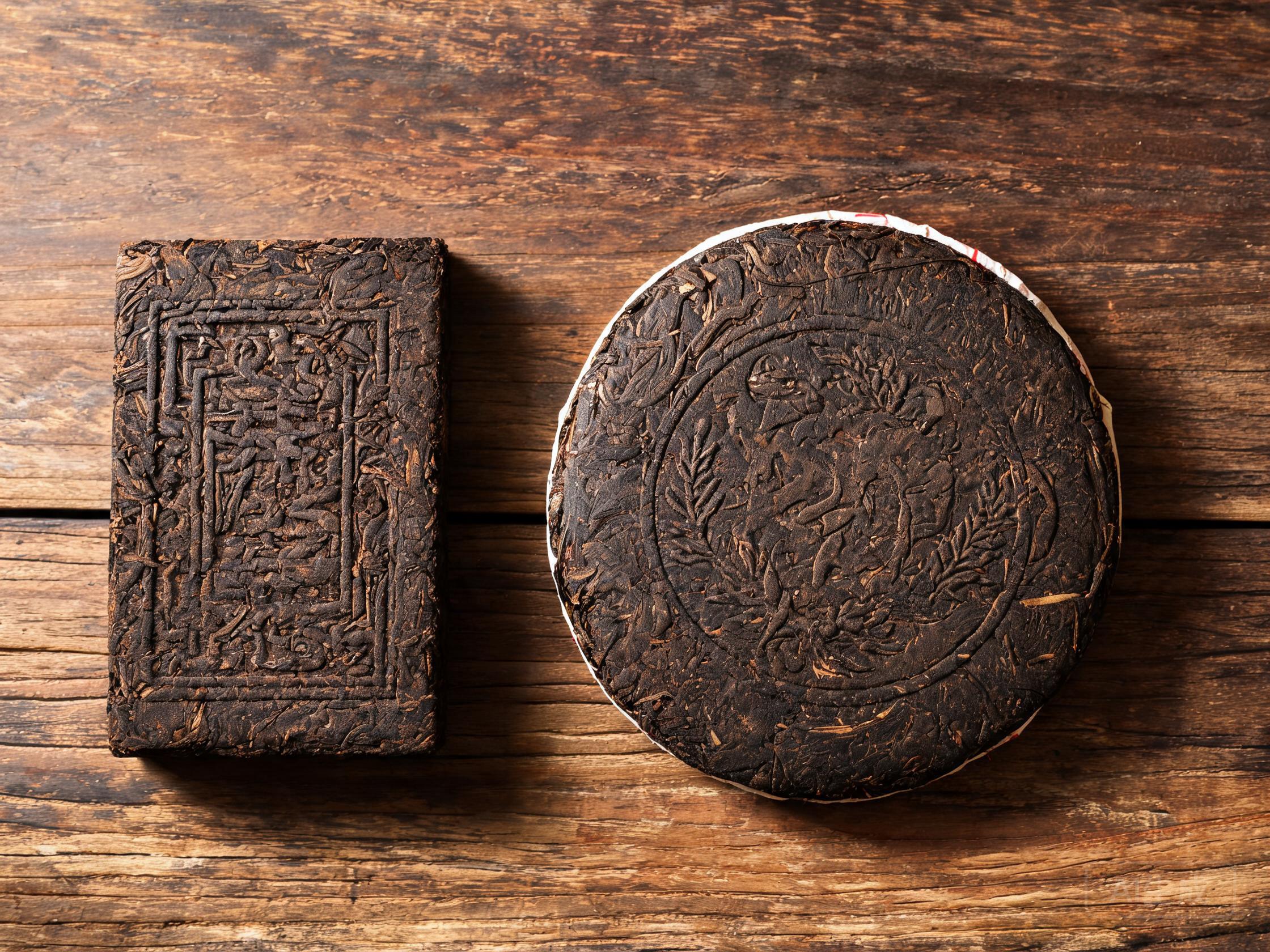
Jasmine is pressed into cakes and bricks too now, and the pressing changes how the scent comes out.
A pressed cake keeps longer, and it also needs more time to open in the pot.
Why they top the lists
A reprocessed tea name becomes famous by setting the standard for a scent rather than a place.
Fuzhou jasmine is the reference, and every scented tea elsewhere is compared with it.
That influence survives even though much of the production has moved to Guangxi.
Hengxian now handles the bulk of the country’s jasmine, and the flowers cost less there.
Fame here follows the flower market as much as the leaf.
Scarcity plays almost no part, since scenting is a process that can be repeated anywhere.
Prices follow labour instead, and hand rolled pearls cost far more than loose leaf of the same grade.
That premium is visible and easy to check, which is unusual in tea.
A famous name at a low price usually means the scent came from oil rather than from flowers.
Sprayed tea smells strong in the bag and flat in the cup, and that is the tell.
Learn that difference once and the whole category becomes easy to buy.
Influence earned the name, and your nose decides whether it deserved it.
List fatigue
Lists of reprocessed teas disagree because the category is a container rather than a type.
One list will be all jasmine, and another will give half its space to pressed pu-erh.
Both are right, and neither is comparable with the other.
Some compilers exclude pu-erh entirely, arguing it belongs with dark tea.
Others include it because compression is technically a reprocessing step.
That argument has no referee and will not be settled.
Names move slowly here, and the list has been stable for decades.
Jasmine has led it throughout, and nothing else has come close.
New entries tend to be blends aimed at drinkers rather than at collectors.
The stability comes from the process deciding what gets made, not fashion.
Read the list as a list of techniques, and pick the technique before the name.
Pressed pu-erh is judged on age, and scented tea is judged on freshness, so they never sit well together.
Two techniques tested properly teach more than ten names read about.
Trying them without overspending
Scented tea is cheap enough that you can test the whole list in one afternoon.
Buy 25 g of each grade and brew them at 85 °C, since boiling water destroys the scent.
Use 3 g in 150 ml and keep the first infusion short, around 1 minute.
Smell the wet leaf before you drink, and the spent blossom note shows up there first.
A good jasmine smells sweet and clean, and a sprayed one smells like perfume.
Run the pearls to 3 infusions, because a rolled pearl opens slowly.
Compare a bud base against a leaf base of the same scent, and the base is what you are tasting.
That pair teaches more about the category than any price list does.
Once you know a clean scent, the rest of the shelf sorts itself out.
Pay for the education first and the prestige second, and distrust tea that smells strong in the bag.
Store scented tea sealed and cold, and drink it within 12 months of buying it.
The scent fades, and a famous jasmine kept too long is only a base leaf.