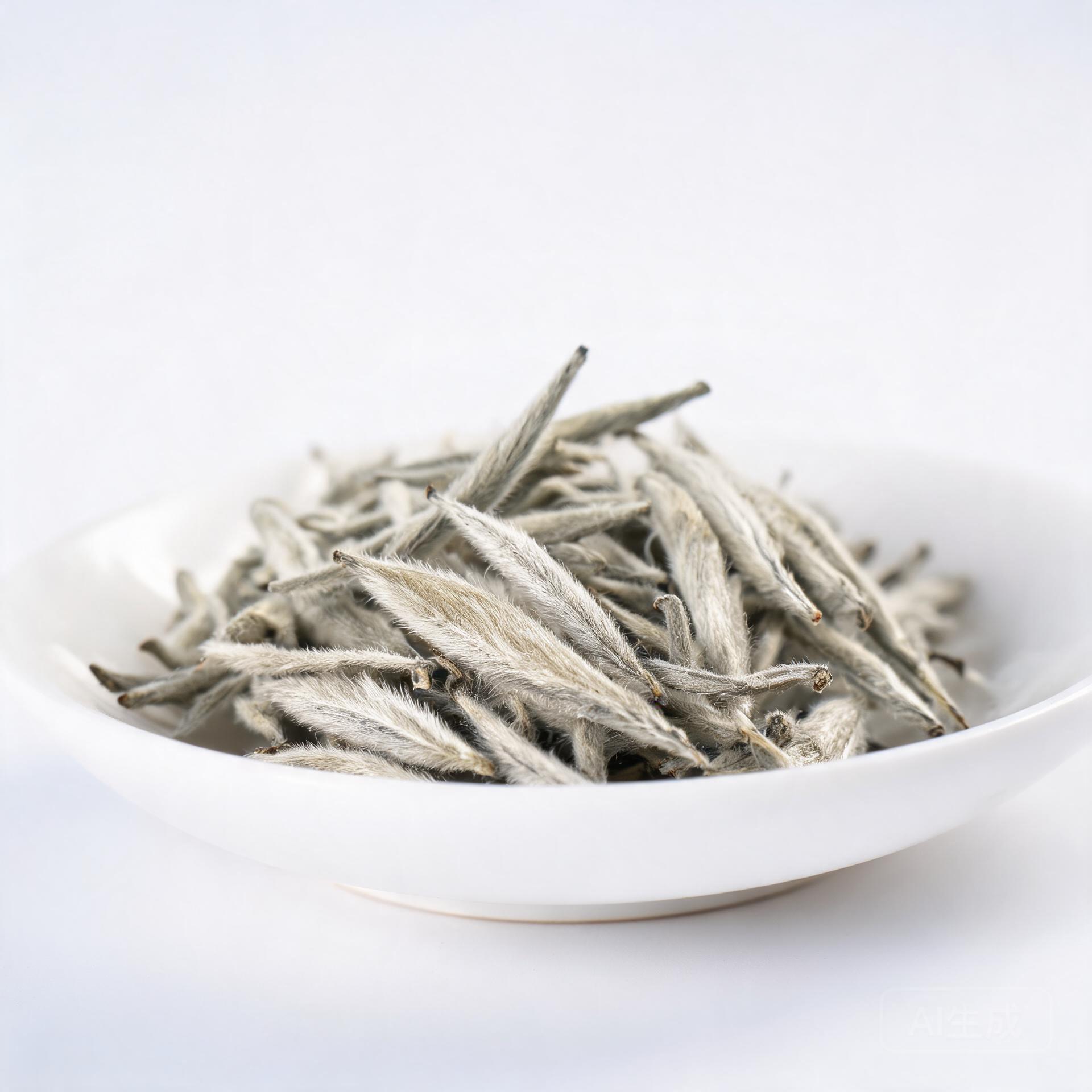
Teas with a documented past
White tea has deep roots in Fujian, and the solid record is thinner than the marketing suggests.
Baihao Yinzhen(白毫银针)appears in Qing tribute lists, and that part of the claim holds up.
Zhenghe county took its name in 1115, during the Zhenghe era of the Song emperor Huizong.
The county was renamed because tea from there reached the court, and the name stuck to the place.
That is a real event with a date attached, and it is the oldest thing anyone can say about white tea.
The lightly processed style is genuinely old, since sun withering is the simplest way to finish a leaf.
The named grades are not old at all, and they were fixed only as the trade organised itself.
Silver Needle, White Peony, Gongmei and Shoumei are commercial sorts rather than ancient categories.
Treat them as a system imposed on a much older craft during the 1800s and 1900s.
Fuding and Zhenghe are the 2 centres, and both have been shipping bud tea for a long time.
Fuding’s record is commercial, and Zhenghe’s is imperial, and they get quoted interchangeably.
Knowing which record you are reading separates history from sales copy better than anything else.
Why history matters
A documented history is useful evidence rather than romance, and white tea shows why.
Tribute lists and county gazetteers tell you a tea was wanted and made consistently.
That continuity is a quality signal of a kind, and it predates every modern scoring system.
It says the craft was worth keeping alive, which is not nothing.
It also says what the tea originally was, before grades and branding arrived.
An old white tea was a sun dried bud, and it was not a pressed cake aged for a decade.
Cake pressing is recent in this category, and it came from pu-erh rather than from Fuding.
That one fact separates the old craft from the modern invention more cleanly than any tasting note.
History also warns you about what will not keep, since a bud tea has no fermentation to protect it.
Ageing white tea works, and it works differently from ageing dark tea, for reasons in the process.
Read the record as evidence about method rather than as a promise about this year’s leaf.
The one thing history cannot tell you is whether the cup in front of you is any good.
Tribute and the record
Much of white tea’s status comes from imperial tribute, and tribute is a strange thing to build on.
A tribute tea was chosen for rarity and for ceremony, and flavour came well behind both.
A tiny picking from a named slope travels to court, and the court writes it down.
What survives is a record of politics, and only incidentally a record of taste.
Zhenghe’s imperial connection is the reason it appears in any history at all.
Fuding’s story is commercial and later, and it is the one that shaped the modern market.
Both get flattened into a single heritage claim on modern packaging.
Read the record as proof of longevity, then judge the current cup on its own merits.
A tea that was good in 1115 has no obligation to be good now, and most of it is not.
What the record does buy you is a reason to think the style was worth making.
That is worth something, and it is worth much less than a fresh sample in a cup.
Buy the history as context, and buy the tea on what it tastes like.
A caveat
History gets borrowed constantly, and white tea is one of the categories where it happens most.
A tea can claim an ancient lineage it only acquired through modern branding.
The safest tell is vagueness, since a real claim arrives with a place and a date.
‘Ancient Fujian white tea’ is a mood, and ‘a Qing tribute list’ is a claim you can check.
The trustworthy version names a document, whether a tribute list, a gazetteer or a dated practice.
It also survives being asked which archive holds it.
The unreliable version leans on emperors, longevity adjectives and no citation at all.
Pressed white cakes are the clearest example, since pressing arrived recently and is sold as ancient.
There is nothing wrong with the cake, and there is plenty wrong with the story told about it.
Buy 25 g before believing any of it, and brew it against a loose sample of the same grade.
Check the citation rather than the mood, and treat an unverifiable date as decoration.
That test takes 10 seconds, and it is the only one that works.