The most celebrated
White tea grades are set by bud ratio, and that one rule explains most of the list.
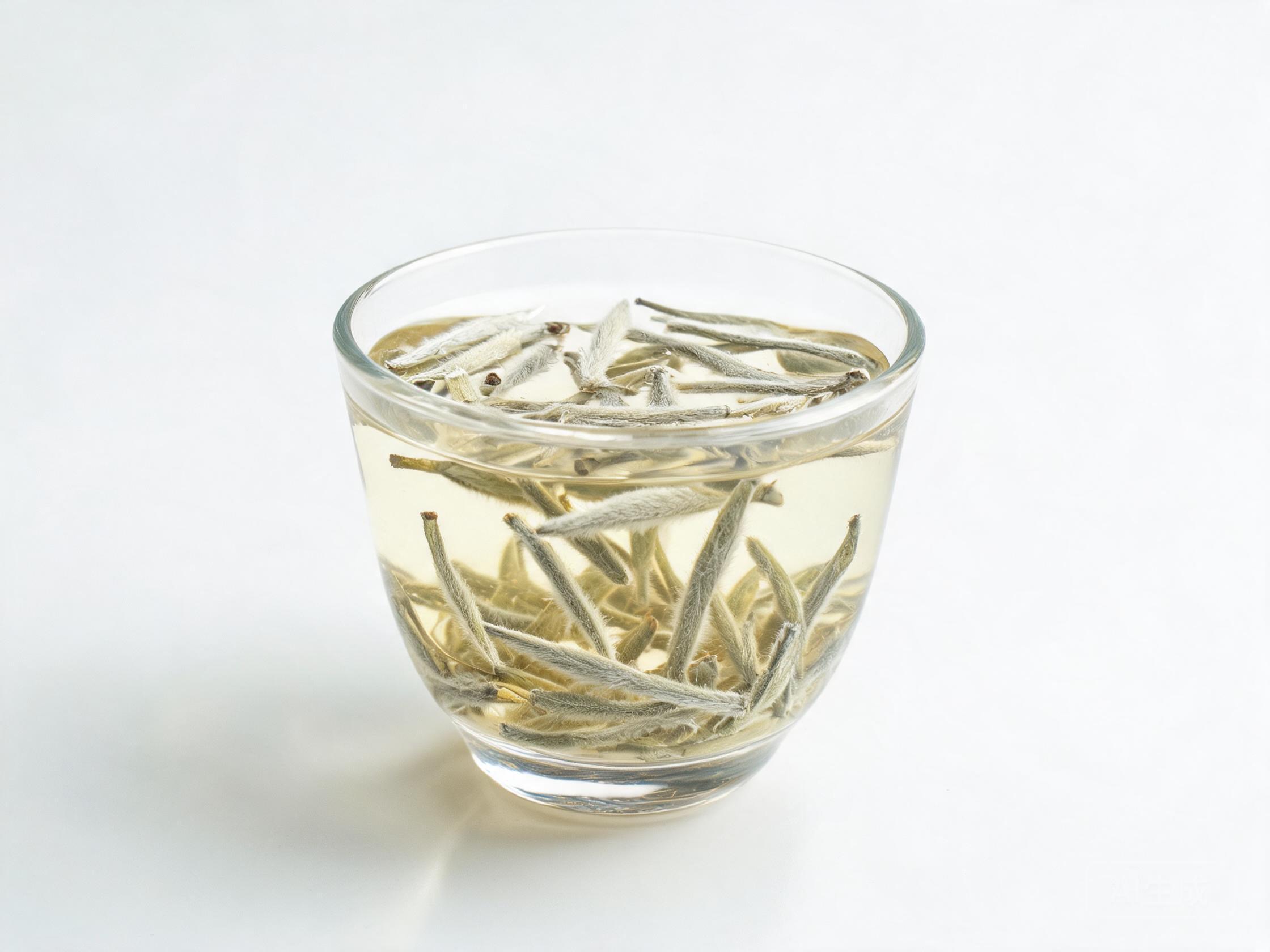
Baihao Yinzhen(白毫银针)is pure downy bud, and it sits at the top of every list there is.
All bud and nothing else gives sweetness, a faint hay note, and very little weight.
Baimudan(白牡丹)takes one bud with two leaves, and the leaf brings body and a thicker finish.
Gongmei(贡眉)and Shoumei(寿眉)use progressively coarser leaf, and the coarsest grades age the best.
Most of it comes from Fuding and Zhenghe in Fujian, and the two towns pick differently.
Fuding favours a plump needle bud, while Zhenghe withers longer and lands a darker, fuller cup.
Grade names describe the leaf rather than the quality, and that distinction misleads almost every new buyer.
A coarse Shoumei from a good year will beat a tired Silver Needle from a poor one.
Age reshuffles the ranking again, because white tea keeps changing for years if it is kept dry.
An aged Shoumei turns dark, sweet and faintly medicinal after 3 to 5 years, nothing like the fresh bud tea.
So the celebrated names here are three grades plus an ageing axis, and that is why the lists broadly agree.
Why they top the lists
A white tea name becomes famous by defining an archetype that other producers then copy.
Silver Needle set the standard for bud teas, and every bud-only tea since gets measured against it.
Influence is what keeps the name on lists even in a year when the tea itself disappoints.
Fame is also a supply story, since Fuding shipped bud tea abroad for more than 100 years.
Export leaves a paper trail, and list makers work from paper rather than from cups.
A small Zhenghe grower making excellent Baimudan has no such trail and no such reputation.
Price follows the name rather than the cup, and the gap is widest at the top of this market.
A famous label at the spring harvest sells for several times an unlabelled lot of the same grade.
Part of that premium is real, because grading and hand sorting cost money.
The rest is pure name, and you cannot tell the two apart by looking at the tin.
The test is straightforward: brew them side by side and see which cup you finish first.
Influence earned the place on the list, and only the drinking can justify the price.
List fatigue
The various ten famous tea lists disagree with each other, and white tea shows that clearly.
Some rank by bud grade, some by region, and a few by how long the name has existed.
A list built on grades puts Silver Needle first every single time.
Lists built by region give equal space to Fuding and Zhenghe, then add Yunnan’s moonlight white.
Yueguangbai(月光白)is made from a broad leaf varietal and tastes nothing like a Fujian bud tea.
Whether it belongs in the category at all is an argument that never quite settles.
Names move because trade moves, and a tea that was cheap a decade ago can now be dear.
Shoumei was packing filler before ageing became fashionable, and old cakes of it now sell seriously.
That churn is healthy, since taste and trade both change and a fixed list would be lying.
Treat any published list as a reading list of archetypes instead of a ranking to memorise.
The version worth keeping is the one you write yourself after drinking through it.
Ten famous names are worth knowing, and your own notes are worth more than all of them.
Trying them without overspending
Sample the famous names in small amounts before committing to a cake or a large tin.
White tea is sold pressed as well as loose, and a 357 g cake is a commitment of years.
Buy 25 g first, brew it three ways, and then decide whether you want more.
A bud tea wants cooler water than most people use, around 85 °C, and a short first infusion.
Boiling water flattens a Silver Needle, and that mistake is the usual reason people call white tea bland.
Shoumei and Gongmei take boiling water happily and even reward a brief simmer.
A workable ratio is 3 g in 150 ml, and it suits every grade in the category.
Buy the grades as a set, one of each, and drink them in order from bud to leaf.
That single session teaches the category faster than any article, this one included.
Their real value is as reference points rather than as trophies on a shelf.
Pay for the education first and the prestige second, and never buy a famous name untested.
Storage matters as much as the purchase, so keep it sealed, dry and away from anything fragrant.