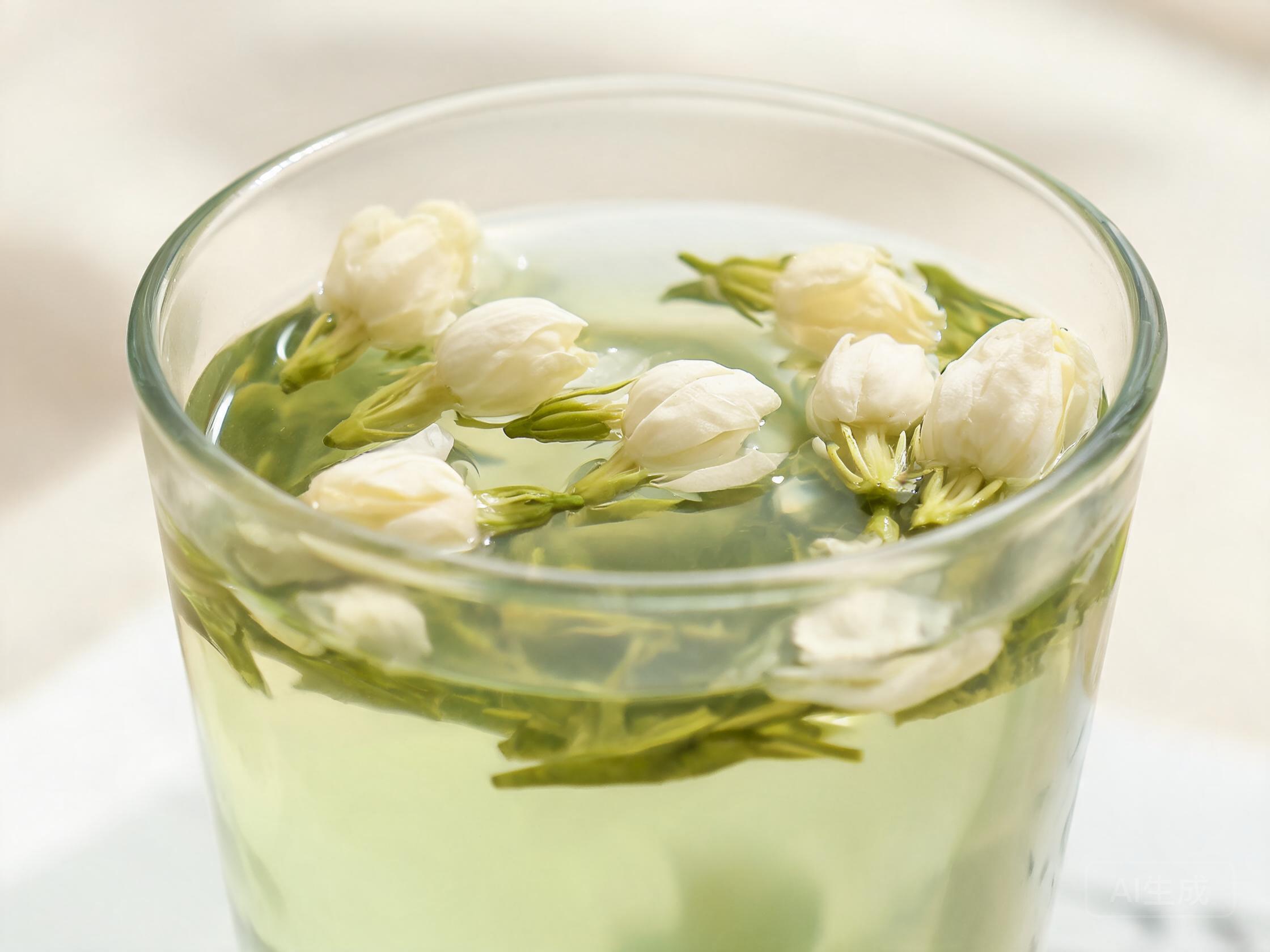
Teas with a documented past
Scented tea has a long record, and it is one of the better documented reprocessing crafts.
Jasmine scenting is documented from the Southern Song, around Fuzhou in Fujian from the 1100s.
The method matured through the Ming and Qing, and Fuzhou jasmine reached the Qing court as tribute.
The layered flower technique is old, and descriptions of it have barely changed.
Fresh blossoms are mixed with a finished leaf, left overnight, then sifted out and replaced.
What has changed is scale, and which city leads the trade.
Fuzhou was the centre for centuries, and Hengxian in Guangxi now handles the bulk of it.
The flowers moved south for cheaper land and a longer growing season.
Pu-erh pressing is the other reprocessing tradition, and it is much younger as a trade.
Compression was a transport decision in Yunnan, and it became a storage strategy later.
Liuan basket tea from Anhui is the roasted one, packed in baskets for the same reason.
Scent, compression and roast, and each has its own date and its own reason.
Three traditions with three reasons, and only one of them is really about flavour.
Why history matters
For reprocessed tea, history explains a puzzle that newcomers always hit.
The technique is applied to a finished tea, so the base and the process have separate histories.
A jasmine tea can be old in craft and new in leaf, and both are true at the same time.
Knowing which history a claim refers to settles most arguments about authenticity here.
The record also says what quality meant before modern production changed it.
Old accounts emphasise freshness of the flower and dryness of the base.
Neither of those is what a modern label advertises, which is usually a round count.
Round count is a modern sales number, running from 3 to 9, and it measures labour rather than result.
That makes the old descriptions more useful for buying than the new ones.
History also explains the geography, since the scenting trade follows the flower harvest.
It moved from Fuzhou to Guangxi for the same reason any industry moves.
Read the record as evidence about technique, and use your nose to judge the result.
Tribute and the record
Fuzhou jasmine reached the Qing court as tribute, and that is where its reputation comes from.
Tribute here meant a small, careful picking sent north, and the record of it is thin.
It proves the craft was valued at court, and it says little about what was sold in the city.
Scant as it is, that connection is why Fuzhou still leads on reputation while Guangxi leads on volume.
Reputation and production separated, and the market still prices the reputation.
Pu-erh pressing has a plainer record, and it was state procurement rather than tribute.
Compressed tea was bought for the frontier, and the shape came from the journey.
Liuan basket tea was packed for the same reason, and its roast is a keeping method.
None of these were made for ceremony, and all of them were made to travel.
Read the record as proof of demand, then judge the cup on its own merits.
A scent that pleased a Qing official has no obligation to please you.
The useful part is knowing why the process exists at all.
Everything else about the category follows on from that.
A caveat
Reprocessed tea borrows history in a specific way, by attaching the oldest date it can find.
A jasmine tea sold as a Song dynasty recipe is usually describing a technique rather than a product.
The technique is old and the tea is new, and the label lets you confuse the two.
The reliable claim names a document and a place, and the vague one names a dynasty.
Watch for fragrance claims, since modern scenting can use oil instead of flowers.
That is a process change rather than a historical one, and it damages the cup far more.
Age claims on scented tea should be ignored entirely.
The scent fades, and a famous jasmine kept for years is only the base leaf.
Buy 25 g before believing any of it, and smell the dry leaf before you brew it within 12 months.
Check the citation rather than the mood, and treat an unverifiable date as decoration.
A seller with a real source names it without being asked twice.
That test takes 10 seconds, and it works on jasmine better than on anything else.