The control points
Reprocessed tea adds a second process on top of a finished one, and the control points are different.
Base tea moisture is first, since leaf that is too dry absorbs nothing and leaf that is too wet spoils.
Most producers dry the base again to around 4 or 5 per cent before any flower goes near it.
Flower timing is second, and jasmine buds are picked in the afternoon while they are still closed.
They open after dark, which is when the scent is released, and the heap has to be ready for that.
Ratio is third, and traditional work runs 30 to 40 kilos of flower for every 100 kilos of leaf.
Heap temperature is fourth, and it is the one that decides whether the night succeeds or fails.
As the flowers open the heap warms, and it is held between 40°C and 48°C by turning it.
Rounds are fifth, with 3 rounds at the low end and 9 at the top of the traditional range.
Final drying is last, and it has to remove the moisture the flowers added without driving off the aroma.
Six points over several nights, and the flowers set a schedule that nobody can negotiate with.
Why they matter
These points matter because scenting is absorption, and absorption has a narrow window.
Leaf takes up aroma best when it is dry and slightly warm, and it stops taking it up once it is damp.
The flowers give off most of their scent in the first few hours after opening, and then they are spent.
Miss that window and the round is wasted, whatever the ratio was.
Temperature is the sharpest risk, since a heap that passes 50°C begins to cook the flowers.
A cooked heap smells stewed rather than floral, and the fault carries into the finished tea.
A heap that stays too cool does not open the flowers at all, and the round does almost nothing.
Drying between rounds is where most industrial scenting loses ground, since heat removes aroma as well as water.
The best producers dry gently and slowly, accepting a longer schedule to keep what they have gained.
Final moisture matters for storage, and a scented tea above 8 per cent goes flat within a year.
So the process is a race between getting the aroma in and keeping it there afterwards.
Signs of trouble
The clearest fault in reprocessed tea is an aroma that does not survive the first infusion.
It smells strong in the bag and disappears in the cup, which means the scent was applied rather than absorbed.
Added essential oil is the usual cause, and it announces itself with a sharp perfumed edge.
A stewed or slightly sour smell means the heap ran too hot during the night.
A dull flat cup with no flower character at all means the rounds were too few or the ratio was cut.
A musty note means the final drying was insufficient, and it will get worse rather than better.
A base that tastes thin and papery underneath the flower is a material problem, not a process one.
Broken leaf and dust suggest a cheap base, since scenting is often used to sell material that cannot stand alone.
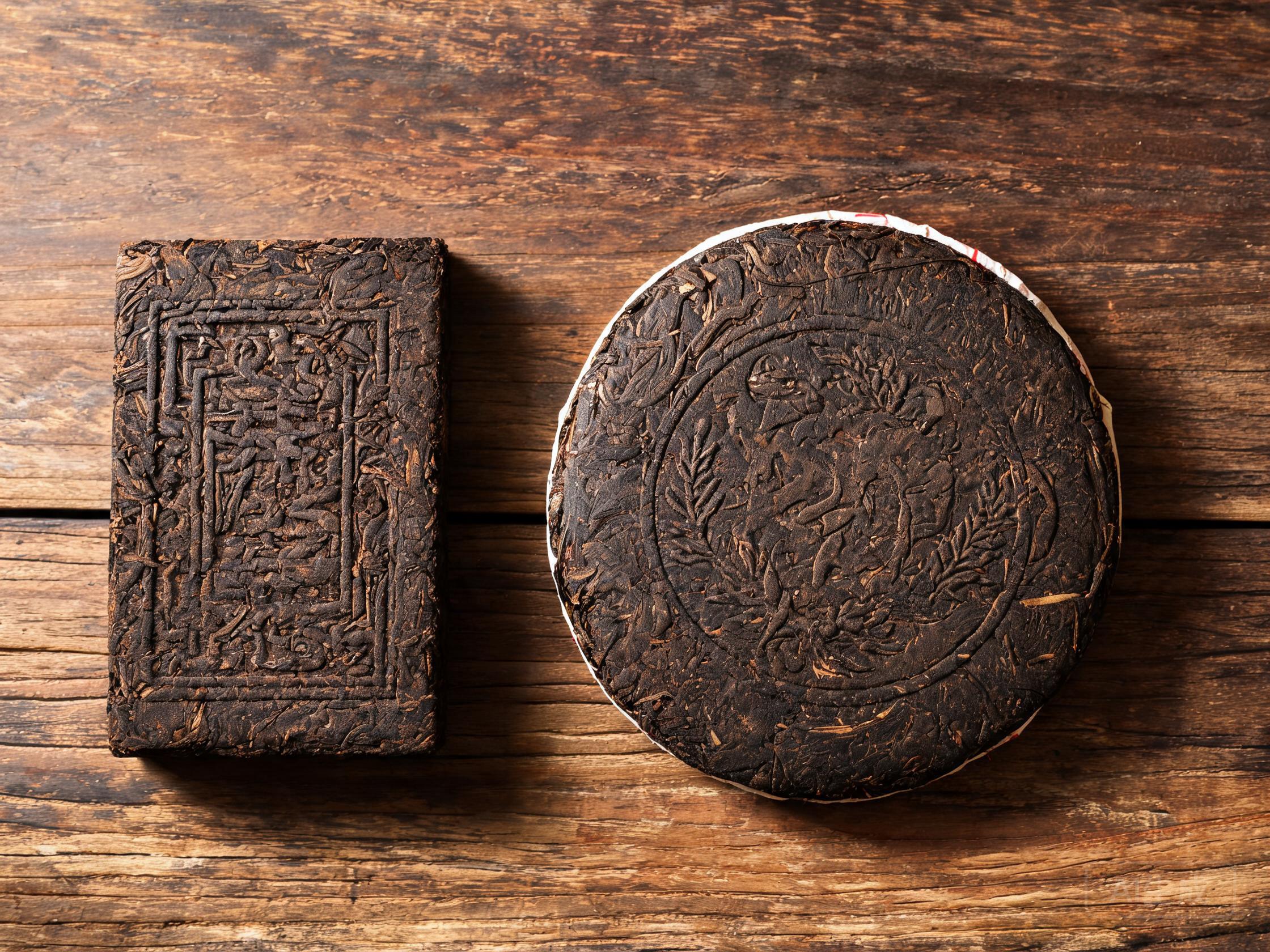
For compressed products, a damp or cellar smell is a storage failure and nothing to do with the scenting.
Test every scented tea at the fourth infusion, where the difference between absorbed and applied shows.
Real scenting is still there at that point, and cheap scenting has nothing left to give.
Holding the standard
Holding the standard here means holding a schedule, because the flowers will not wait for the workshop.
Large producers coordinate with flower growers by the hour, and the leaf is prepared the same morning.
Heap temperature is logged through the night, either by probes or by a worker checking every 2 hours.
The turning schedule is written down, and it is the record that separates traditional work from guesswork.
Rounds and ratio are the two numbers a buyer should ask for, and both are easy to state honestly.
A producer who has done 9 rounds will say so, and one who has done 3 will usually say traditional instead.
Base tea source is the other thing to hold, since switching it changes the finished tea without changing the name.
Good producers buy their base from the same gardens each year for exactly this reason.
Cupping against the previous year’s sample is how the standard is checked before the tea is released.
Buyers can do the same by keeping a sample, since the difference between 2 years shows in the cup.
Where the aroma holds to the fourth infusion in both, the schedule is being held.