Teas named by place
Reprocessed tea is defined by where the flowers and the base meet, and that is 2 geographies.
Jasmine tea centres on Hengxian in Guangxi, which handles the bulk of the crop.
Fuzhou in Fujian is the historic centre, and Qianwei in Sichuan is the third.
Fuzhou still holds the reputation, Hengxian holds the volume, and the gap is the story.
Osmanthus oolong comes from Guangxi and from Taiwan, where the flower is handled differently.
Guangxi dries it into the leaf, and Taiwan often blends it in after the roast.
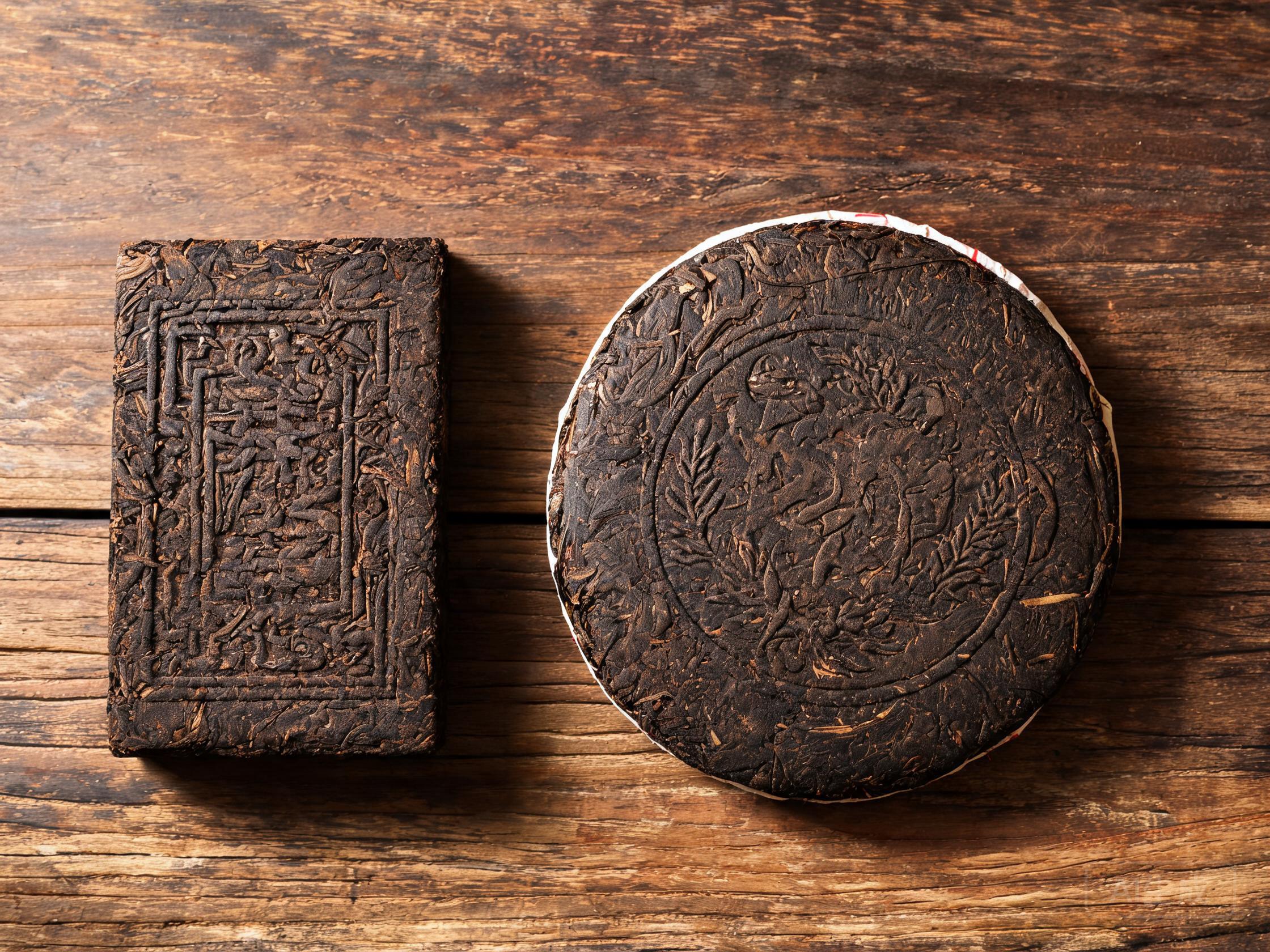
Compressed aged white and pu-erh follow their base region rather than the process.
A jasmine tea is often a Fujian base scented in Guangxi, and the label names only one of those.
That is the structural reason provenance is harder to read in this category.
Three centres, two flowers, and a base leaf from somewhere else entirely.
Asking only where a tea was scented tells you half of what you need.
Ask where the base grew as well, and the picture usually changes.
Why region matters
Region matters here in a way that surprises people, because the flowers are the local part.
Jasmine opens in the evening and has to reach the leaf within hours.
That is why the scenting factories sit beside the flower fields rather than near the tea.
Hengxian’s climate gives a longer season and a cheaper flower, and the industry followed it.
Fuzhou’s smaller fields now supply the premium end, and the price reflects that.
The base leaf is the other geography, and it decides body, sweetness and how long the scent lasts.
A weak base loses its fragrance within a year, and a strong one holds it for several.
A region earns its name by setting the standard, and Fuzhou did that for jasmine.
That reputation has outlasted most of the production moving away, which is the usual pattern.
What the name buys you is a claim about care more than about place.
It is worth checking, and it is worth less than smelling the tea.
Your nose settles this question faster than any document can.
A flower field and a tea garden rarely sit in the same county, and that is the whole puzzle.
When regions cross borders
Reprocessed tea crosses borders by design, since the process is separable from the growing.
Any base can be scented anywhere, and the result is honestly a scented tea.
The borrowing happens when a regional name is used for a process rather than for a place.
Fuzhou jasmine made from Guangxi leaf and Guangxi flowers is a different product.
It may be excellent, and the label should still say what it is.
For honest buying, the region should name where the leaf grew and where the scenting happened.
Those are two answers, and a seller with either one is ahead of most of the market.
Ask whether the scent came from flowers or from oil, which matters more than either place.
Oil scenting is cheaper and easy to detect, and it removes the region question altogether.
Pressed pu-erh is the other case, and it follows its base region honestly most of the time.
That is the one part of this category where provenance is straightforward.
Everything else needs two answers instead of one.
How to choose among them
Choosing among reprocessed teas means choosing the flower before the region.
Jasmine for the classic, osmanthus for something rounder, chrysanthemum for a blend.
Rose is the fourth, and it is the one most often sprayed rather than layered.
Once the flower is chosen, the base grade decides most of what is left.
A bud base is delicate and light, and a leaf base carries the scent more plainly.
Buy 25 g of two bases of the same flower, and that comparison teaches the whole category.
Brew both at 85 °C with 3 g in 150 ml, and keep the first infusion to about 1 minute.
Smell the dry leaf first, since a sprayed tea gives itself away before the water arrives.
Regions come after that, and Fuzhou versus Hengxian is the main decision available.
The price difference is real, and the cup difference is smaller than the label suggests.
Go one level down at a time, and keep buying by nose rather than by name.
Scented tea is the one category where the process tells you more than the map does.
Two flowers, two bases, one session, and the category stops being confusing.