Before you buy Reprocessed tea
Reprocessed tea covers two things that have almost nothing in common: tea scented with flowers, and tea pressed into shapes.
Treat them as two separate purchases, because what you check on one tells you nothing about the other.
For scented tea, the question is how many rounds of scenting it received. Three is ordinary, seven is good, and nine is rare.
For compressed tea, the question is what the base leaf was and where it has been since. Age comes a distant second.
Decide which half you are shopping for before you read any listings, because the two are sold in the same shops and described in the same language.
If you are unsure, buy scented tea. It is cheaper to learn on, and it goes stale slowly enough to forgive a mistake.
Both halves share one problem: a wrapper that tells you a story instead of a date.
Step 1: judge the leaf
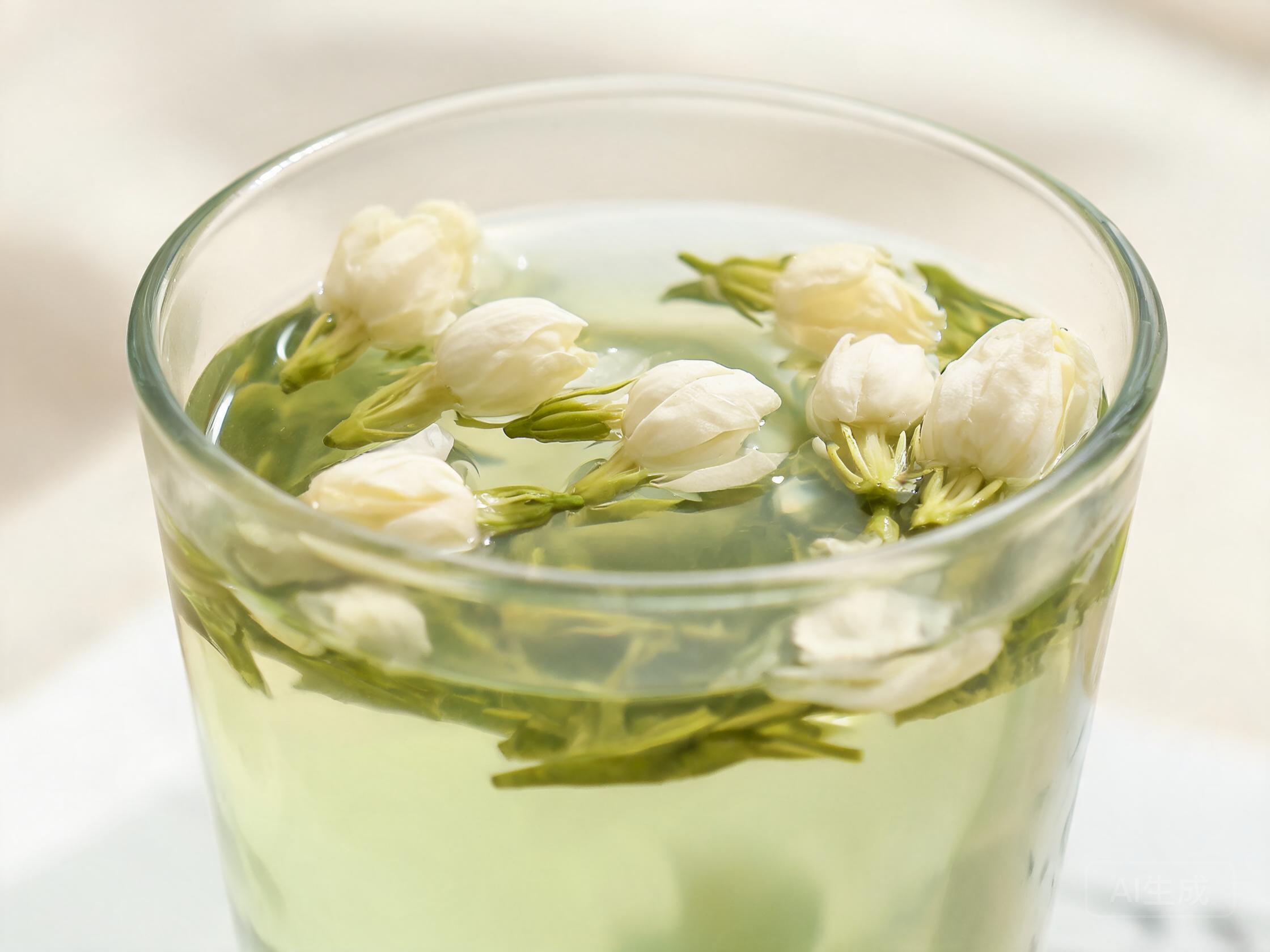
For jasmine, look at how much flower is left in the leaf. A little dried petal is normal, and a lot of it means the flowers were never sifted out.
Good jasmine has almost no visible flower, because it is removed after each round. The aroma belongs in the leaf, not next to it.
Smell it. Scented with real flowers, the aroma is soft and slightly sweet. Sprayed with oil, it is sharp and perfume-like, and it fades within a week of opening.
For compressed tea, look at the whole cake. The surface should be even, with a mix of buds and leaf rather than a uniform dust.
Break off a corner if you can. The interior should match the surface, and a darker or dustier middle means the good leaf was laid on top.
Smell the broken edge rather than the wrapper. Musty, damp or fishy notes are all reasons to put it back.
Step 2: buy small first
For jasmine, buy 50 grams. The aroma peaks within about six months of scenting, and a large bag is past its best before you reach the bottom.
For compressed tea, buy a sample, then a cake. Samples are cheap, and they are the only honest way to compare factories.
Sample three cakes before committing to one. The differences between producers are larger than the differences within a single producer.
Do not buy a whole cake because the wrapper looks good. Wrappers are printed in the thousands, and they say nothing about the leaf.
Try a young and an aged version from the same factory if they have both. That comparison teaches the category faster than anything else.
Keep notes on what you paid and what it tasted like. Reprocessed tea is the category where one name covers the widest range of quality.
Step 3: check storage and source
Ask for the scenting date on jasmine rather than the packing date. Scenting happens in summer, and everything else on the packet is later.
Ask for the factory and the year on compressed tea. Menghai, Xiaguan and Kunming are names with real weight, and there are many near misses.
Storage is most of the story for aged compressed tea. Dry storage in Kunming and humid storage in Guangdong produce genuinely different tea.
Ask where it has been kept since pressing, and how long the seller has had it. Two honest answers are worth more than any certificate.
Loose compressed tea sold as aged is the riskiest thing in this category, because there is no cake to verify and no interior to check.
Any white bloom on a cake should be checked before you buy. Some of it is harmless and some of it is mould, and telling them apart takes experience.
Step 4: pay for the leaf, not the story
In scented tea, the number of rounds is the honest measure, and it is the number sellers are most willing to invent.
A seven round jasmine costs several times a three round one, and the difference is obvious in the cup. Nine rounds is where the returns start to shrink.
In compressed tea, pay for the factory and the storage record before you pay for age. A 1990s cake of unknown provenance is a gamble, not a purchase.
Compare the same year from two factories. That comparison tells you whether the year or the maker did the work.
Ignore vintage claims that come without a pressing date. Pressed white and pu-erh cakes are often sold years older than the format itself.
If the price rests on who supposedly owned the cake, walk away. That is the least verifiable claim in all of tea.