The map
Reprocessed tea has no core growing region, and its cores are defined by the second process instead.
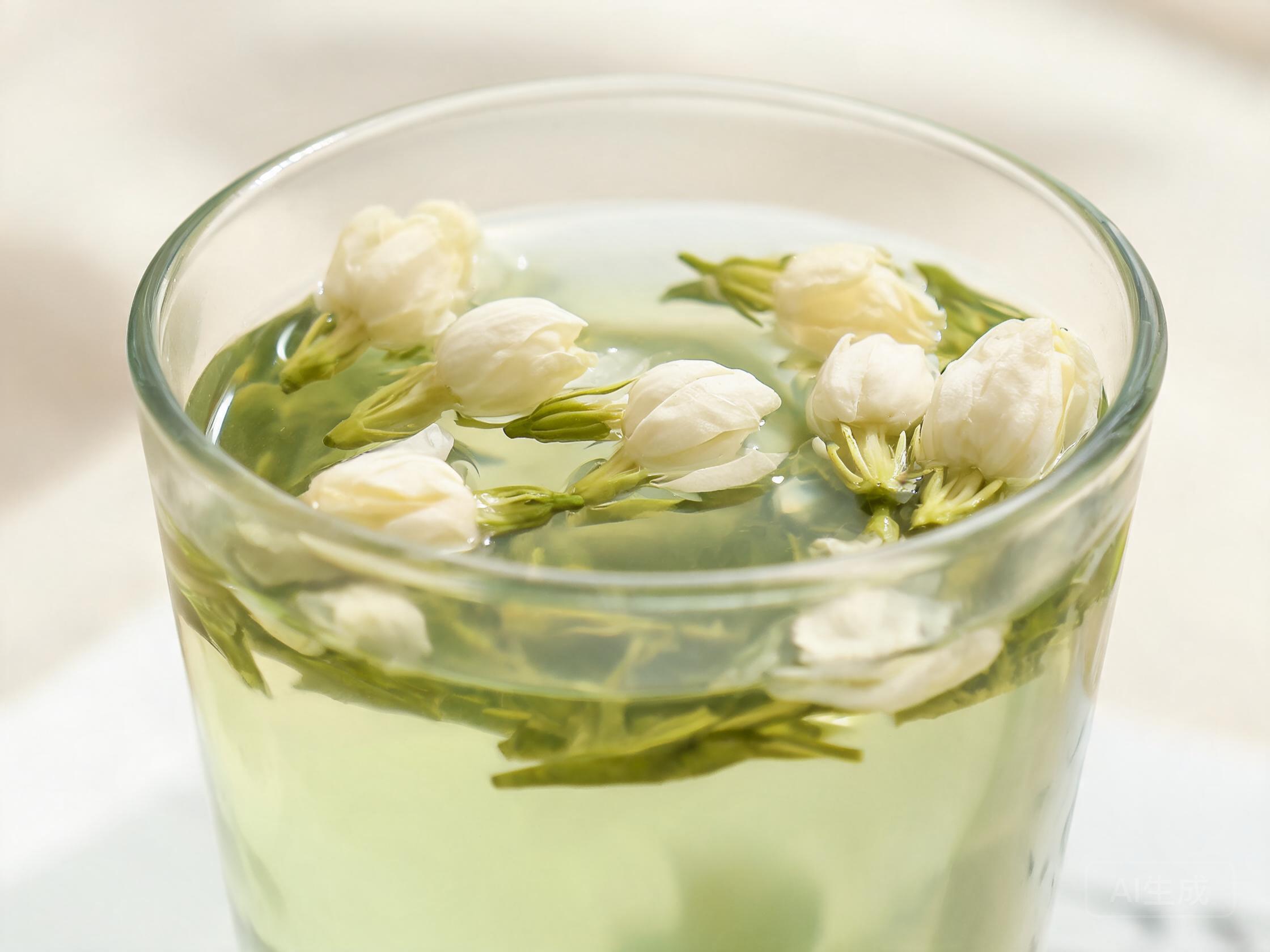
Hengxian in Guangxi is the first, and it is the jasmine capital of the country, with local figures putting it above 60 percent of national output.
It grows the flowers and scents the tea, which makes it unusual among supply regions.
Fujian is the second, and it contributes the base leaf as well as the re-roasting tradition.
Fuzhou was the original scenting centre, and the skill there is older than the industry in Hengxian.
Fujian also supplies the oolong that gets re-roasted and sold as aged or traditional.
Yunnan is the third, and it supplies the dark tea that gets compressed into cakes.
Menghai is where most of that pressing happens, and it has become a core in its own right.
Xinhui in Guangdong is a fourth, supplying the tangerine peel used for gan pu tea.
Each core is a place where something is done to leaf rather than a place where leaf grew.
That is the whole logic of the category, and the map makes no sense until you accept it.
Tradition behind each
The tradition in each core is a working method rather than a growing one, and that shapes everything.
Hengxian’s tradition is night scenting, where leaf and flowers are heaped together and watched until dawn.
The work is seasonal and intense, running from June into October while the flowers are available, and one scenting lasts 10 to 12 hours.
Fuzhou’s tradition is the same in outline, but the older workshops there scent in smaller heaps and more rounds.
That practice is nearly gone, since the cost of labour made it uncompetitive decades ago, and the heaps run to 100 kilos or less.
Fujian’s re-roasting tradition is about age, and it exists because oolong was stored rather than sold.
Re-roasting refreshes it, and the practice predates the modern market for aged tea, which sells 5 or 10 year old leaf, by a century.
Yunnan’s pressing tradition comes from the trade caravans, which needed a form that travelled.
Compression solved that problem, and the cake is now the standard form for anything meant to be kept.
Xinhui’s tradition is the peel, and the district has been drying citrus for generations.
Each of those is a separate craft that happened to end up in the same category.
Why they matter to you
These cores matter to a buyer because they tell you which process you are paying for.
A Hengxian jasmine tea should smell of flower at the 4th infusion, and a chamber scented one will not.
That test is cheap and reliable, and it is the only way to check the claim.
A Fujian re-roasted oolong should taste deeper and rounder than a fresh one, with no harshness.
If it tastes flat or hollow, the roasting was used to cover something rather than to improve it.
A Yunnan compressed product should have a clean smell and a leaf you can identify once it is broken open.
For gan pu, the Xinhui name carries the value, since peel from elsewhere ages differently.
Check for visible oil glands in the peel, which is the one reliable field test available.
None of these cores tells you anything about the base leaf, which is the biggest gap in the labelling.
A good tea from Hengxian and a poor one can share the same name and the same process.
Ask about the base, and then check it by brewing past the point where the flower has gone.
Beyond the core
Beyond the cores, reprocessed tea is made wherever there is a base leaf and a flower available.
Vietnam and Thailand scent jasmine into their own green tea, and the results are sold cheaply.
Sichuan and Guangxi both produce scented tea outside Hengxian, using the same flowers.
Much of it is competent, and a buyer drinking it at work will not be disappointed.
Compression happens far more widely than Yunnan, and cakes are pressed in Guangdong and elsewhere.
Peel for gan pu is grown well beyond Xinhui, and the substitution is routine at every price level.
That is the commonest fraud in the category, and it is hard to detect once the fruit has been filled.
The honest version is sold by the growing district of the peel, and the dishonest one simply says citrus.
Essential oil is the other shortcut, and it produces an aroma that arrives fast and leaves faster.
Brew to the 4th infusion and the difference between real and applied scenting is unmistakable.
Buy outside the cores knowingly, and pay the premium only when you can check the claim.