What impresses in Reprocessed tea
Reprocessed tea offers two gift options that suit very different people, and picking the wrong one wastes the money.
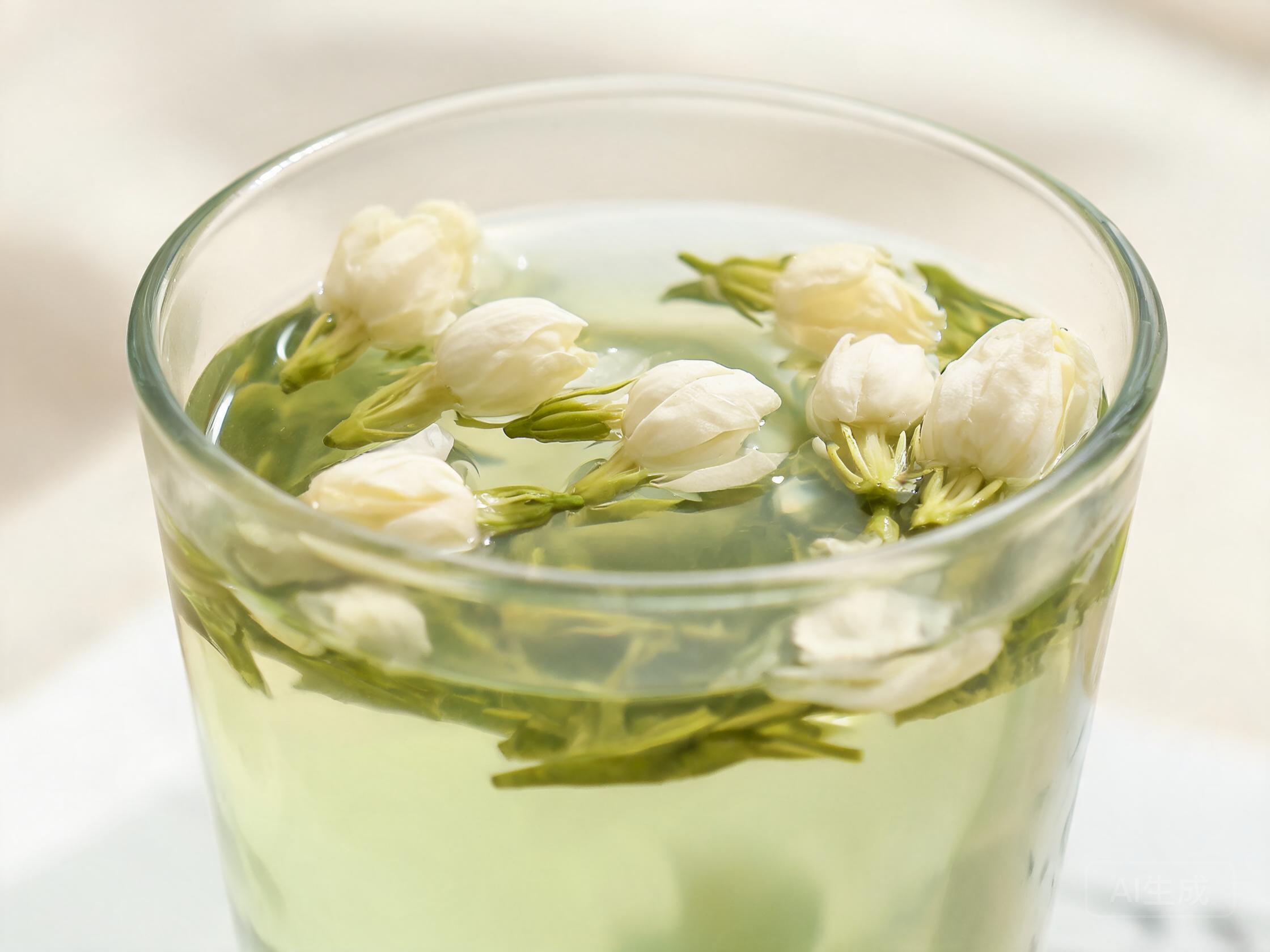
A jasmine tea is the safer gift. It smells extraordinary the moment the packet is opened, and it needs no explanation.
A compressed cake is the more impressive object, and it is the right gift for someone who already drinks tea seriously.
For jasmine, buy the highest number of scenting rounds you can afford. Seven rounds is noticeably better than three.
Cakes should come from a known factory with a printed recipe number. It looks technical and it is the honest way to buy.
Buy 50 grams of jasmine or one cake, not both. The two gifts say different things about what you think of the recipient.
Pressed cakes look like objects rather than food, which is why they succeed as presents where loose tea sometimes does not.
Mention the number of rounds or the factory name when you give it. That detail turns a gift into a considered one.
What impresses here is specificity. A named jasmine with seven rounds beats an unknown cake with a nice wrapper.
A standard cake weighs 357 grams, and at 7 grams a session that is about 50 cups from one object.
Packaging that works
Jasmine should be sealed and opaque, and given soon after you buy it. The aroma is the gift and it does not last.
A cake needs only its original wrapper, which is designed for exactly this purpose and keeps for years.
Do not repackage a cake. The wrapper carries the year and the factory, and removing it destroys much of the value.
For jasmine, include a brewing note at around 85 degrees. Boiling water makes it bitter and most people will not know.
For a cake, include a note about breaking it, or the recipient will use a kitchen knife and make dust.
Keep jasmine away from the cake in transit. Scented leaf perfumes anything it travels beside.
Cakes are heavy and hard, so post them in a rigid box with padding, because the edges chip.
A presentation box for a cake costs very little and makes it look like a proper present.
Label loose jasmine with the scenting date if the seller knows it, since the aroma peaks within about six months.
Fifty grams of jasmine at 3 grams a cup is roughly 16 cups, which is a fortnight of daily drinking.
Matching the occasion
For a newcomer, give jasmine. It needs no equipment, no knowledge and no patience, and it is immediately pleasant.
For an enthusiast, give a cake from a documented factory recipe, with the year written down.
For a host, jasmine is the better choice, because it smells good in a room and brews in a pot without fuss.
For a colleague, 50 grams of jasmine is a safe and inexpensive gesture.
For a wedding or a milestone, a cake is the right format. It is something to keep, and the year makes it personal.
A green tea drinker will take to jasmine at once. It is the natural next step and an easy sell.
For someone who already collects pu-erh, do not give a cake unless you know what they have. They will have opinions.
For a thank you, give jasmine. For a significant birthday, give a cake. That is the whole rule.
If you know nothing about their taste, jasmine is the safer of the two by a wide margin.
What to avoid
A cake with no factory mark is the wrong thing to give. Unmarked cakes are cheap for a reason.
Avoid jasmine that has been open on a shop shelf for months. It will have lost most of what you paid for.
Avoid anything sold as a decades-old cake at a modest price. That market is where the fakes are concentrated.
Jasmine pearls are wasted on anyone who will not brew them properly. They need room to open and most mugs give none.
Avoid flavoured or oil-sprayed jasmine, which smells sharp and fades within weeks of opening.
A cake is the wrong gift for a small flat. It needs air and a stable room, not a kitchen cupboard.
Avoid gift sets that include a cake, a knife and a scale. They are selling equipment rather than tea.
Never give a cake you cannot describe. If you cannot say what it is, the recipient cannot either.
The thing to avoid is buying the most expensive cake in the shop on the assumption that it must be the best gift.