The trap to know
The trap with reprocessed tea starts with the name, which covers two completely different things with opposite requirements.
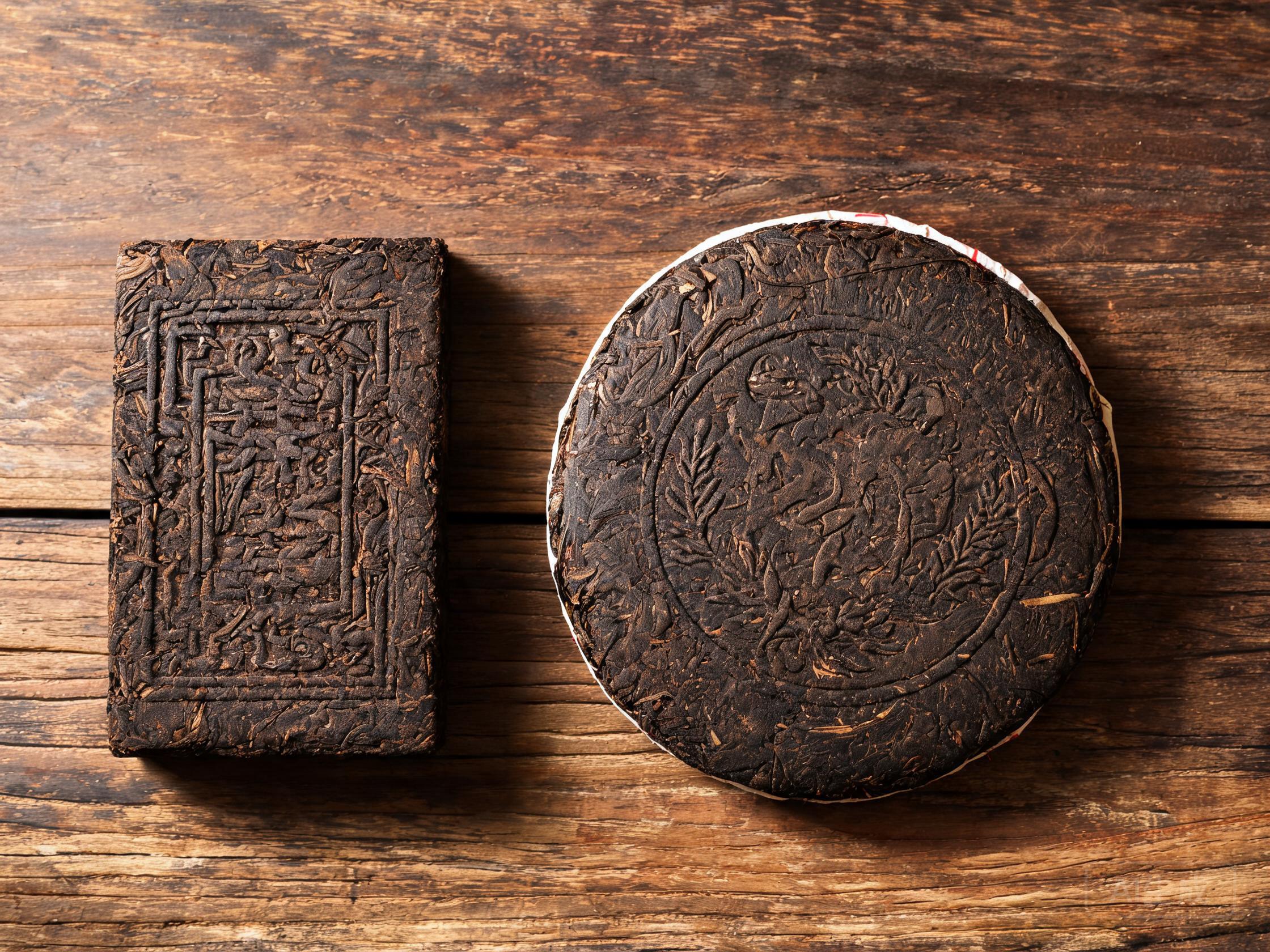
Scented tea is a green or white base worked through with flowers. Compressed tea is a dark tea pressed into shape.
The trap is buying one while thinking you are buying the other, and it happens constantly because both are sold as reprocessed tea.
It matters because scented tea wants 85 degrees and compressed tea wants 100, and the two age in opposite directions.
Scented tea fades, and compressed tea is expected to change. Buying the wrong one for your purpose wastes the money either way.
Identifying which you have takes about five seconds and prevents most of the problems in this category.
A third group exists as well: compressed scented teas, which carry petals and are brewed like the compressed half at a full boil.
They are the easiest of all to misjudge, because the petals suggest the scented rules while the compression requires the opposite.
Check the grade claim
For jasmine, the number of scenting rounds is the grade, and it is the number that actually matters.
Each round means a fresh batch of flowers was worked through the leaf overnight. 3 rounds is ordinary, 7 is good, and 9 is rare.
Most tea sold as jasmine has been scented once or twice, and a great deal of it is sprayed with jasmine oil instead.
Oil-scented tea smells strong in the bag and disappears in the cup. That is the test, and it is reliable.
For compressed tea the checks are the same as for dark tea: factory, year and region. Note them separately in your own records.
A jasmine priced the same as the base green tea it was made from has not been scented seven times.
For osmanthus and other flowerings the same logic applies. Ask how many rounds, and expect the number to be low.
A scented tea that lists flowers as an ingredient rather than a process has almost certainly been sprayed.
Smell before you pay
Smell separates a genuinely scented tea from an oil-scented one, and it separates both from a compressed tea.
A properly scented jasmine smells sweet and floral without being perfumed. It should smell like flowers, not like soap.
An oil-scented tea smells sharp and slightly chemical, and the smell fades after the first steep.
Compressed tea smells earthy, woody or faintly sweet, and never floral. If a compressed cake smells of jasmine, it has been sitting next to one.
Scented tea should lose its aroma by the 4th or 5th steep. If it does not, something has been added.
Ask to smell the dry leaf from an open bag rather than a sealed sample. Sealed samples are chosen for a reason.
Smell the empty cup after the first steep. A genuinely scented tea leaves a clean floral note, and an oil-scented one leaves something closer to perfume.
For compressed tea, smell the rinse water instead. It carries the storage history far more clearly than the dry leaf does.
Trust storage over label
The two halves need opposite storage, which is the sharpest thing about this category.
Scented tea should be sealed, cool and drunk within about 12 months. The aroma is the product and it does not last.
Compressed tea should breathe slightly, around 60 to 70 percent humidity, and it is expected to change over years.
Storing them together ruins both. The cake takes on the jasmine, and the jasmine goes flat.
Buy scented tea in small quantities and often. Buy compressed tea the way you would buy dark tea, from someone with a storage history.
The rule that saves the most trouble: label which half it is the day you buy it, because the packet will not remind you.
Keep scented tea away from anything with a smell, including the compressed half. It will pick up both.
Buy scented tea loose and in small amounts, so you can see the leaf and finish it before it fades.
If a shop keeps jasmine in the same display case as pu-erh, buy your jasmine somewhere else.
The category is not difficult once the halves are separated. It only seems unreliable while you are still treating it as one thing.