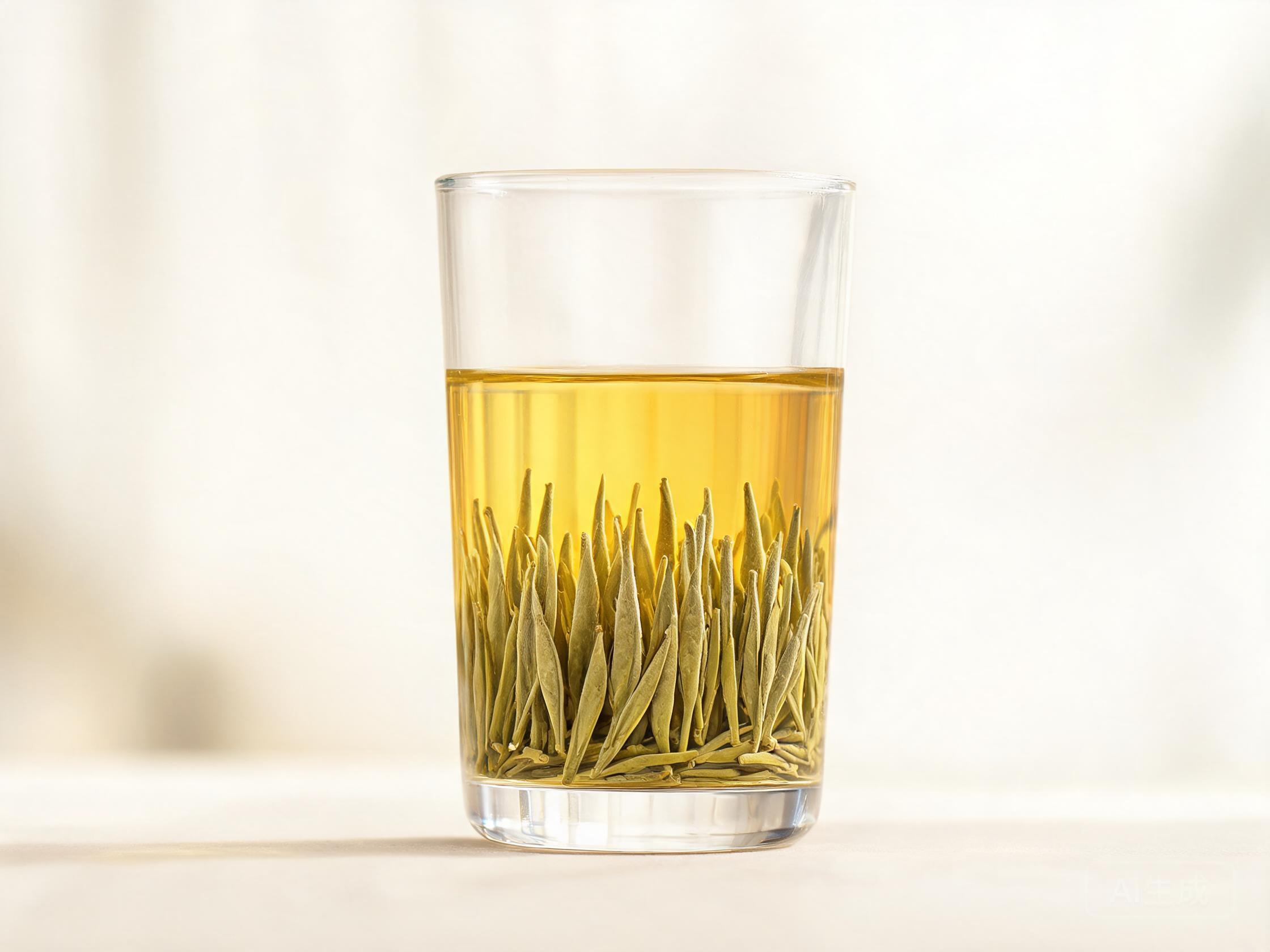
The one step
The defining step for yellow tea is the yellowing hold, men huang(闷黄), and nothing else in tea resembles it.
After fixing, the warm leaf is wrapped in cloth or heaped in a covered pile while it is still hot.
It is held there, without drying, for anywhere from 6 hours to 3 days depending on the style.
During the hold the leaf turns from green to yellow and the smell changes from grassy to something sweet.
What makes it unusual is that it is a slow, warm, damp wait rather than a treatment.
No heat is applied after the initial fixing, and no water is added either.
The leaf simply sits with its own residual heat and moisture and changes gradually.
Green tea is dried immediately after fixing, which is the only real difference between the two.
That one difference produces a softer, sweeter tea with none of the green edge.
Drying afterwards finishes the tea, and it has to be gentle enough not to undo the hold.
The step is small, quiet and almost invisible, and it is the entire category.
Why it defines the tea
The hold defines yellow tea because it is the only step the category has that green tea does not.
The two share plucking standards, fixing, rolling and drying almost exactly.
The difference is a few hours or days of waiting between fixing and drying.
That is a small enough difference that it is frequently skipped, which is why so much yellow tea is green tea.
The result when it is done is unmistakable in the cup, since the raw grassy edge is gone entirely.
What replaces it is a soft sweetness and a warmer smell that no green tea produces.
The step also explains why the category never scaled, because it needs time and space for no visible output.
A factory can fix and dry leaf in a day, or hold it for 2 days and produce a fraction of the volume.
Every attempt to industrialise it has produced colour without flavour, which is the honest test.
So the step is what makes the category, and it is also what keeps it small.
Those two facts are the same fact, and they explain the price better than any marketing does.
What it takes
What the hold takes is judgement, because there is no moment when it announces that it is finished.
Temperature is the first condition, and most makers work between 35°C and 45°C.
Below 30°C very little happens however long the leaf is left, and it simply cools down.
Above 50°C the leaf begins to sour instead of yellowing, and the batch is lost.
Moisture is the second condition, and leaf held above 25 per cent tends to sour before it sweetens.
The leaf’s own moisture after fixing is usually enough, which is why no water is added.
Covering is the third, since the hold depends on keeping both heat and moisture in.
Leaf left uncovered dries from the outside while the inside is still green, and the result is uneven.
Some styles turn the heap part way through, which releases heat and evens things out.
The end is judged by smell, and a maker opens the cloth to check it several times a day.
That decision cannot be reduced to a number, which is why machines have not replaced it.
A caveat
The hold cannot rescue poor leaf, and in yellow tea the material is unusually demanding.
Nearly every tea in the category is a bud grade, and a bud pluck is expensive and slow.
A picker gathers perhaps 500 grams of finished tea in a day, which sets a floor under the price.
Coarser material can be held, and it will yellow, but it will not produce the sweetness the category promises.
Huang Da Cha is the exception and tastes toasty and strong rather than sweet, which is the honest version.
Old leaf, or leaf from a late picking, has less of the material the hold acts on.
The result is a tea that has yellowed without gaining anything, and it tastes like weak green tea.
Over-fixing before the hold destroys the same material, and no length of holding brings it back.
That is why cheap yellow tea is almost always under-yellowed rather than badly stored.
Buyers should test it beside a green tea of similar grade, and the difference should be obvious.
If it is not, the hold was shortened, and the leaf was never going to be rescued by it anyway.