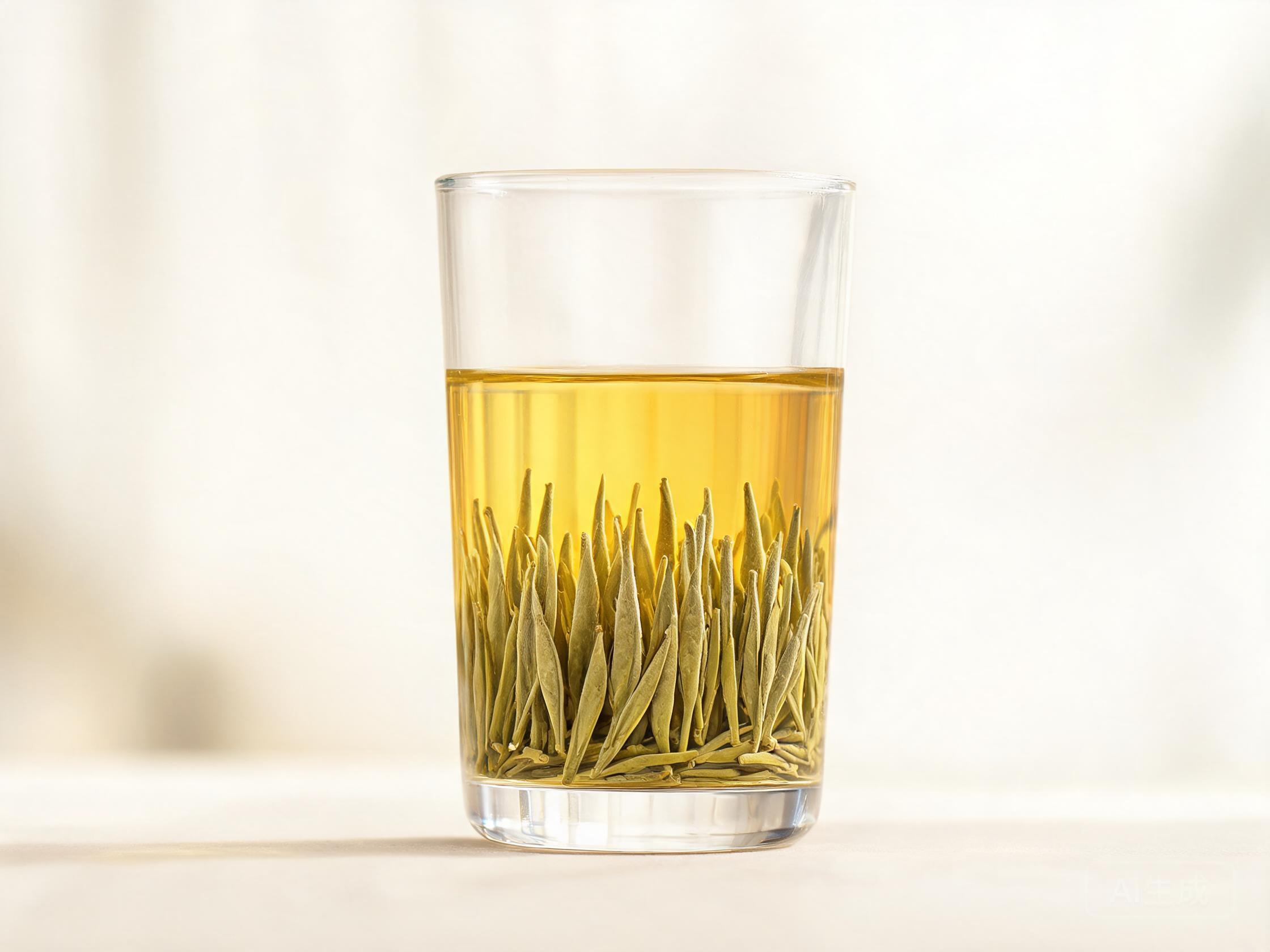
The control points
Yellow tea has one control point that defines the category, and several that support it.
Picking is first, and it is a bud standard for nearly every tea in this group.
Fixing is second, and it is done at a lower temperature than for green tea.
A drum at around 120°C kills enough enzyme activity to stop the leaf going green without cooking it.
The yellowing hold, men huang(闷黄), is third and is the point the whole category rests on.
Warm leaf is wrapped or heaped and held, usually between 35°C and 45°C.
Duration is the control, running from 6 hours to 3 days depending on the style and the maker.
Moisture during the hold is the fourth point, and it decides whether the leaf sweetens or sours.
Some styles turn the leaf part way through, which releases heat and evens out the result.
Drying is fifth, done gently in two stages, and it has to finish the tea without undoing the hold.
Final moisture should land near 5 per cent, which is the same target most green tea aims for.
Why they matter
These points matter because the hold is a slow chemical change with no clear visible end point.
The leaf turns from green to yellow and the smell moves from grass toward something sweet and warm.
Both are gradual, and a maker has to decide the end by smell rather than by looking.
Hold it too briefly and the tea is a green tea with a yellow name, the commonest outcome.
Keep it too long and the leaf sours, and sour yellow tea is unsellable at any price.
Temperature drives the rate, and 5°C of difference can halve or double the time needed.
Moisture drives the direction, and leaf held above 25 per cent tends to sour before it sweetens.
Wrapping matters because it holds both heat and water in, which is the entire mechanism of the step.
Leaf left uncovered dries out instead of yellowing, and the hold simply does not happen.
The supporting points matter because the leaf arrives at the hold in a state that limits what it can do.
Fixed too hot, it has nothing left to change, and no amount of holding brings the sweetness back.
Signs of trouble
The first sign of trouble in yellow tea is that it tastes like a green tea, and most of it does.
A grassy edge and a green liquor mean the hold was too short or the temperature too low.
Sourness in the cup means the leaf was held too wet, and it is the fault that ruins a batch outright.
A grey coloured dry leaf means the hold went wrong, or the final drying was too hot.
A dull, flat taste with no sweetness means the tea was machine yellowed rather than held properly.
Colour alone can be produced by machines, which is why judging by the liquor is not enough.
Uneven colour among the buds means the heap was not turned, so some leaf yellowed and some did not.
A brittle leaf that crushes to dust was over dried, and it brews thin however long it is given.
Taste it beside a green tea of similar grade, and the difference should be obvious within 2 infusions.
If it is not obvious, the tea was not really yellowed, whatever the label says.
That single test catches more bad yellow tea than any other check available to a buyer.
Holding the standard
Holding the standard here is difficult, because the hold competes with green tea for the same spring leaf.
A producer can finish a bud as green tea in one day, or hold it for 2 days and sell it as yellow.
When green tea prices rise, the hold gets shorter, and the amount of real yellow tea falls.
Producers with a reputation keep the schedule anyway, and they date their tea so buyers can check.
Records matter less here than in other categories, since the hold is judged by smell rather than instruments.
What a good maker does record is the hours held and the temperature range, batch by batch.
Some workshops now use temperature controlled rooms, which removes part of the guesswork from the hold.
The decision to stop is still made by a person, and it is the last step nobody has mechanised.
Cupping against the previous year keeps a producer honest, provided they kept a sample of it.
Buyers should ask for a production date, because most yellow tea is best inside a year or two.
Old stock is usually just old, and no amount of regional prestige puts sweetness back into it.