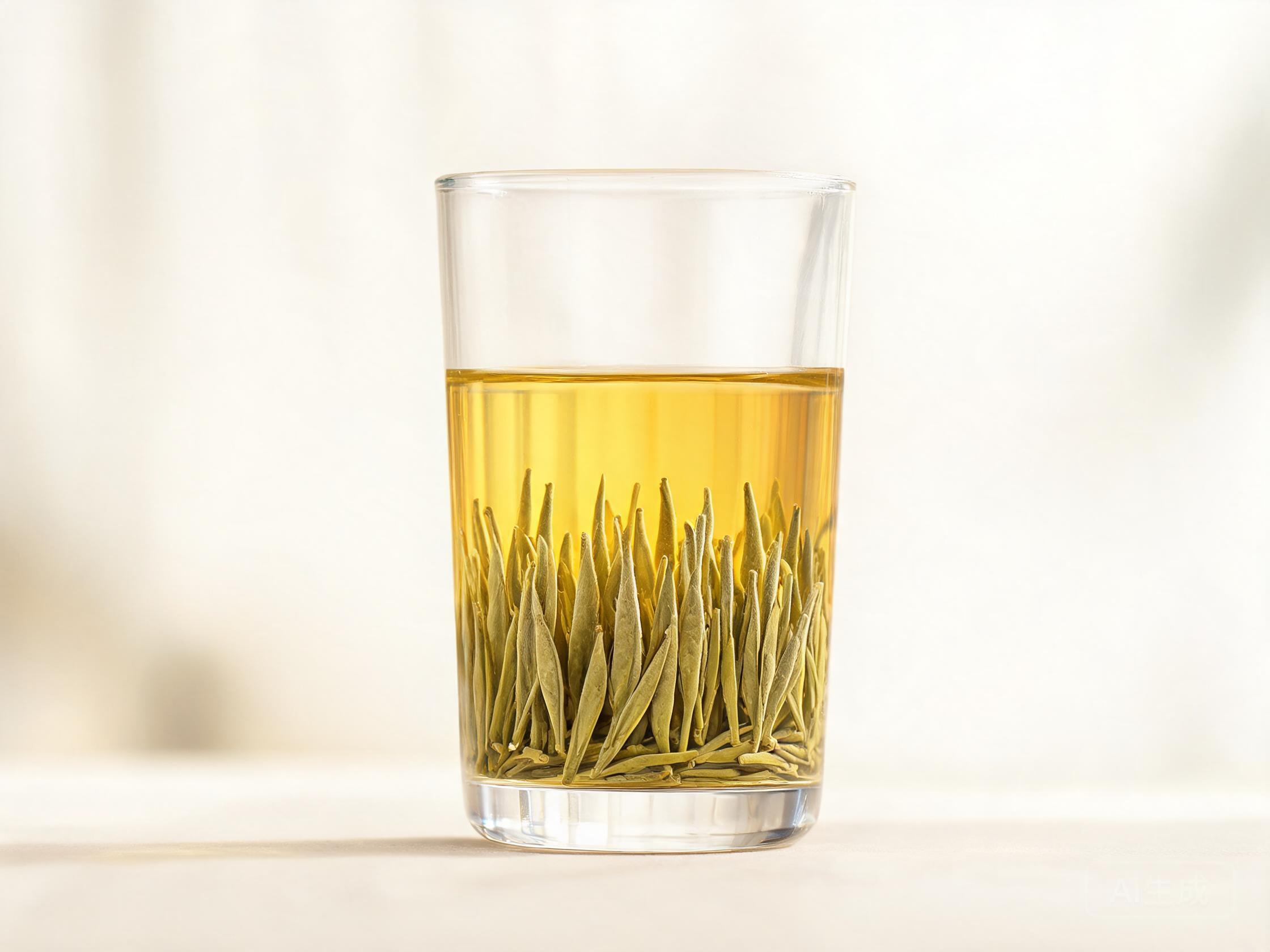
Where hands still matter
Yellow tea is the most hand dependent category in tea, and that is a technical fact rather than a boast.
Picking is by hand, because a bud grade cannot be harvested any other way.
Fixing can be done in a drum, and most producers now use one.
The yellowing step, men huang(闷黄), is where hand work is unavoidable.
Someone has to feel the heap, smell it, and decide whether it needs another hour.
That decision is made several times a day for as long as the hold lasts.
In some styles the hold runs 2 or 3 days, which means someone is checking it around the clock.
No machine has replaced this, because the end point is not a number that can be set in advance.
Drying is mechanised, and a dryer holds the gentle temperature the finished leaf needs.
Sorting the buds is done by hand, as it is for any bud tea.
So the process is roughly half mechanised, and the half that matters most is not.
A picker selects 1 bud at a time, and 500 grams of finished tea takes most of a day.
The honest split
The split here is unusually easy to state: everything except the yellowing can be mechanised.
Picking cannot, but that is true of every bud grade in every category, so it is not distinctive.
Fixing in a drum is more even than fixing by hand, and most producers prefer it.
Rolling, where it happens at all, is a light job and a machine handles it well.
Drying is better in a dryer, for the same reason it is in white tea.
The yellowing is the whole category, and it is a judgement repeated over hours or days.
Temperature can be logged, but the decision to stop is made by smell and by feel.
A machine could hold the leaf at 45°C for 8 hours, and it would not know if that was right.
This is why the category has never scaled, and why the volumes stay tiny everywhere.
Attempts to industrialise it produce under-yellowed tea, which is green tea with a yellow label.
So the hand work is not a selling point here, it is the only way the process functions.
What you can taste
The taste test in yellow tea is whether the tea tastes like a green tea or not.
A properly yellowed tea has lost the grassy edge and gained a soft sweetness in its place.
An under-yellowed one is a green tea, and it tastes thinner and sharper than it should.
That is the commonest fault in the category, and it comes from rushing the hold.
Over-yellowed tea goes sour, and there is no mistaking it once you have smelled it once.
Machine fixed leaf is not detectable in the cup, and there is no reason to prefer hand fixing.
Hand picked buds are detectable, since a machine would have taken leaf and stem with them.
The cup is sweeter and clearer when the pluck is pure bud, and that is worth paying for.
Everything else about hand work in this category is invisible once the tea is dried.
What remains visible is the evenness of the buds, which is a field decision rather than a factory one.
So buy on the sweetness and the evenness, and ignore the rest of the vocabulary.
Buying implication
Hand made is almost true by default in yellow tea, which makes the phrase useless.
There is no large scale machine process to contrast it with, so the label distinguishes nothing.
What matters instead is whether the yellowing was done properly, and that is what you should test.
Brew it beside a green tea of similar grade, and the difference should be obvious.
If it is not, the tea was not really yellowed, whatever the box says.
Ask when it was made, since yellow tea does not improve with age the way white tea does.
Most of it is best within a year or two, and old stock is often simply old.
Pay for a bud grade from a named producer, and expect to pay a great deal.
Be very suspicious of cheap yellow tea, because the labour in the hold is not optional.
A low price almost always means the hold was shortened and the tea was never really yellowed.
This is the one category where the hand work claim and the quality actually line up.