The one step
The defining step for red tea is oxidation, fa jiao(发酵), and it is the longest controlled wait in tea.
After rolling, the leaf is spread in a cool humid room and left to change for 2 to 5 hours.
Nothing is added and nothing is heated, and the leaf simply reacts with the air around it.
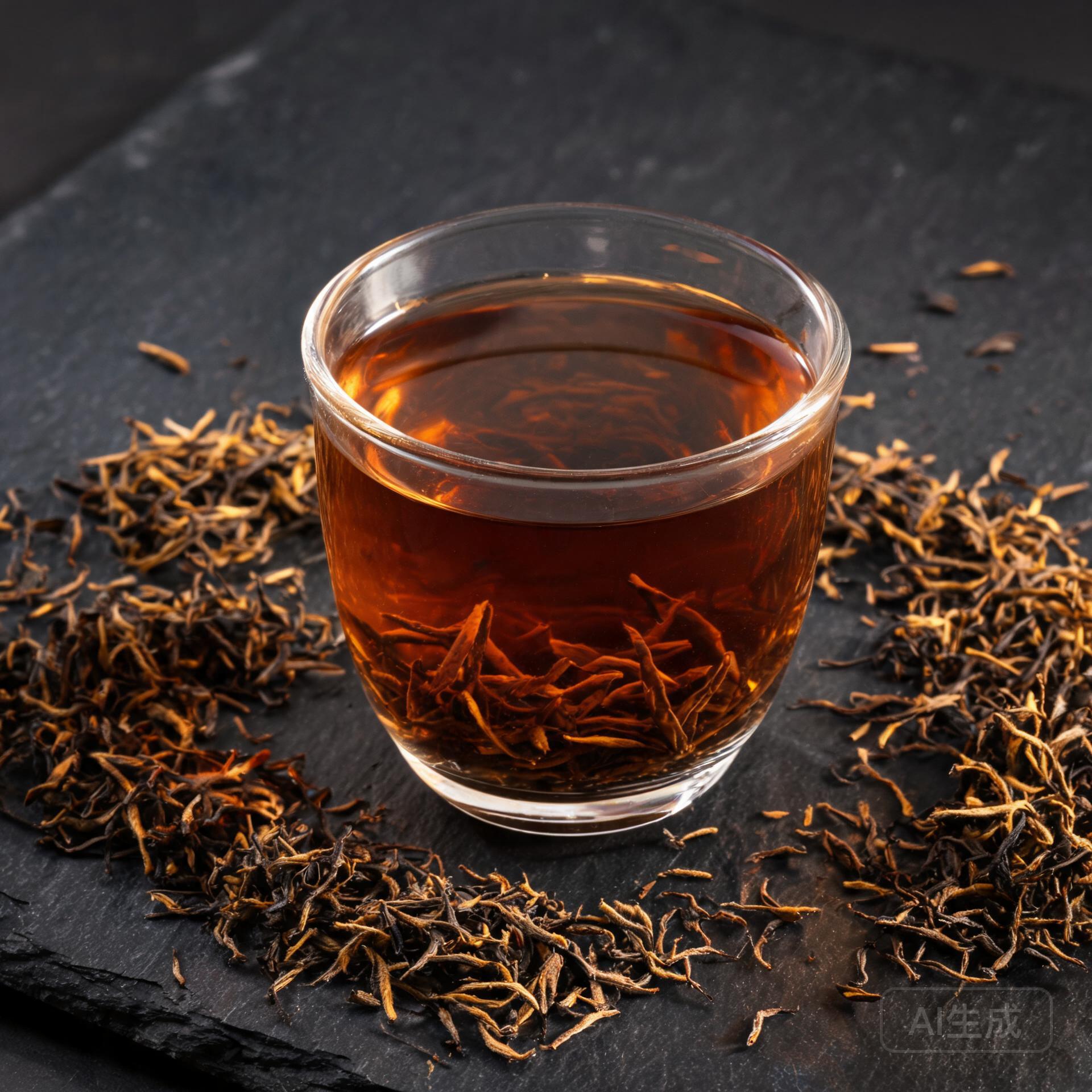
The colour moves from green to copper to a deep brown as compounds inside the leaf break down.
The smell in the room changes too, moving from grassy toward something fruity and then malty.
What makes the step unusual is that the change is chemical rather than applied.
No microbe is involved, which is why the word fermentation, though traditional, is inaccurate here.
The reaction is driven by enzymes already in the leaf, released when the rolling bruised the cells.
That is why rolling and oxidation are really one continuous step rather than two separate ones.
Firing ends it, applying heat to destroy the enzymes and stop the reaction where it stands.
Everything afterwards is drying and grading, and the character of the tea is already fixed.
Why it defines the tea
Oxidation defines red tea because it is the only process that produces the category’s character.
Green tea is defined by avoiding it, and oolong by stopping it part way.
Red tea lets it run to completion, and that single decision explains most of what is in the cup.
The compounds formed during oxidation give red tea its colour and its body.
They do not exist in green tea, which is why no amount of roasting approximates them.
The step is also what makes red tea stable enough to travel and to sit in a warehouse for years.
A fully oxidised leaf has little left to change, which is why old red tea is dull rather than transformed.
That is a different kind of ageing from dark tea, and the difference comes directly from this step.
The degree of oxidation also decides how the tea brews, since it sets how fast the leaf gives up its material.
A light oxidation gives a tea that needs 4 or 5 minutes, and a full one gives up everything in 2.
So the step defines the category, the shelf life, and the brewing instructions all at once.
What it takes
What oxidation takes is control of two variables, and most faults come from losing one of them.
The first is temperature, and the leaf itself generates heat as the reaction proceeds.
A deep pile can climb past 35°C on its own, which drives the reaction far too fast.
Most factories hold the room between 24°C and 27°C and spread the leaf thinly enough to shed heat.
Above that range the tea goes sour, and below it the reaction slows until the leaf simply dries out.
The second variable is humidity, and the room is kept near 95 per cent for the whole run.
Dry air stops the reaction at the surface while the inside keeps going, which produces an uneven leaf.
That unevenness turns up in the cup as a liquor that lacks clarity and brightness.
The end point is judged by a person, who reads the leaf colour and the smell in the room.
Instruments help, but nobody has found a probe that replaces the judgement at this step.
A few minutes either way changes the tea, and the decision is made once, on this batch.
A caveat
Oxidation cannot rescue poor leaf, and in red tea that limitation is easy to test.
A coarse pluck oxidises just as completely as a fine one, and it still tastes coarse afterwards.
The step transforms what is in the leaf, and it does not add anything that was not there.
Leaf from a poor garden gives a flat cup, and the oxidation was not the problem.
Broken and dusty material oxidises faster than whole leaf, which is one reason it brews so strongly.
That strength is often mistaken for quality by buyers who brew with milk.
Leaf that was withered unevenly will oxidise unevenly, and no time in the room evens it out.
Rolling that was too light leaves the inside of the leaf untouched, so the oxidation never completes.
The result is a tea with a green core, and it tastes thin and slightly raw.
Buyers can spot this by looking at the wet leaf after brewing, where the colour should be even.
The step is necessary and not sufficient, and the leaf is what sets the ceiling.