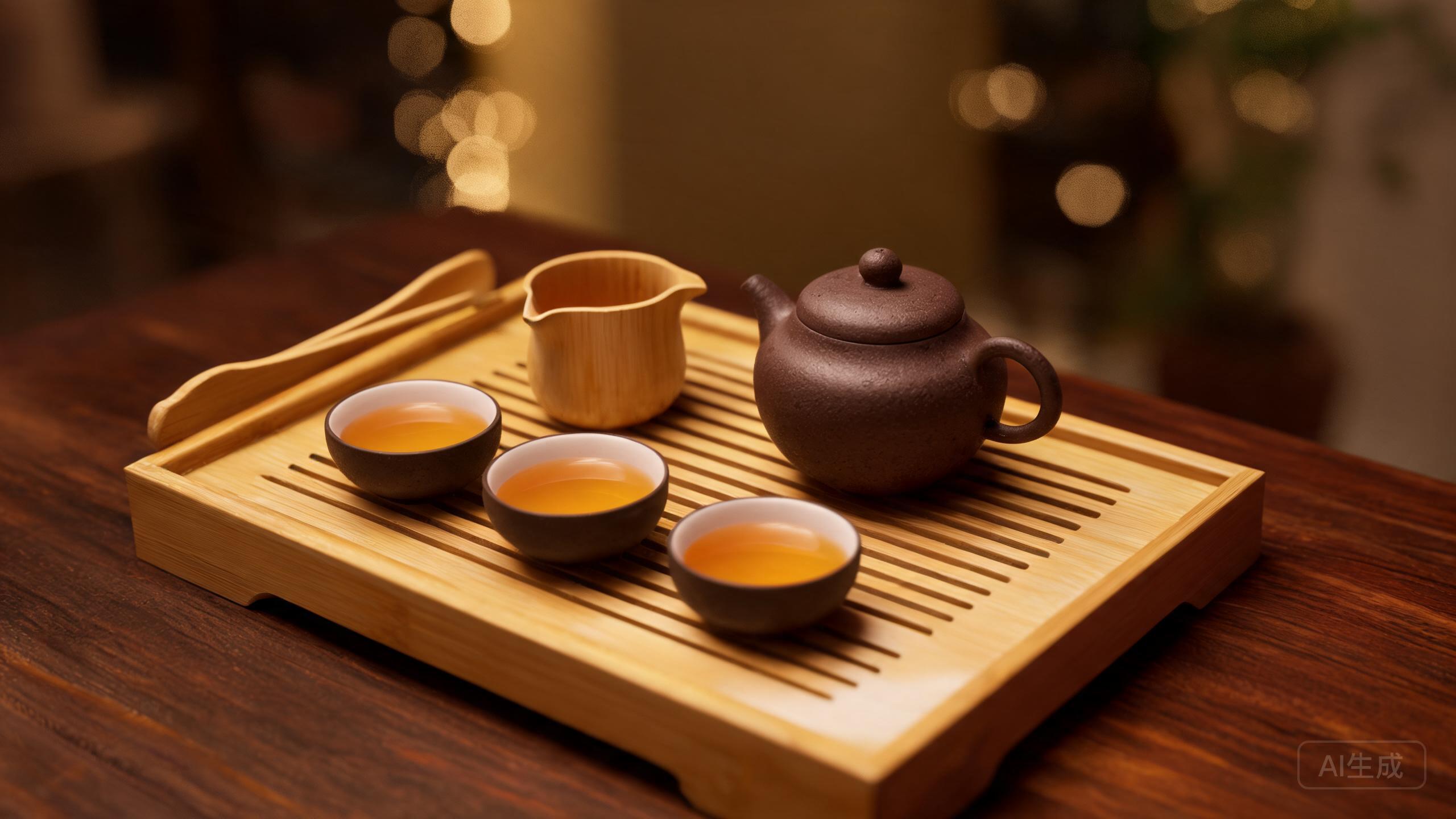
The vessel
A white tea setup starts with the vessel, and the choice depends on whether the leaf is young or aged.
Young white tea wants a tall glass of 250 ml, because a bud grade needs the height to move.
Silver Needle stands upright in the water and sinks and rises, and a short cup stops that.
A porcelain gaiwan of 100 ml is the other answer, and it is the one for White Peony and Shou Mei.
Those are leafier grades, and they are judged on the liquor rather than on the show.
Aged white tea and compressed cake want a vessel that takes boiling water and pours fast.
The same gaiwan does that job, and so does a small porcelain pot.
Porcelain is the right material throughout, because white tea is delicate and the vessel should add nothing.
Unglazed clay would hold heat and hold aroma, and white tea needs neither of those.
Check the lid fits and the rim pours cleanly, since both faults cost you control over the infusion.
Check the interior is white, because the colour of the liquor tells you how old the tea is.
One gaiwan and one tall glass cover every white tea from a fresh bud grade to a ten year old cake.
Water and dose
Temperature is the first setting, and it splits the category cleanly in two.
Young white tea sits at 85 °C, and water off the boil will flatten it in a single infusion.
Aged white tea and compressed cake want a full boil, and anything cooler gives a thin liquor.
A kettle with a dial or a probe thermometer settles either case in seconds.
Dose is the second setting, and 5 grams in 100 ml is the ratio to start from.
A bud grade looks like far more than 5 grams, because it is light and bulky.
Weigh it on a scale reading to 0.1 g, since a handful of needle and a handful of Shou Mei are not the same.
Water is the third setting, and soft filtered water suits the delicate grades best.
Very hard water leaves a film on the liquor and flattens the aroma at the same time.
Distilled water goes the other way and makes the cup taste hollow.
Aged white tea can also be simmered, which is the one place the category turns into cooking.
Temperature, dose and water first, and the method after that.
Scale to taste
With the setup fixed, time is the only variable left, and tasting is how you set it.
Hold the first infusion to 30 seconds for a young tea, and longer for an aged one.
Pour it out completely, then drink it before deciding anything about the second.
A thin cup means more time or more leaf, and a flat one usually means the water was too cool.
A drying finish means too much time, and a burnt one means the water was too hot.
Extend each later infusion by a few seconds, since the leaf opens slowly.
A young bud grade gives three or four good infusions, and an aged cake gives more than that.
Aged white tea often improves through the middle of a session, which young leaf never does.
Rinse a compressed cake once before the first real pour, and discard that water.
Reject any cake that smells damp after the rinse, whatever the seller says about its age.
Note the numbers for the first few sessions, and after a week you will not need to.
A fixed setup leaves taste as the only thing you have to think about.
Common mistake
The most common mistake with white tea is brewing everything at the same temperature.
Young and aged white tea are close to being two different categories, and they need different water.
The second is judging a bud grade on the first infusion, which is always the weakest one.
Silver Needle needs two or three pours before it shows what it is.
The third is a vessel too small for the leaf, since a bud grade takes up a lot of room.
Five grams of Silver Needle fills a 100 ml gaiwan to the rim and still needs water over it.
If the leaf cannot move, use a larger vessel or a smaller dose.
The fourth is buying aged cake without asking where it was stored, which no setup can fix.
The fifth is measuring by eye, because bud grades are the least dense leaf on the site.
A scale reading to 0.1 g costs less than a sample bag and removes the guess entirely.
The sixth is chasing a clay pot, which adds a background note to the faintest tea in the cupboard.
Fix the temperature, weigh the leaf, taste before adjusting, and the category becomes simple.