The short answer
White tea matches a glass vessel first and a porcelain gaiwan second, and the reason is the leaf.
Silver Needle is a bud grade, and standing upright in glass is what it does best.
A tall glass of 250 ml gives the buds room to rise and fall, and a short cup does not.
A porcelain gaiwan of 100 ml is the answer when you want control rather than a view.
It pours quickly, and white tea brews fast once the leaf has opened.
White Peony and Shou Mei are leafier and coarser, and they are happier in porcelain than in glass.
Aged white tea changes the answer, because it can take boiling water and a long steep.
A small clay pot suits it, and so does a thermos, which is not true of the young leaf.
Compressed white cake is a third case again, and it wants the same ware as pu-erh.
So the match depends on which white tea you have, and there is no single answer for the category.
If you buy one thing, buy a gaiwan, since it handles all three cases acceptably.
Glass is the better second purchase, and clay is the one to leave until last.
Why it matters
White tea is the least processed category, so the vessel has less to hide behind.
There is no roasting and no rolling, and what the leaf brings is what reaches the cup.
That makes heat control the main thing, since young white tea scorches above 90 °C and sits best near 85 °C.
A vessel that holds heat long after the pour turns a floral bud tea into hay.
Thin porcelain and thin glass both shed heat fast, which is exactly what the young leaf wants.
Surface area matters here too, and a wide gaiwan cools the liquor faster than a tall pot.
Aroma is the second thing, and white tea has more of it than most drinkers expect.
A lidded vessel keeps that aroma in the cup rather than letting it go out into the room.
Aroma is also why a seasoned clay pot is a poor match for a delicate Silver Needle.
Clay will still be holding the smell of the last dark tea you brewed in it.
Neutrality is the third thing, and it is what lets you compare two harvests honestly.
Anything that remembers the previous session makes that comparison meaningless.
Neutral is safe
Porcelain is the safe default across the whole category, young leaf and aged cake alike.
It takes boiling water without complaint, and it rinses clean of any fermentation smell.
Glass matches the bud grades better and does no harm to anything else.
A neutral surface means the cup tells you about the tea rather than about the vessel.
That matters most with white tea, where the differences between two samples are small.
A seasoned pot adds a background note that sits right where those small differences live.
Buy porcelain in the size you drink from, and do not spend on decoration.
Check the glaze is intact, since a crazed surface will slowly start behaving like clay.
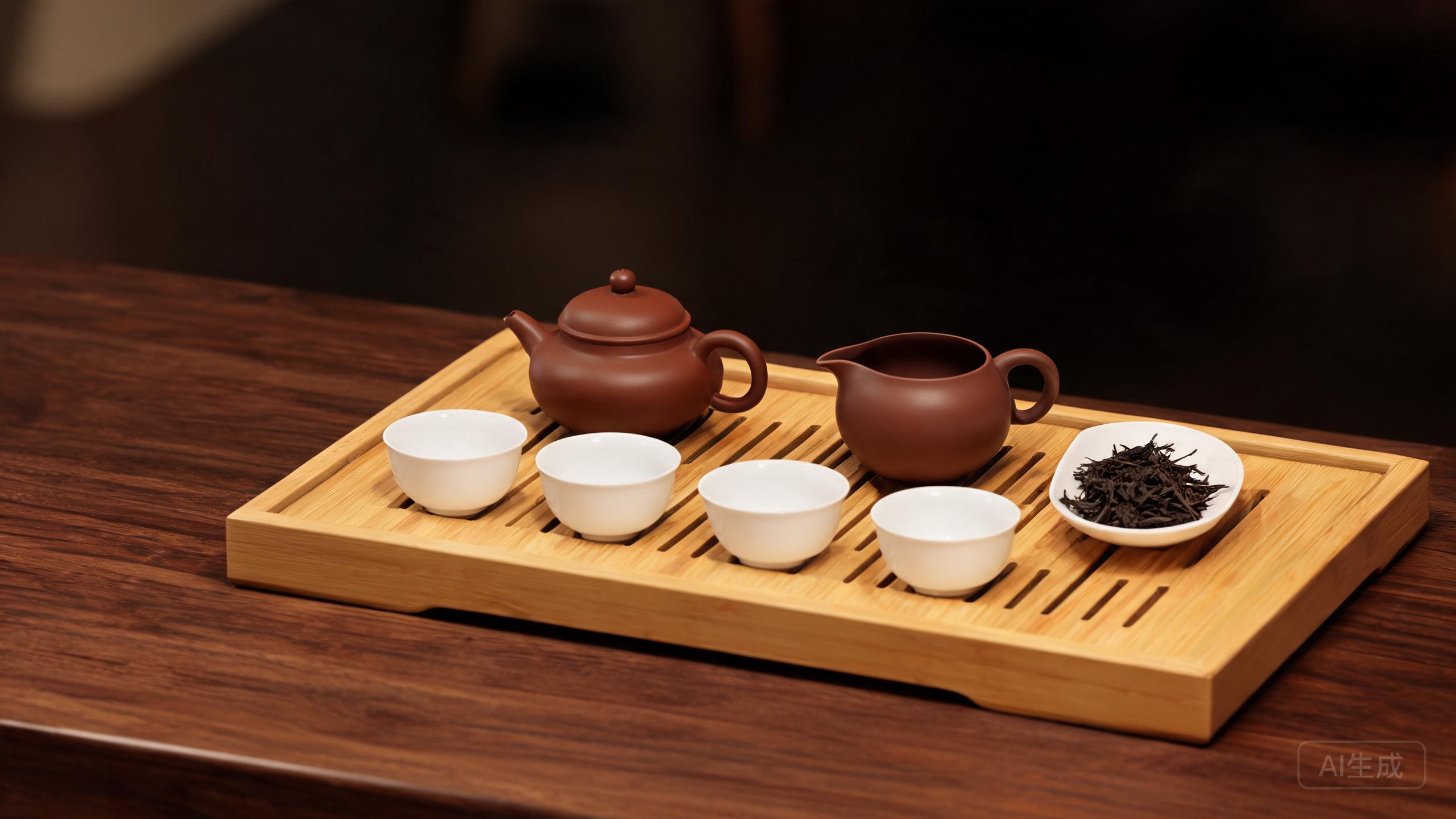
Avoid anything sold as zisha(紫砂)at a price that seems too low, which will be slip cast and tinted.
Real hand built clay costs real money, and a cheap pot claiming to be it is not a bargain.
Use clay later, if at all, and dedicate one pot to aged white tea alone.
Until you drink one thing often enough to justify that, neutral ware wins on every count.
Building a habit
One gaiwan used every day will teach you more about white tea than any amount of equipment.
You learn how long the leaf takes to open, and that changes with the grade and the age.
Silver Needle opens slowly and Shou Mei opens fast, and the pour has to follow the leaf.
Using the same vessel makes that timing automatic rather than something you think about.
Fix the dose as well at 5 grams in 100 ml, and weigh it rather than guessing.
Bud grades are bulky, and a handful looks like far more than 5 grams.
A scale reading to 0.1 g removes the guess and makes a bad cup reproducible enough to fix.
Keep the ware clean and dry, and use no detergent on anything porous.
Rinse with hot water, dry the outside, and store the lid off.
Smell the empty vessel before each session, because a neutral one should smell of nothing.
Replace glass when it chips and porcelain when it crazes, and do not become attached to either.
The habit is the match, and the vessel is only where it happens.