The vessel
A red tea setup starts with a choice between two sizes, and the choice is about how you drink.
A 250 ml porcelain pot with a lid suits a long steep and a mug-like quantity of tea.
A 100 ml porcelain gaiwan suits short infusions and a session of several pours.
Both are correct, and red tea is the one category where neither one is a compromise.
Porcelain is the right material for either, since a fully oxidised leaf has less to protect.
A white interior shows the colour of the liquor, which is how red tea is judged.
Glass does the same job and loses heat faster, which some drinkers prefer for a lighter cup.
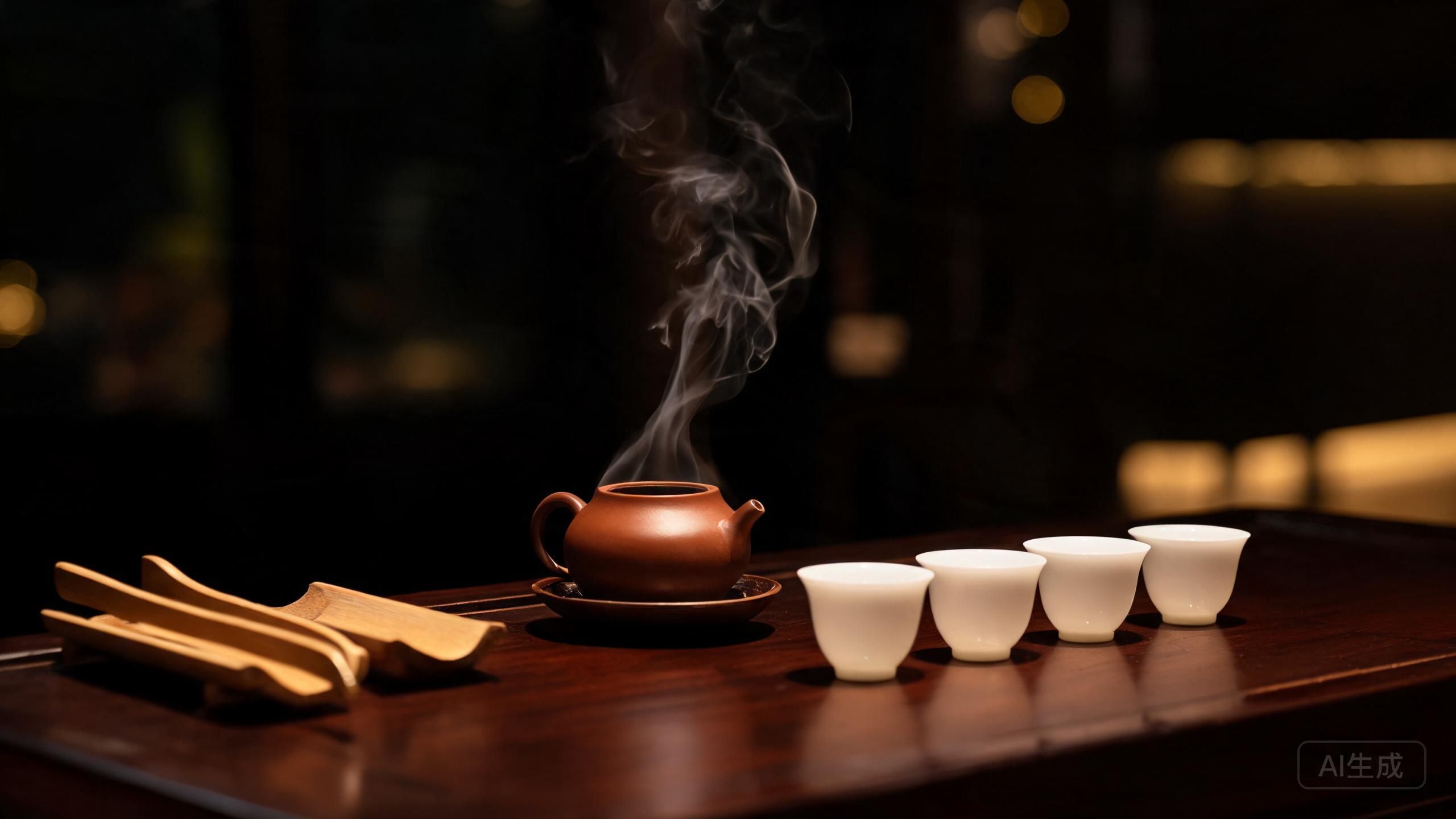
Unglazed clay is a real option here, and this is the one category where it is from the start.
A zisha(紫砂)pot holds heat through a long steep and takes up oils from the liquor over time.
That seasoning improves red tea and commits the pot to it, so buy one only when you are sure.
Check the lid fits and the spout pours cleanly, since both faults cost you time on every infusion.
One pot and one gaiwan cover every way of brewing red tea, and they cost very little between them.
Water and dose
Temperature comes first, and red tea is the most forgiving category on the site.
Water at 95 °C suits nearly everything in it, and a full boil suits most of it.
A thermometer is useful but less critical here, since the window is wide rather than narrow.
Dose is second, and it depends on which vessel you chose.
Three grams in 250 ml suits a long steep, and 5 grams in that gaiwan suits short pours.
Broken grades pack far denser than whole leaf ones, so a spoon is not a measure.
Weigh it on a scale reading to 0.1 g and the session becomes repeatable.
Water quality is third, and red tea is strong enough to carry most tap water.
Very hard water still flattens it, and filtered water gives a cleaner finish.
Chlorine is the thing to remove, and a jug filter or a few minutes standing does that.
Warm the vessel first and discard the water, which keeps the temperature where you set it.
Temperature, dose and water, and then the only question is how long.
Scale to taste
Time is the setting you adjust by tasting, and the two styles use very different numbers.
Hold 3 minutes in a 250 ml pot, or 30 seconds in a 100 ml gaiwan, and taste before extending.
A weak cup wants more time or more leaf, and a harsh one wants less of either.
Harshness in red tea usually means the water was too hot rather than the steep too long.
Drying astringency at the back of the mouth means the steep ran long, and it is easy to fix.
Run a gaiwan session to four or five infusions, and a pot session to one or two.
A whole leaf grade keeps giving through the middle of a session, and a broken grade does not.
If the tea falls apart after the second infusion, it is a broken grade rather than a bad setup.
Taste plain before adding anything, since milk and sugar hide exactly what you are trying to learn.
Note the numbers for the first few sessions, and after that you will not need them written down.
Compare two grades side by side at some point, which is the fastest way to learn the category.
A fixed setup makes that comparison honest, because nothing else has changed between the two cups.
Common mistake
The most common mistake with red tea is overbrewing, usually in a mug with a basket left in it.
A basket sitting in the cup keeps extracting after the tea is ready, and the result is harsh.
Lift the leaf out rather than leaving it in, and the same leaf can be used again.
The second mistake is a vessel too small for Western brewing, which forces a weak cup.
Three grams needs a large mug of water, and putting it in a small gaiwan gives you something closer to syrup.
The third is boiling water on a delicate grade, which is less damaging than in green tea but still real.
The fourth is judging every red tea by the same time, since a broken grade and a whole leaf one differ.
The fifth is measuring by eye, because broken leaf weighs roughly twice as much per spoon as whole leaf.
A small scale removes that and costs less than a sample bag.
The sixth is chasing expensive ware, which matters less here than in any other category.
Red tea is strong enough that the vessel changes the cup less than the grade does.
Weigh the leaf, lift it out on time, and the category is the easiest one on the site.