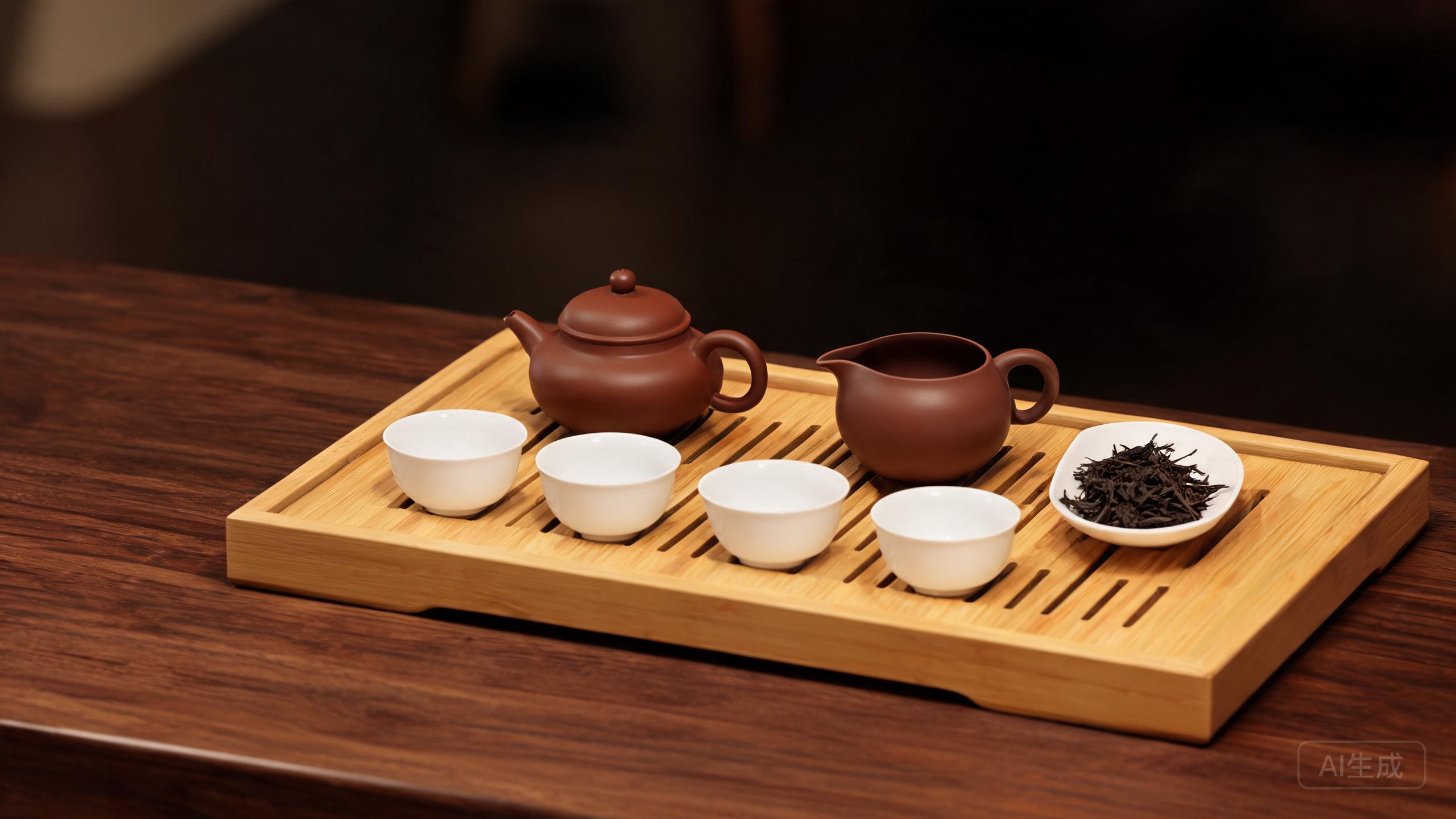
After each use
Empty the leaf out while it is still wet, because dried oolong sticks to porcelain and to clay. Tip the spent leaf into a waste bowl rather than leaving it in the vessel overnight.
Rinse with hot water and nothing else for unglazed clay. Detergent gets into the pores and takes weeks of brewing to flush out, and soap residue tastes exactly as bad as it sounds.
Glazed porcelain and glass can take a mild detergent when they need it, but they rarely do. Rinsing with water at about 60 °C handles fresh oolong, and the oily film that roasted tea leaves wipes away with a soft cloth.
Dry everything upside down with the lid off. Trapped moisture in a closed pot is how a vessel develops a sour smell, and that smell is very hard to remove from unglazed clay.
2 minutes of attention after the session is the whole routine. Leave the leaf sitting for a day and you will spend far longer than that trying to get the vessel back to neutral.
Dedication versus neutrality
Dedication means one vessel for one family of tea. It is not a rule invented by collectors: porous clay genuinely stores aroma, and a pot seasoned on roasted oolong will flavour a light one.
Neutrality is the alternative, and it is what glazed ware gives you. A porcelain gaiwan can go from baozhong to yancha in one afternoon with nothing carried over, because there is nowhere for the aroma to go.
The practical split most people settle on is one neutral gaiwan plus one dedicated pot for whatever they drink most. That covers the category without turning the cupboard into a filing system.
If you are unsure whether a vessel is porous, run water over it and see whether the surface darkens. Darkening means it absorbs, and absorbing means it needs dedicating.
The seasoning itself takes months rather than days. A pot used 3 or 4 times a week with the same roasted oolong will start to show a change in the cup after about a year of steady use.
You can also choose neutrality on purpose. Two gaiwans of the same size, one kept for light oolong and one for roasted, gives you most of the benefit of dedication with none of the risk.
What to avoid
Avoid detergent on unglazed clay, and avoid the dishwasher for anything you care about. High heat and detergent together will strip seasoning and can craze a glaze.
Avoid scrubbing pads inside a gaiwan or pot. Scratches on a glazed surface hold residue, and scratches on an unglazed one change how the surface seasons from then on.
Avoid leaving wet leaf in a vessel, which is the single most common mistake. Oolong leaf left overnight turns sour, and the smell moves into the vessel rather than staying in the leaf.
Avoid storing a pot with the lid on. Air needs to move through it, and a sealed damp pot will smell stale by the next session no matter how carefully you brewed.
Avoid hot water straight off a rolling boil for glazed ware, which is a mild thermal shock every time. Let it drop for 30 seconds after the kettle clicks off and the vessel will last far longer.
Avoid stacking cups rim to rim in a cupboard. Porcelain chips at the rim, and a chipped rim on a small oolong cup pours badly and catches your lip on every sip.
Long-term
Over a year of regular use, an unglazed pot darkens and develops a sheen. That is seasoning rather than dirt, and it is the reason people dedicate pots in the first place.
Porcelain does not change much, which is the point. A glazed gaiwan will look and brew roughly the same in five years as it does now, and that consistency is worth having.
Check the rim and the lid fit occasionally. A warped lid lets heat out and changes the steep, and a chipped rim on a gaiwan pours badly and burns your fingers.
Replace vessels when they stop working rather than when they stop looking new. A stained gaiwan that pours cleanly and holds heat is a better tool than a pristine one you are afraid to use.
Once a year, give everything a longer soak in plain hot water and dry it in the open air. It resets glazed ware, it tells you whether an unglazed pot has gone stale, and it takes about 5 minutes.
Keep the original box for anything expensive. Oolong ware is mostly breakage risk rather than wear, and a pot that survives 10 years usually does so because it was stored properly between sessions.