Start with the source
Reprocessed tea has two different source questions, and the answer to one tells you nothing about the other.
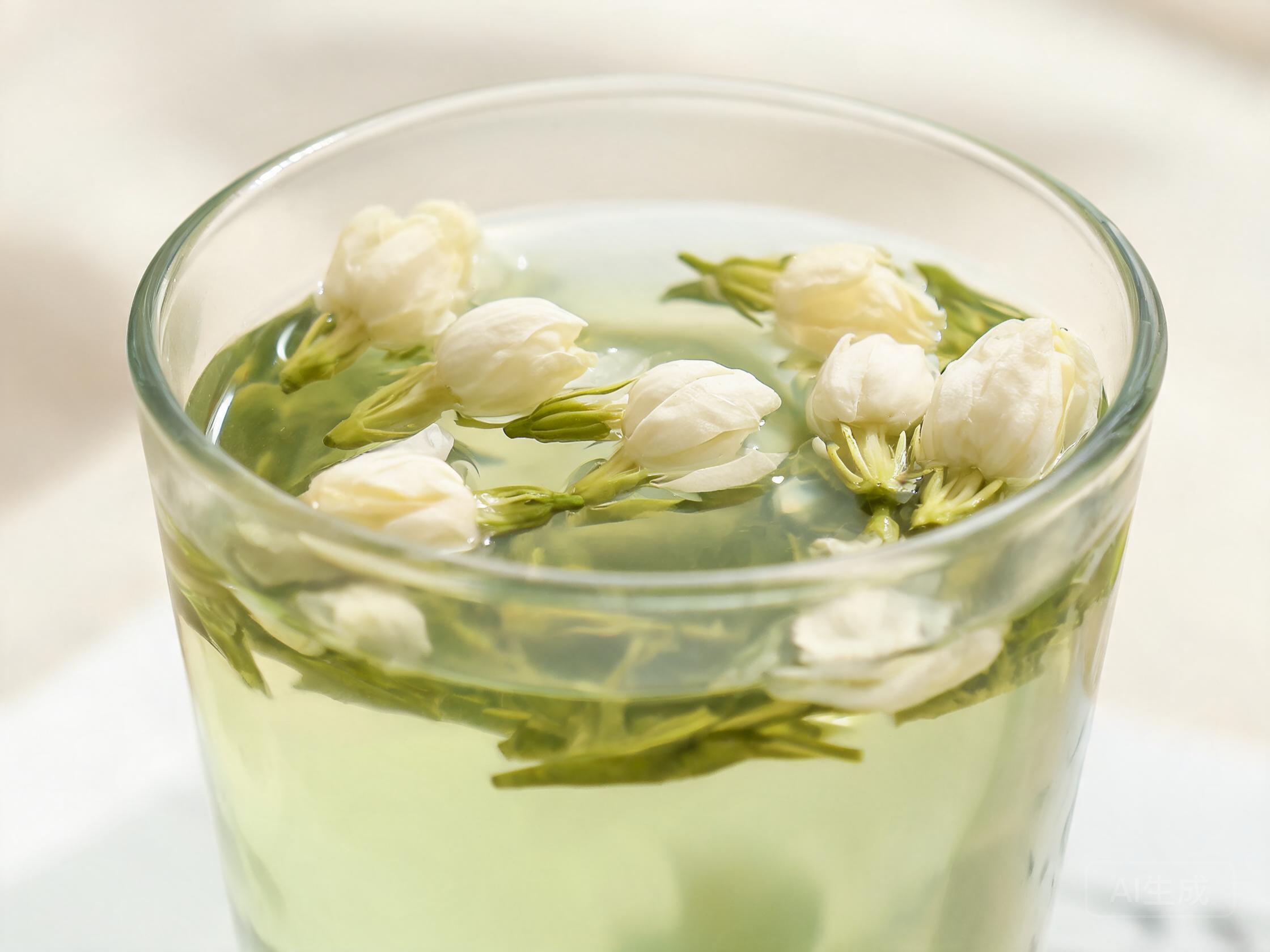
For jasmine, the source is the base leaf and the number of scenting rounds rather than a place.
Ask what green tea was used, because jasmine made on poor leaf is still poor tea with flowers on it.
Ask how many rounds it was scented for. Three is ordinary, seven is good, and nine is rare.
A seller who cannot answer probably does not know, which usually means three.
For compressed tea, the source is the factory and the recipe, and both are documented.
Menghai, Xiaguan and Kunming are names with real weight, and there are many near misses.
Ask for the factory, the recipe number and the pressing year, in that order of importance.
Then ask where the cake has been since, because storage is part of the source by now.
A seller who can answer all of that has bought carefully, and one who cannot has not.
Taste as proof
Taste proves more in this category than in any other, because the fakes are elaborate and the real thing is distinctive.
Real jasmine smells soft and sweet, and it survives a week in an open bag.
Sprayed jasmine smells sharp and perfume-like, and it fades within days of opening.
Brew it at 85 degrees for two minutes. Boiling water destroys the aroma and hides the difference.
For ripe tea, a clean fermentation tastes earthy and slightly sweet, with no fish and no sourness.
A bad pile tastes fishy or sour, and no amount of ageing removes it.
For raw tea, young tea is sharp and drying, and well-aged tea is thick and sweet.
Brew compressed tea at least five times. Endurance is the test that separates material from story.
Smell the wet leaf in the hot pot after the rinse, which is where the tea stops pretending.
Compare against a tea you have verified, because descriptions will not get you there.
At 7 grams a session, a 25 gram sample is three or four pots, which is enough to judge a cake properly.
Packaging and provenance
Packaging in compressed tea is both the claim and the evidence, which is the central problem of the category.
The wrapper is printed by whoever sold the cake, so it proves nothing on its own.
What is worth having on it is the factory mark, the recipe number and the pressing year.
A cake with none of those is unmarked, and unmarked cakes are cheap for a reason.
Recipe numbers are useful, because they can be checked against factory records that others have published.
Inner tickets tucked into the cake are harder to fake than the wrapper, and worth looking for.
Be sceptical of vintage claims printed without a pressing date.
For jasmine, look for a scenting date on the packet, which is much rarer than it should be.
Keep every wrapper, ticket and receipt together, since they are the only record of what you bought.
All of it can be faked, and much of it is. The wrapper is a starting point, not a conclusion.
A practical test
Buy a sample from a seller who states the factory and recipe, and one from a seller who does not.
Brew them side by side after a rinse, at the same dose, and taste across five steeps.
The difference in cleanliness and endurance is usually obvious when both are in front of you.
Then break both and compare the interiors, which tells you whether either one was dressed.
For jasmine, buy 25 grams of each and smell them again a week after opening.
The sprayed one will have faded and the scented one will not.
Ask a specialist to taste them with you if you can, and see whether they reach the same conclusion.
Keep the notes with the prices, because value is the thing you are really testing.
Repeat with a different pair twice a year, and the pattern becomes clear quickly.
This costs less than one expensive mistake, and it is the only test that settles anything.
A standard cake is 357 grams, so a 25 gram sample is about seven per cent of it and worth every penny.