What to look at
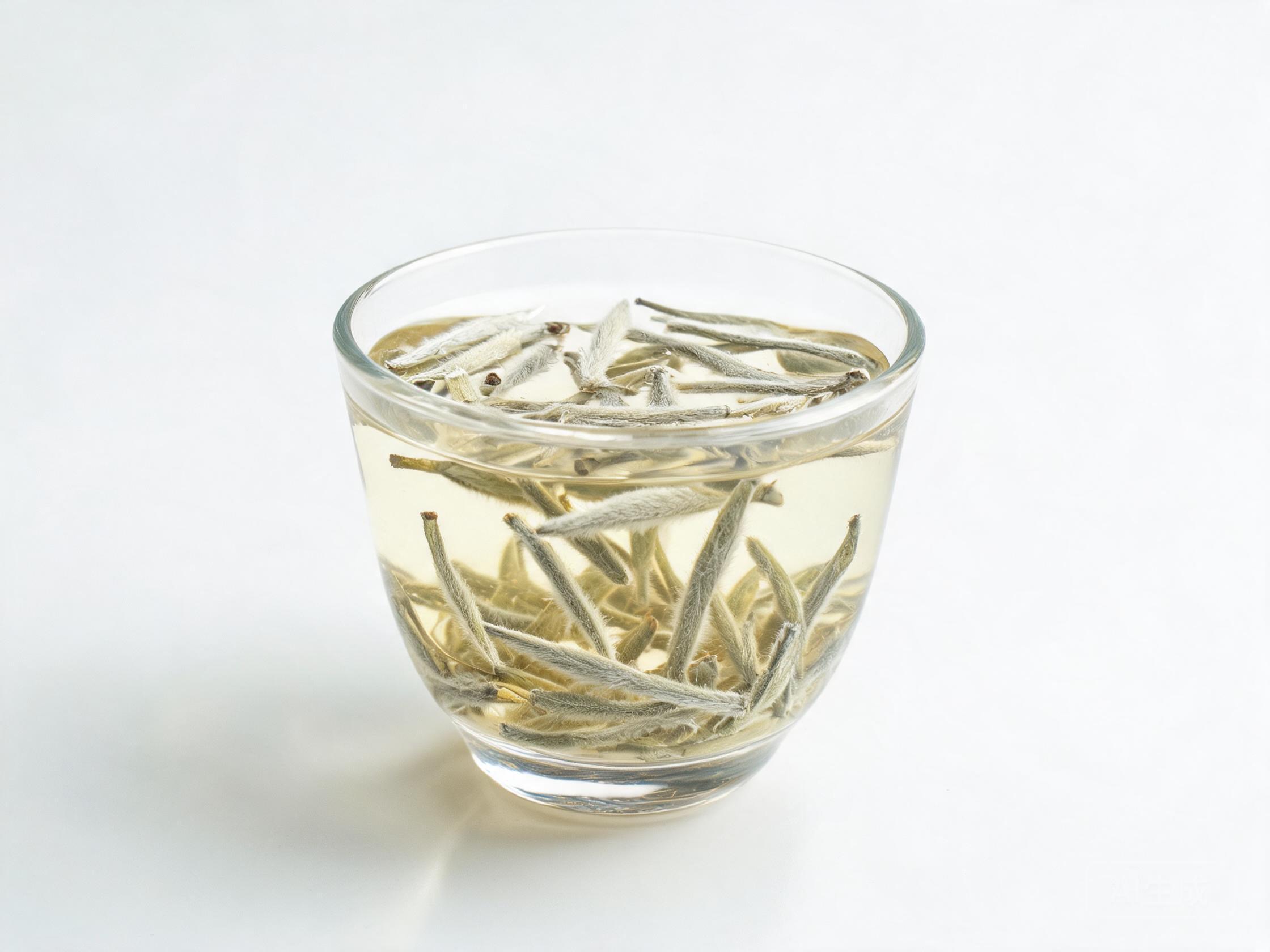
White tea is judged on four things: the down on the buds, the aroma, the clarity of the liquor, and the age.
Silver Needle should be fat, straight buds covered in fine white down, and roughly uniform in size.
Thin or dark buds mean a later picking, and a mix of sizes means the batch was assembled rather than sorted.
White Peony should show buds and open leaf together. A bag with no buds at all is Shou Mei, whatever it is called.
The dry aroma should be hay, dried flowers, or for an aged tea, dates and old wood.
Grassiness is not the fault in white tea that it is in a green tea, but a sharp or sour note always is.
The liquor should be pale and clear for a young tea, deepening to amber with age. Cloudiness is not a good sign.
On the palate, look for sweetness and a soft body. White tea is delicate, and a thin cup means poor or old leaf.
The wet leaf should be soft and intact. Brittle leaf that crumbles means age, and slimy leaf means damp storage.
The order of inspection
Follow one order every time, because the point of a checklist is that it does not change with your mood.
Look at the dry leaf in daylight if you can. The down is much easier to see than under a shop light.
Smell it dry, then smell it again after the first brew. The two smell different, and both matter.
Brew at around 85 degrees rather than boiling, with 3 grams for 150ml, and give it two or three minutes.
Look at the liquor against a white surface. Pale gold is right for a young tea, and a grey tinge is not.
Taste it, and pay attention to the finish rather than the first impression. The sweetness often arrives late.
Brew it three times at least. Good white tea holds up better than people expect, and poor white tea does not.
For a cake, break a piece and look at the interior before you brew. A pale middle under a dark surface is the tell.
Finish with the wet leaf, spread out and smelled. It should still smell sweet, and it should not smell sour.
Red flags
The faults to watch for in white tea are mostly about age and storage rather than about the leaf itself.
A sour or sharp smell on the dry leaf means damp storage, and no amount of brewing fixes it.
A dark wrapper and a pale interior on a cake is the standard sign of forced ageing.
Any visible mould ends the conversation, whatever the seller says about harmless bloom.
In the cup, cloudiness and a dull brown colour in a tea sold as young are both wrong.
A flat, watery taste with no sweetness at all means the tea has lost what it had, usually to age.
A compressed white sold as twenty years old is the easiest fake to spot, because the format is newer than that.
Loose aged white is harder to check than a cake and is faked more often, so treat it with more suspicion.
One flag alone is a warning. A cluster of them, on a tea sold at a premium, is a reason to walk away.
Keep a baseline
The fastest way to learn white tea is to buy two versions of the same grade and drink them against each other.
A fresh White Peony and an aged Shou Mei, bought together, teach the whole category in one afternoon.
Keep 50 grams of a fresh tea sealed and dated, and drink a cup of it every few months. That is your reference.
What you are tracking is how quickly the sweetness fades, and that is very hard to judge without a comparison.
Write the date on everything. A reference you cannot date is not a reference.
Replace the fresh baseline every year, because by then it will have changed.
For aged white, note the pressing year and the price, and open one cake a year from the oldest you have.
After two or three years of that, you can tell a good storage history from a bad one in a single cup.
Grades and origin claims are useful, but a palate trained on known leaf is what settles the question.