The trap to know
The trap with red tea is not faking, it is mislabelling by origin, and it is the most widespread problem in the category.
Red tea is traded in enormous volumes, and the names of the famous origins are used loosely across the whole market.
Darjeeling is the clearest case. Far more tea is sold as Darjeeling than is grown there, by a wide margin.
The same is true in a smaller way for Keemun, Dian Hong and Lapsang Souchong.
None of this makes the tea bad. Most of it is perfectly drinkable. It just is not what the label says, and it should not be priced as if it were.
The protection is knowing what the real thing tastes like, and buying from someone who can name the garden.
The second version is buying a blend sold as a single origin, which is common and usually harmless if the price reflects it.
A single garden tea should name the garden. If the label says only Darjeeling or only Keemun, assume it is a blend.
Check the grade claim
Red tea grades are described by leaf size and by origin, and the two get confused constantly.
Whole leaf grades such as OP and the Chinese equivalents mean the leaf is intact. Broken grades such as BOP extract faster and are used for bags.
Broken is not inferior. It is different, it suits milk, and it should cost less. The trap is paying whole leaf prices for broken leaf.
For Darjeeling, the flush matters: first flush is light and muscatel, second flush is fuller and more fruity. Both are real, and a listing should say which. First flush is picked from March, second flush from late May.
For Chinese red teas the useful names are Keemun in Anhui, Dian Hong in Yunnan, and Lapsang Souchong in Fujian. Anything without a province is unproven.
A smoke-flavoured tea sold as Lapsang Souchong is often sprayed with smoke flavour rather than smoked over pine. Ask how it was made.
With Lapsang Souchong there are two versions: the traditional pine-smoked tea and a much harsher, heavily smoked one made for export.
The traditional version is subtle and sweet under the smoke. If it tastes only of smoke, you have the export version at a premium price.
Smell before you pay
Smell tells you freshness and whether the origin claim is plausible, and it takes about five seconds.
A fresh Chinese red tea smells sweet and malty, sometimes of cocoa or dried fruit.
A Darjeeling first flush smells green and floral, with a muscatel grape note that is hard to mistake once you know it.
A tea that smells flat and faintly dusty is old. Red tea keeps better than green, but it does go stale after about 2 years.
A harsh, chemical smell on a smoked tea means it was flavoured rather than smoked over wood.
If it has been sitting in an open bin under a light, pass. Red tea loses its top note quickly in those conditions.
Cold leaf tells you nothing about red tea, so ask for it hot. The aroma only appears above about 60 degrees.
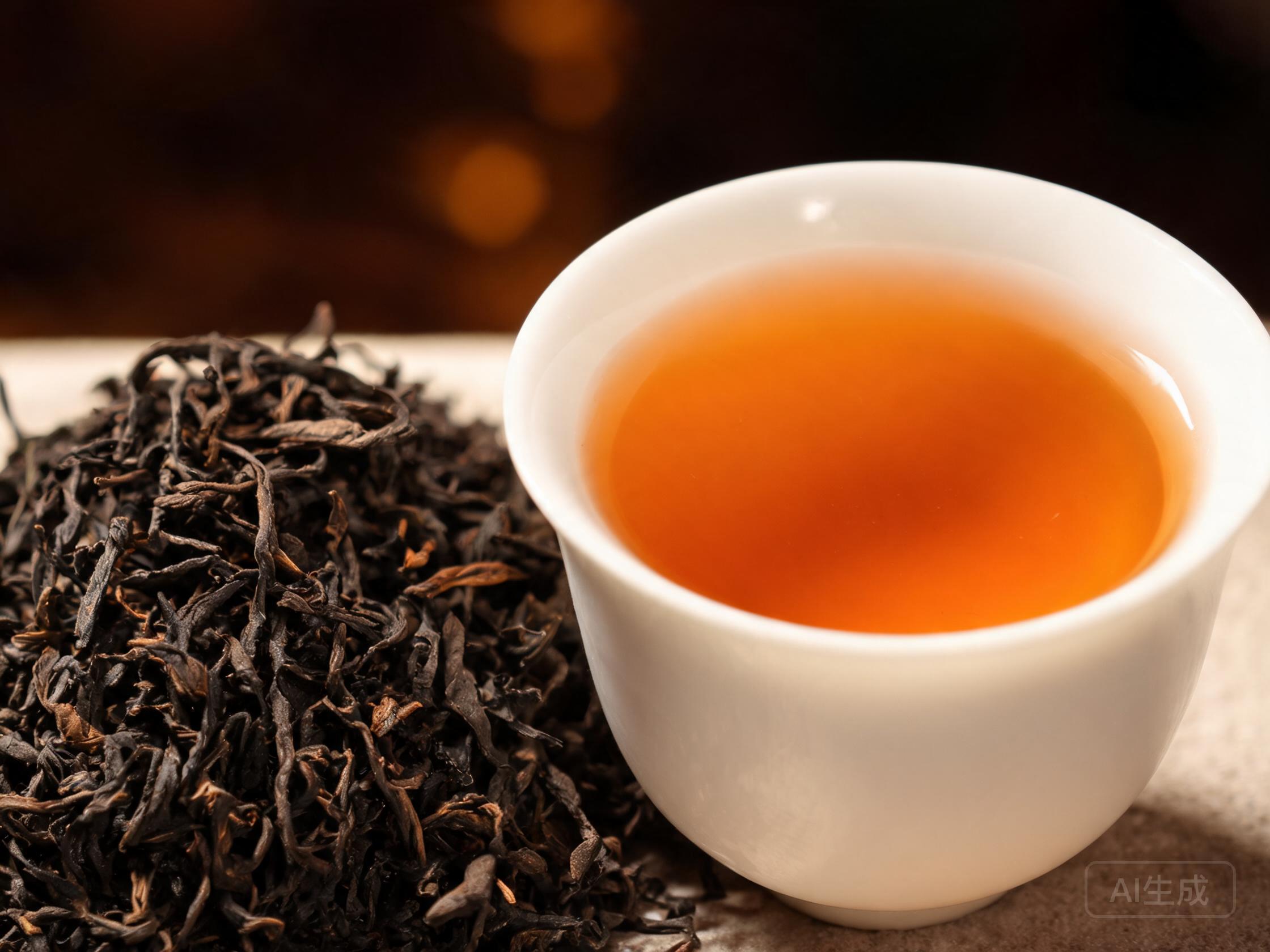
Watch the liquor colour. A first flush Darjeeling is pale gold, and a dark red-brown cup means you were given a second flush or something else.
Trust storage over label
Storage matters less for red tea than for green, and more than most sellers admit.
Sealed, cool and dark is enough. It does not need refrigeration, and it should not be kept near anything with a strong smell.
2 years is a reasonable ceiling for the delicate origins, and 3 for the strong, malty ones.
Tins are better than bags, and opaque is better than clear. Red tea fades in light faster than people expect.
Buy from a seller who turns over stock. A shop with the same tin on the shelf for three years is not selling you the best version.
The practical rule: buy 6 months’ worth at a time, more often. It costs no more and the tea is always fresh.
Red tea absorbs smells readily, so anything stored near coffee or spices has already been compromised.
Buy whole leaf rather than dust where you can. Dust is not a fault, but it is what is left after everything else has been sold.