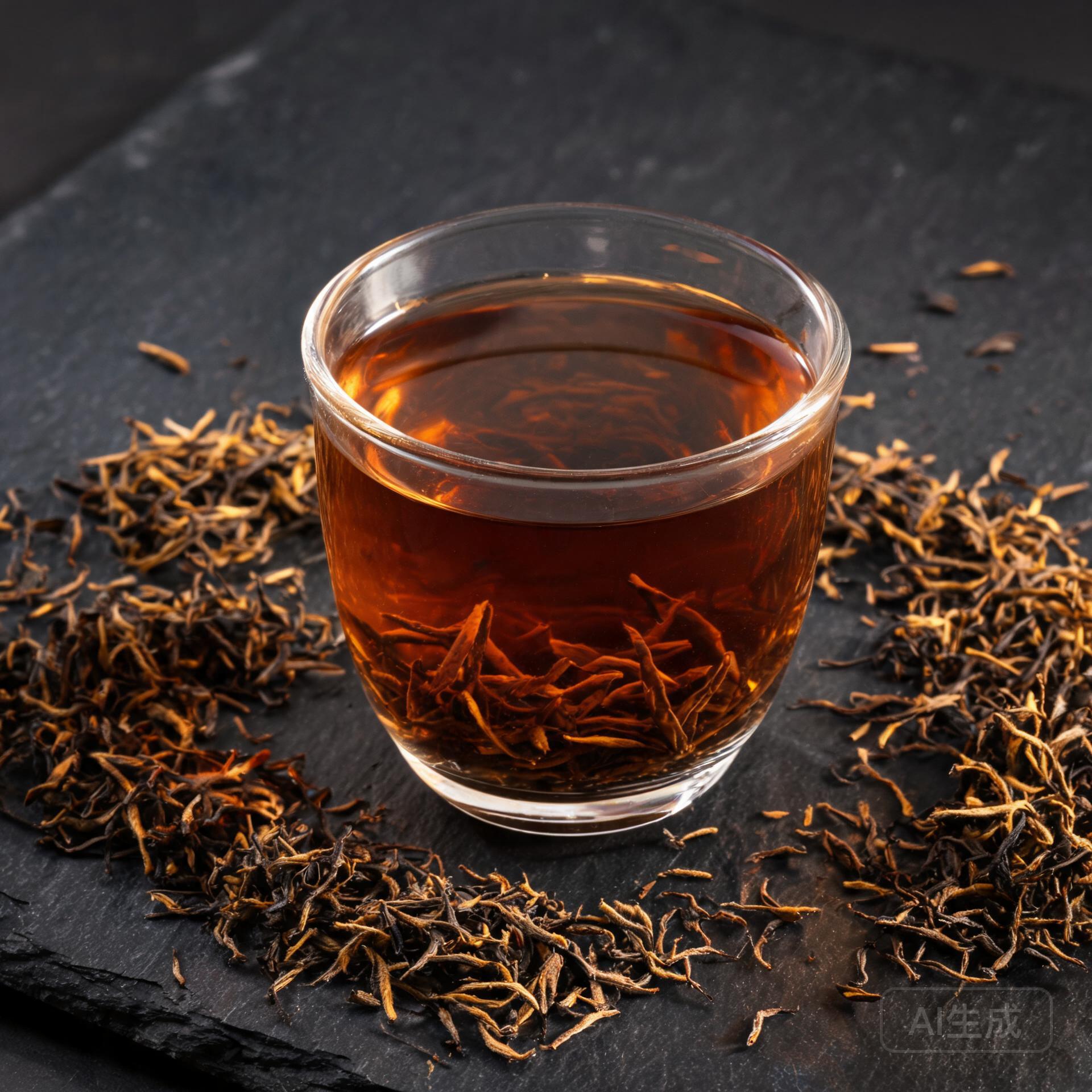
What impresses in Red tea
Red tea is the most universally liked gift in tea, because it is familiar, forgiving and easy to brew with a kettle.
What impresses is a named origin rather than a grade. A Darjeeling estate or a Chinese cultivar gives the gift a place.
For someone who takes milk, a good strong blend is genuinely the better gift, and it costs far less.
Drunk black, a second flush Darjeeling or a Dian Hong is the classic choice and reads as such.
Golden tips in a Chinese red tea look impressive in a jar, and they are a real grade marker rather than decoration.
Buy 100 to 250 grams. Red tea is cheap enough per gram that a generous-looking quantity costs very little.
Loose leaf impresses more than bags, even for someone who normally uses bags, because it looks like an occasion.
A tea the recipient can make in a mug without equipment is worth more than a better tea that needs a pot.
What impresses most with red tea is consistency. Give something that tastes the same every morning for two months.
Packaging that works
This is the least demanding tea to package. It does not need the cold, it travels well and it keeps for a year or two.
A sealed bag inside a box is fine, and a tin with a proper seal is fine too. This is the one category where the tin is not a mistake.
Label the origin and the harvest date. Red tea keeps, but not forever, and the date tells them how long they have.
Include a note on brewing: water at 100 degrees, 4 minutes, and milk if they want it. Most people get one wrong.
Give a measure if you can. Three to four grams a cup is more than people guess, and under-dosing makes any tea taste thin.
Avoid anything that lets light in, since red tea fades slowly but it does fade.
Posting is low risk. Red tea is robust and it does not crush into dust the way a green tea does.
If you are giving a gift set, keep it to two teas. Any more and it becomes homework.
A simple kraft pouch with a printed label looks honest and costs almost nothing, which is the right ratio for this tea.
Matching the occasion
For a newcomer, give a breakfast-style blend. It is what they already know, and a good version of it is a real upgrade.
For an enthusiast, give a single estate with a flush and a year, and say what makes it that.
For a host, give a strong blend they can make in a pot for six people without thinking about it.
For a colleague, 100 grams of something good in a small box is right and it will not embarrass anyone.
For a formal gift, a Chinese red tea with visible golden tips reads as expensive because it is.
A coffee drinker will take to a strong Assam or a smoky Lapsang, and both are memorable gifts.
For winter, give something malty and strong. For summer, a lighter Darjeeling makes more sense than people expect.
Anyone who only drinks herbal tea will not thank you for red tea. Give them something they will drink.
If you know nothing about their taste, a medium-bodied single origin is the safest thing in the shop.
At 4 grams a cup, a 250 gram bag is about 60 cups, or two months of daily drinking for one person.
What to avoid
Avoid supermarket gift boxes. They are usually old tea in a nice box, and this is the category people drink most.
Check the best-before date before you pay. On gift stock it has often passed already.
Avoid heavily flavoured red tea. Vanilla, caramel and spice mask the leaf and most recipients tire of them quickly.
An expensive first flush Darjeeling is wasted on anyone who takes milk, and they will not know why.
Avoid unlabelled loose tea sold by weight with no origin, and there is a great deal of it about.
Teabags read as an afterthought unless they are very good ones, and most are not.
Avoid anything with a health claim printed on the front, which is where most of the marketing budget went.
Never give a tea you have not tasted yourself. At the same price, red tea varies more than buyers expect.
The main thing to avoid is staleness disguised by packaging. Check the harvest date before you pay for the box.