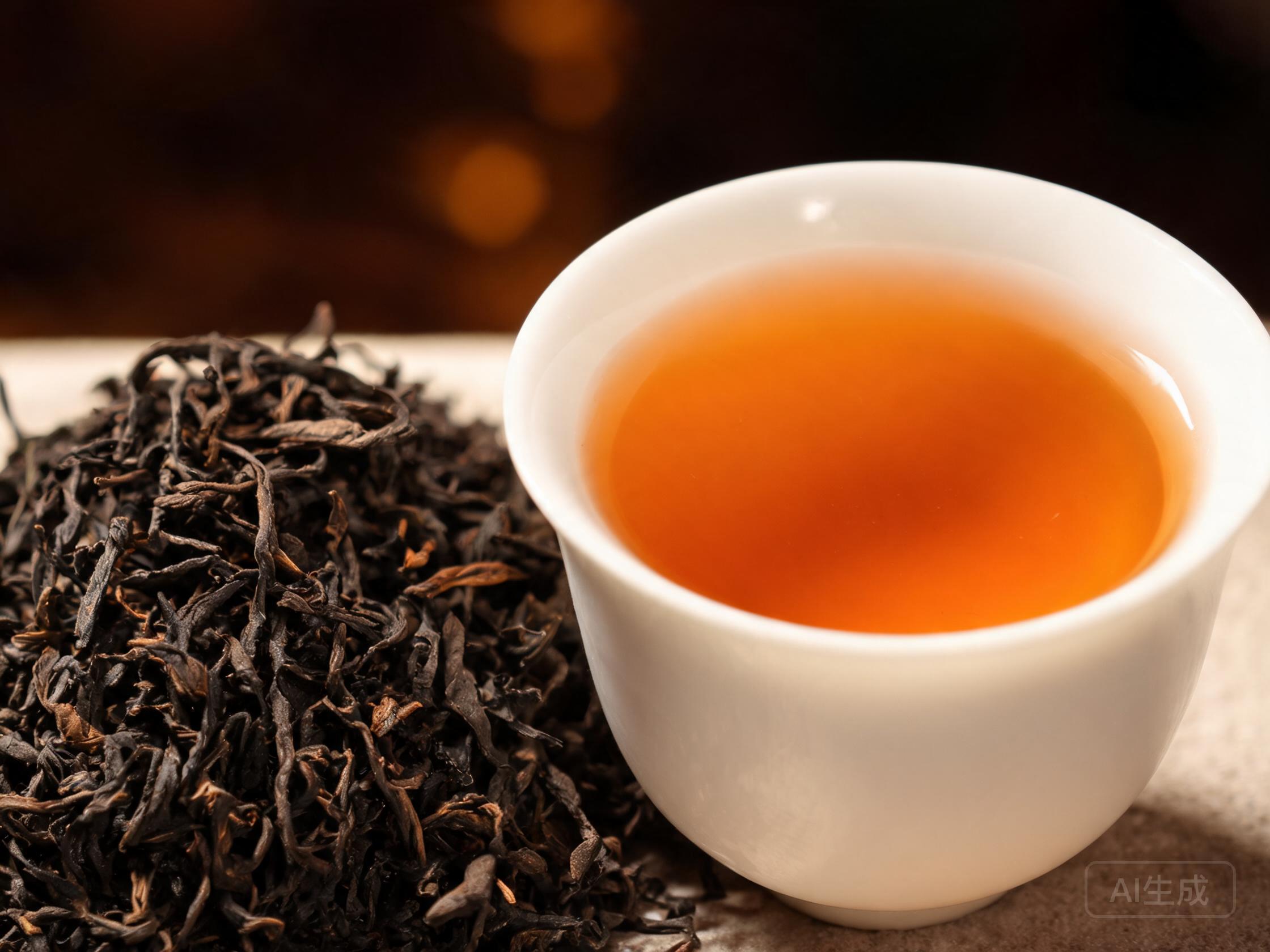
The method
Red tea, called black tea in the West, is judged on sweetness, strength and how clean the fermentation was.
Those three are independent of each other, and a tea can easily be strong and unpleasant or sweet and thin.
Fix your method before you start, and 3 grams of leaf to 150ml of water is a workable standard.
Use water at 90 to 95°C, because boiling water pulls tannin out faster than it pulls anything worth having.
Keep the leaf weight and the water volume identical across every sample you intend to compare.
Smell the dry leaf, then the wet leaf after pouring, then the empty cup once it has cooled a little.
The cooled cup is the most revealing of the three, since faults survive there after sweetness has gone.
Hold one known tea back as a control, and brew it in every session you run from now on.
Write descriptions rather than verdicts, noting what you tasted and deciding whether you liked it later.
Repeat the whole flight on a second day before you rank anything, and see what moves.
Setting up
Water should be soft and neutral, because hard water makes red tea look dull and feel rough on the tongue.
Boil it, then let it settle for a minute or two so that it lands somewhere near 90 to 95°C.
Porcelain is the safest vessel available, since it holds no odour and adds nothing of its own.
Warm the pot and the cups, because red tea loses temperature quickly and the aroma goes with it.
Steep 2 minutes for the first infusion, then add a minute for each one after that.
Three infusions are enough to judge most red teas, and a good one still has body at the third.
If you are testing with milk, brew a second cup at double strength instead of judging a weak first one.
Sample from the middle of the tin, because broken leaf and dust sink and they brew darker than whole leaf.
Keep the bench clean and unscented, and do not review red tea within an hour of drinking coffee.
Five samples is the ceiling, after which sweetness stops registering and only astringency does.
What to score
Look at the dry leaf for evenness of colour and for how much golden tip is mixed through it.
Plenty of tip usually means a sweeter and less aggressive cup, though it guarantees nothing on its own.
The dry aroma should be clean and sweet, sometimes malty and sometimes fruity, and it is never sour.
Smoked teas such as Lapsang are the exception, and there the smoke should smell clean rather than tarry.
Judge the liquor for brightness, since a good red tea is clear reddish amber and never muddy brown.
Taste for sweetness first, then for strength, then for the point at which astringency arrives.
Astringency that dries the cheeks and then fades is normal, while astringency that stays is a fault.
The aftertaste should stay sweet, because bitterness replacing sweetness at the end usually means poor leaf.
Check the spent leaf, which should be even in colour and soft, and free of hard black fragments.
Faults worth naming: sour, stewed, flat, and the metallic edge that comes from water that was too hot.
Avoiding bias
Origin claims carry a lot of weight in red tea, so remove the wrapper before anyone tastes anything.
Compare samples at the same strength, since a stronger brew wins a side by side almost every time.
Brew lighter teas first and heavier ones later, because strength accumulates on the palate within a session.
Rinse with plain water between cups and give yourself a minute before the next sample arrives.
Be careful with milk, which hides astringency and hides faults along with it, so judge the tea plain first.
Time of day matters, since red tea reviewed late in the afternoon tastes flatter than the same tea at ten.
Ignore the first 30 seconds, because the first impression of a strong tea is mostly heat and tannin.
Have someone else pour, since knowing which sample is which changes what people report every single time.
Write the note during the session rather than afterwards, and keep the vocabulary you used the week before.
If two samples tie, leave them and come back the next day instead of forcing a rank.