How the name came
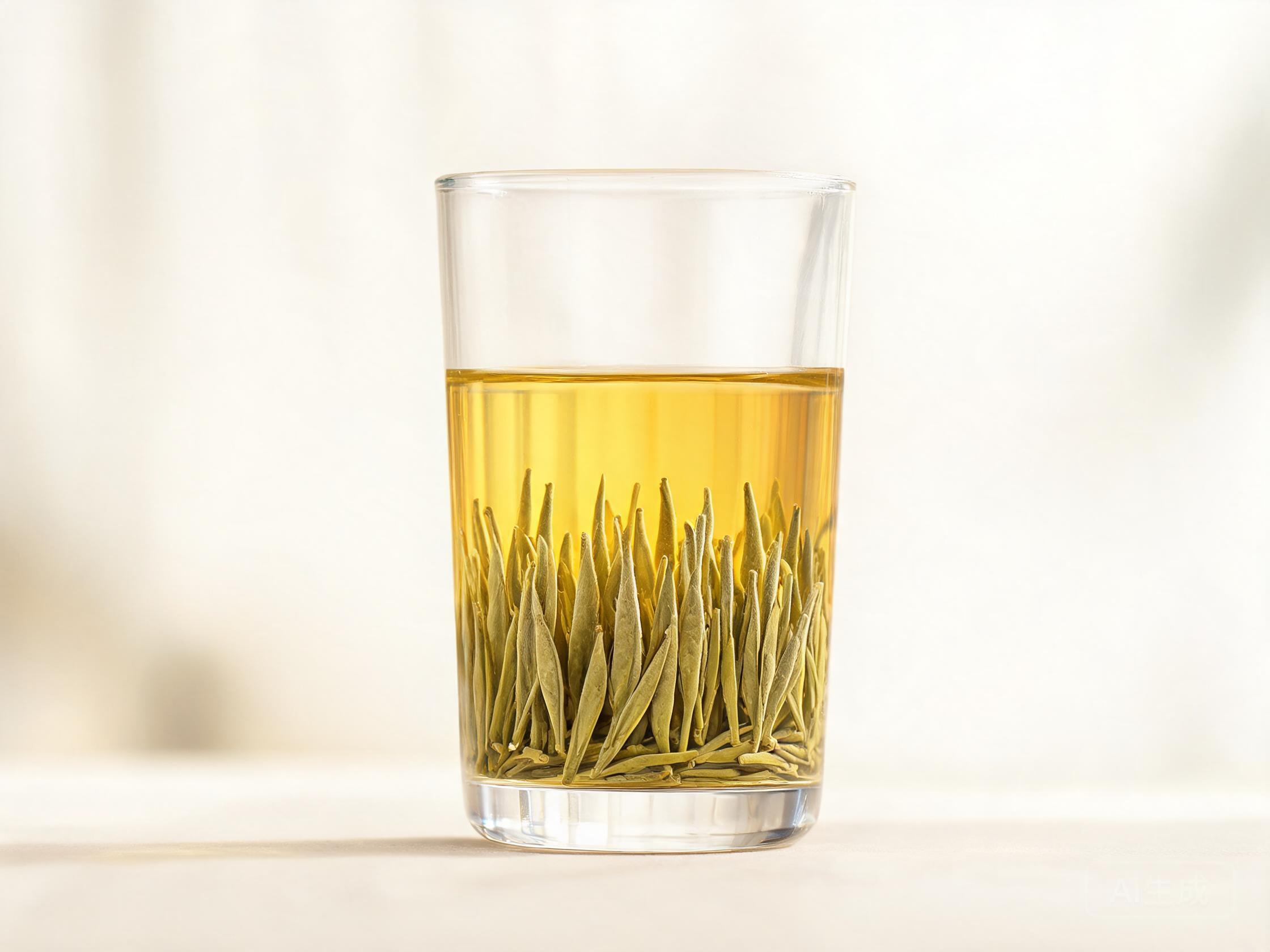
The name huang cha(黄茶)is unusually literal, since it means yellow tea and describes the leaf.
Yellowing, or men huang(闷黄), turns the leaf from green to yellow after it has been fixed.
The name records the visible result of that step rather than a place or a shape.
That makes it one of the few Chinese tea names that tells you what was done to the leaf.
Most other categories are named the other way round.
Longjing(龙井)is a place and Biluochun(碧螺春)is a shape, and neither says anything about method.
Green tea follows the same logic, being named for the colour the leaf keeps.
The system is not consistent, which is exactly why it repays careful reading.
Inside the category, sub-names follow the standard conventions.
Junshan Yinzhen(君山银针)pairs a place with a shape: silver needle from Junshan island.
Mengding Huangya(蒙顶黄芽)does the same: yellow bud from Mengding mountain.
Huoshan Huangya(霍山黄芽)follows the identical pattern.
So the full name usually gives you a place, then a leaf grade, and the category word supplies the rest.
Three words in Chinese carry what takes a whole paragraph to say in English.
Name as map
Read a tea name as a specification, and the shelf stops being confusing.
The first word is usually the place, and it is the most informative part of the label.
Junshan, Mengding and Huoshan are the three that matter in this category.
Each has different material and a slightly different hand behind it.
Junshan is a single bud tea from an island, and it is the most delicate of the three.
Mengding is a bud tea from a mountain with a long cultivation history.
Huoshan is the leafiest of the three and usually the least expensive.
The second word tells you the grade: ya(芽)means bud, and the leaf gets coarser from there.
A bud grade costs more, drinks softer, and gives 2 or 3 fewer infusions than a leafy one.
What no name in this category tells you is the harvest year, and that is the gap you fill yourself.
Two tins with the same name from different years are genuinely different purchases.
Ask for the year at the counter, and write it on the tin when you get home.
That one habit turns a name from decoration into something you can act on.
When names mislead
Names here get borrowed more easily than in most categories, because the category is small.
A famous name on a plain package is a clue to check rather than a guarantee of anything.
The most common problem is a green tea sold as a yellow one.
Skipping or shortening the yellowing step is cheap, and the result looks close enough to pass.
It does not taste close enough, which is the whole point.
The second problem is place names used loosely.
Junshan is an island of a few square kilometres, and the tea from it is limited by definition.
Far more Junshan Yinzhen is sold than the island could ever produce.
Some of that is grown nearby and made the same way, which is honest if it is disclosed.
Most of it is not disclosed, and no certification scheme catches it.
The third problem is the category word itself, which has been stretched to cover roasted greens.
A roasted green is not a yellow tea, whatever the label on the tin says.
Tasting is the only reliable check, and it takes about 3 minutes.
Using names well
Decode the name into its parts before deciding anything else.
Place, leaf grade and harvest year are the three that matter, and two of them sit on the label.
Ask for the third, then taste the tea against what the name promised.
Brew 4 g in a 120 ml gaiwan at 85 °C for about 60 seconds.
A tea that answers to its name tastes sweet, soft and free of any grassy edge.
One that does not will taste like a green tea with the sharpness left in it.
Buy from a seller who will name the county rather than the province.
A county is specific enough to check, and a province is not.
Compare two counties side by side, which is the fastest way to learn the difference.
Buy 50 g at a time, and keep the wrappers once they are empty.
The name plus the year is the only record you will ever have of what you drank.
The regional guides here list which names belong to which county.
Once you can read the label, the category stops being mysterious, though it stays expensive.