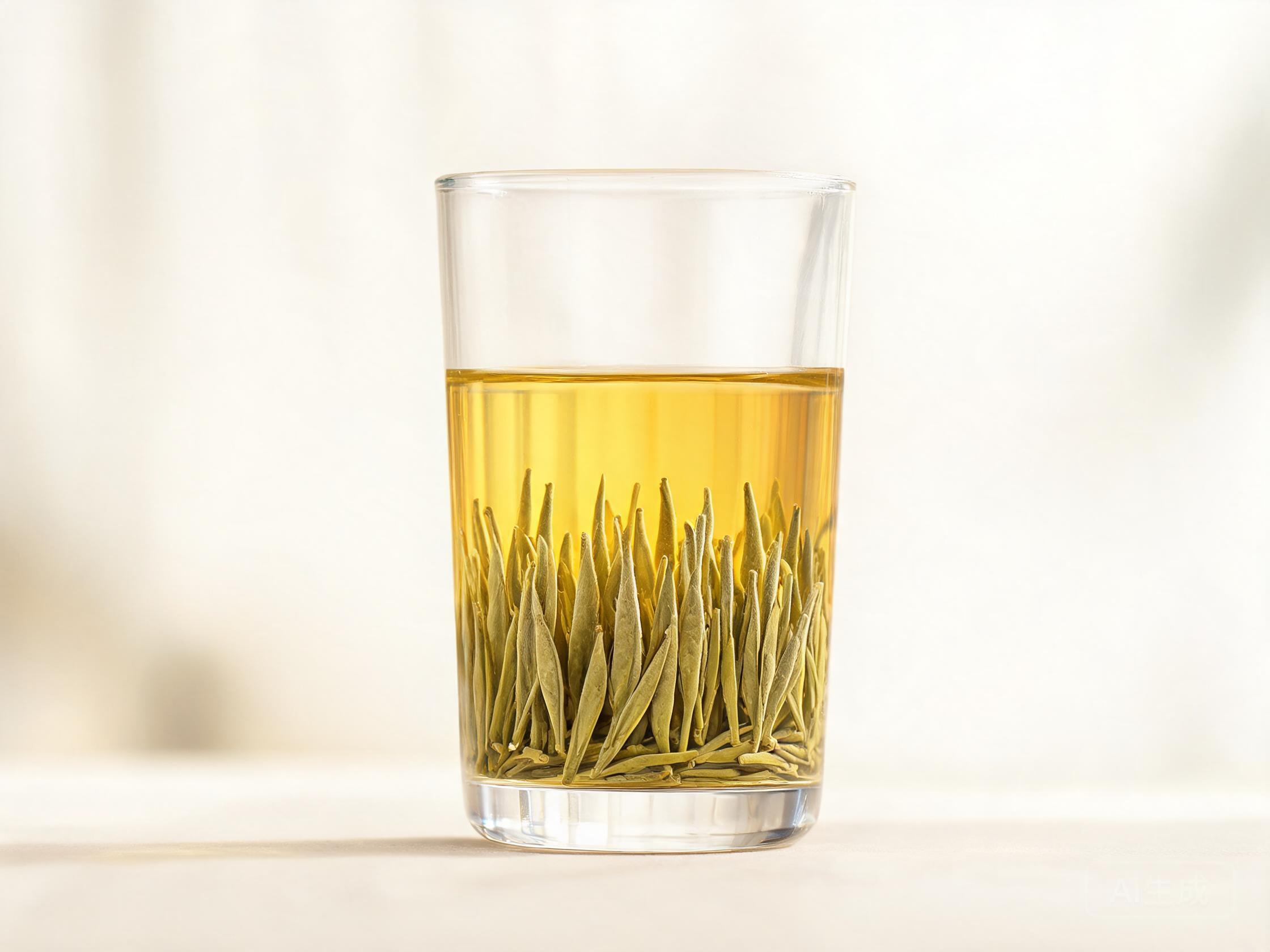
What the GI means
Yellow tea is small, and its protected names are small with it, which changes how they behave.
Junshan Yinzhen is the best known, named for an island in Dongting lake in Hunan.
Mengding Huangya from Sichuan and Huoshan Huangya from Anhui carry their own registrations.
Three names, three counties, and a category that most drinkers have never bought.
Because the volumes are tiny, the marks are rarely enforced and rarely counterfeited either.
In China a name can be protected 3 different ways, and yellow tea uses two of them.
Product protection is the formal route, run by the national intellectual property office since 2018.
Certification marks are the second route, and they are the ones that appear on a gift box.
The agricultural register is the third, and it is the one small producers tend to hold.
Outside China none of these names is protected, and the same leaf is sold under plain descriptions.
So the marks do real work at home and almost none abroad.
What it guarantees
What the designations guarantee follows the same shape as everywhere else, and it is short.
The leaf has to come from the named county, which for Junshan means the island itself.
Method is fixed too, and it includes men huang(闷黄), the yellowing step that defines the category.
Without that step the tea is green tea, and a protected yellow tea name on it would be false.
Mengding sits on a mountain around 1,000 m, and the gardens there are old and small.
Huoshan sits further north, and its cooler climate pushes the harvest later than Sichuan’s.
The guarantee also covers the bud grade, since all three classic names are bud teas.
Junshan Yinzhen, Mengding Huangya and Huoshan Huangya are all made from buds rather than open leaf.
That is a real constraint, and a leaf grade sold under one of those names is not the described product.
The standard also fixes the moisture and the appearance, which are the parts an inspector can check.
The 2021 agreement with the European Union lists 100 Chinese products in its first batch, though yellow tea is barely represented on it.
What it does not
What the marks do not guarantee is the specific failure that yellow tea is prone to.
They do not guarantee that men huang was done properly, and that is the risk in this category.
Under yellowed tea still tastes green, and over yellowed tea tastes flat and slightly sour.
Both can carry the registered name, because both were made inside the boundary by a registered maker.
They do not guarantee freshness, and yellow tea loses its sweetness faster than green tea does.
A yellow tea kept through a hot summer is a different drink from the same tea kept cool.
Harvest date is not fixed, and it matters here more than the county does.
Cultivar is not fixed either, and the same county grows several bushes suitable for the grade.
Blending buds with leaf from another county is not excluded by anything on the wrapper.
Enforcement is complaint driven, and nobody complains about a category this small.
The mark confirms the name and leaves the quality question entirely open.
How to use it
For yellow tea the useful check is in the cup rather than on the wrapper.
Brew 5 grams and look for the absence of green, which is the whole point of the category.
A grassy note means the yellowing was skipped or cut short, whatever the packet says.
A dull, flat sweetness means it was held too long, and no mark will rescue it.
Use the protected name to confirm the county, then set it aside and judge the tea.
Buy small quantities, because yellow tea is at its best within a few months of the harvest.
Ask for the harvest date before you ask about the designation, since the date matters more.
With Junshan Yinzhen, check that the buds are even and dry, since damaged buds lose their sweetness fast.
With Mengding and Huoshan, buy from a seller who moves stock quickly rather than one who stores it.
The names are worth knowing and not worth paying much for on their own.
Treat them as confirmation of where the leaf grew, which is all they were ever designed to do.