The big picture
Yellow tea occupies two or three dots on the map, and the category is defined by its process rather than a region.
Mengding in Sichuan is one of them, on a mountain above Mingshan near Ya’an.
The site sits at 800 m to 1,400 m and gets heavy rain, which is why the area is known for cloud and mist.
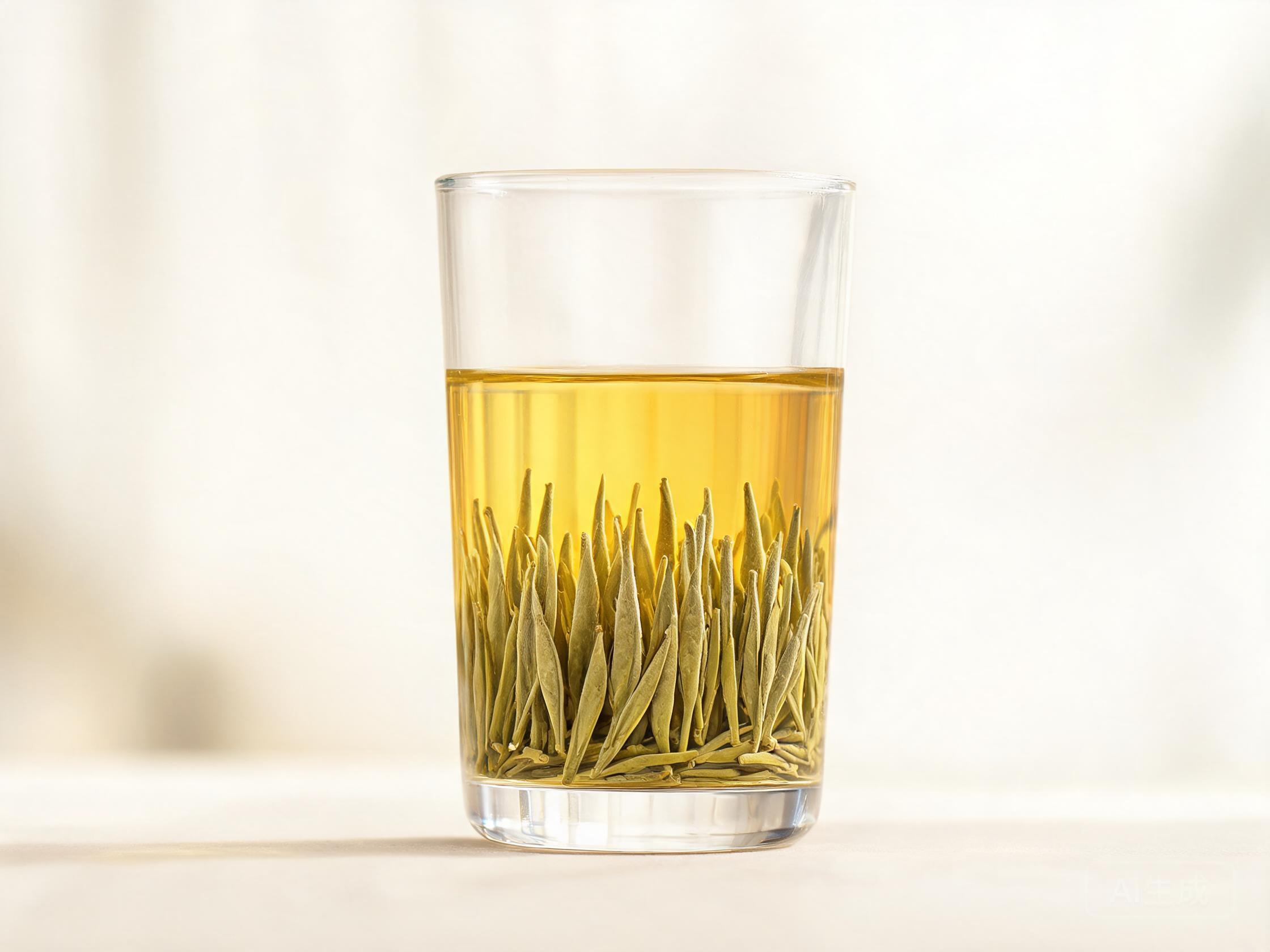
Meng Ding Huang Ya is made from single buds picked before the spring rains settle in.
Junshan is the other, a small island in Dongting Lake near Yueyang in Hunan.
The island covers under 1 square kilometre, and its output is genuinely tiny.
Surrounded by water, it holds humidity that the surrounding hills do not, which suits a slow yellowing hold.
Huoshan in Anhui is the third name, in the Dabie mountains, and it makes both a bud tea and a coarse one.
Pingyang in Zhejiang and parts of Guangdong produce smaller amounts that rarely travel.
Everything else sold as yellow tea is usually green tea that skipped the hold.
So the map is small, the volumes are smaller, and the method is what makes the names worth learning.
Reading the map
Read the yellow tea map as a list of gardens rather than a region, because there is no region to speak of.
Mengding and Junshan are separated by more than 1,000 km and share no growing conditions at all.
One is a rainy mountain slope, the other a lake island, and both produce a bud tea with a sweet profile.
That is the interesting part: the same process in two unrelated places produces recognisably similar tea.
It suggests the hold does more of the work than the ground does, which is unusual in tea.
Huoshan is different again, and its Huang Da Cha is made from open leaf rather than buds.
That coarser tea tastes toasty and strong, and it is the honest version of what coarse material can do.
Plot the three and you get points, not clusters, and no fringe supplying a centre.
There is no large volume of yellow tea anywhere, and no district producing it cheaply at scale.
That is why the category is small, and why the names on it are worth more than most origin claims.
A map of points rather than areas is also much easier to counterfeit, which buyers should keep in mind.
Why geography matters
Geography matters here less than in any other category, and the process is the main reason.
The yellowing hold produces most of what distinguishes these teas, and it happens indoors under controlled conditions.
A maker can run the same hold in Sichuan or Hunan and get broadly the same result.
What the ground does contribute is the leaf, and a bud grade is demanding wherever it is grown.
Mengding’s rain and mist give a tender bud that holds up to a long hold without going coarse.
Junshan’s lake humidity does the same job by a different route, keeping the leaf moist through the hold.
Both places are unusually humid, and it is tempting to read that as the shared geographic factor.
Elevation matters within each site, with the upper gardens on Mengding producing the most valued leaf.
Soil is largely irrelevant here, and nobody seriously claims a mineral character for yellow tea.
Method grew up in both places because the material suited it, and not because of the ground.
So the geography sets a limit on quality, and the process decides everything else.
A starting point
Start with the two famous names, because they are the reference points for the whole category.
Buy a Meng Ding Huang Ya and a Junshan Yinzhen, and taste them beside a green tea of similar grade.
That third cup is the control, and without it the category is easy to fake in your own head.
If the difference is obvious, the hold was done, and if it is not, you bought green tea.
Add a Huoshan Huang Da Cha afterwards, and the coarse end of the category becomes clear.
It tastes toasty rather than sweet, and it is the one yellow tea that does not pretend to be delicate.
Altitude matters within Mengding and is worth asking about, since the upper gardens cost more.
Grade matters less, because nearly everything in the category is already a bud grade.
The GI designations are useful here, since they cover genuinely small areas rather than whole provinces.
That makes them a stronger signal than in most categories, and worth checking on the packet.
Learn the two gardens, verify the hold in the cup, and the rest of the category is easy to place.