The centre
Yellow tea’s centres are three small places, and the surrounding area is barely organised at all.
Junshan is an island in Dongting lake, and the gardens there cover roughly 300 hectares.
Mengding is a mountain in Sichuan around 1,000 m, and the old temple gardens on it are what matters.
Huoshan is a county in Anhui, and within it the core is a handful of valleys.
Three centres, three provinces, and a combined output that is tiny next to any other category.
Around them, the surrounding area is mostly other counties copying the method.
Yellow tea is made in small amounts in several provinces, usually from local bushes.
Much of it is sold under a generic name rather than under a place name, which is honest.
Some of it is sold as one of the three famous names, which is not.
The centres here are small enough that they cannot supply the demand for their own names.
That gap is filled quietly, and there is no register or mark to check it against.
A buyer in this category is relying on the seller almost entirely.
Why the centre leads
History is the reason these three lead, and it is a long history of tribute tea.
Bud teas made for the court were recorded early, and the names have carried ever since.
Skill is the second reason, and it is the one that matters most in this category.
Men huang(闷黄)is a step that almost disappeared, and it survives in the places that never stopped doing it.
A maker who learned it from a parent has an advantage that no amount of equipment buys.
Cultivar is the third, since each of the three grows a bush suited to its own climate and soil.
Junshan’s island gardens sit in the humidity of a lake, which suits a bud tea well.
Elevation plays almost no part here, and Junshan is close to the water level of the lake around it.
Reputation does the rest, and it keeps prices high for a small and fragile product.
The centres also have the buyers, since a tea this perishable needs to be sold quickly.
A maker with a waiting list can pick carefully and sell the whole crop in a week.
That is the real advantage, and it is worth more than the soil.
What surrounding areas do well
The surrounding areas do one thing well, which is price.
A yellow tea from outside the three centres costs a fraction of a named one and can be very close in the cup.
The method is not a secret, and any competent maker can run a yellowing step.
What they do less well is the picking, and bud grades need a careful hand.
A coarse pick with leaf and stem in it will never taste like a bud tea, whatever the method does.
They also lose on freshness, since the surrounding producers are further from the buyers.
Yellow tea is at its best within months of the harvest, and a slow supply chain ruins it.
That is the real difference, and it is not a difference of place at all.
A surrounding producer who sells quickly and locally can beat a famous centre tea that sat in a warehouse.
Buyers rarely get the chance to make that comparison, because the surrounding tea is unmarked.
So the surrounding area is a source of good cheap yellow tea and of quiet substitution.
Both of those are true at the same time.
A buying note
Buy yellow tea on the seller and on the harvest date, and treat the place as a secondary matter.
Ask when the tea was picked, and if the answer is vague, buy something else.
This category rewards turnover more than terroir, and a fast moving shop beats a famous name.
Brew 5 grams in a 100 ml vessel at about 85 °C, since a bud tea scorches under boiling water.
Steep the first infusion for 30 seconds and keep the later ones short.
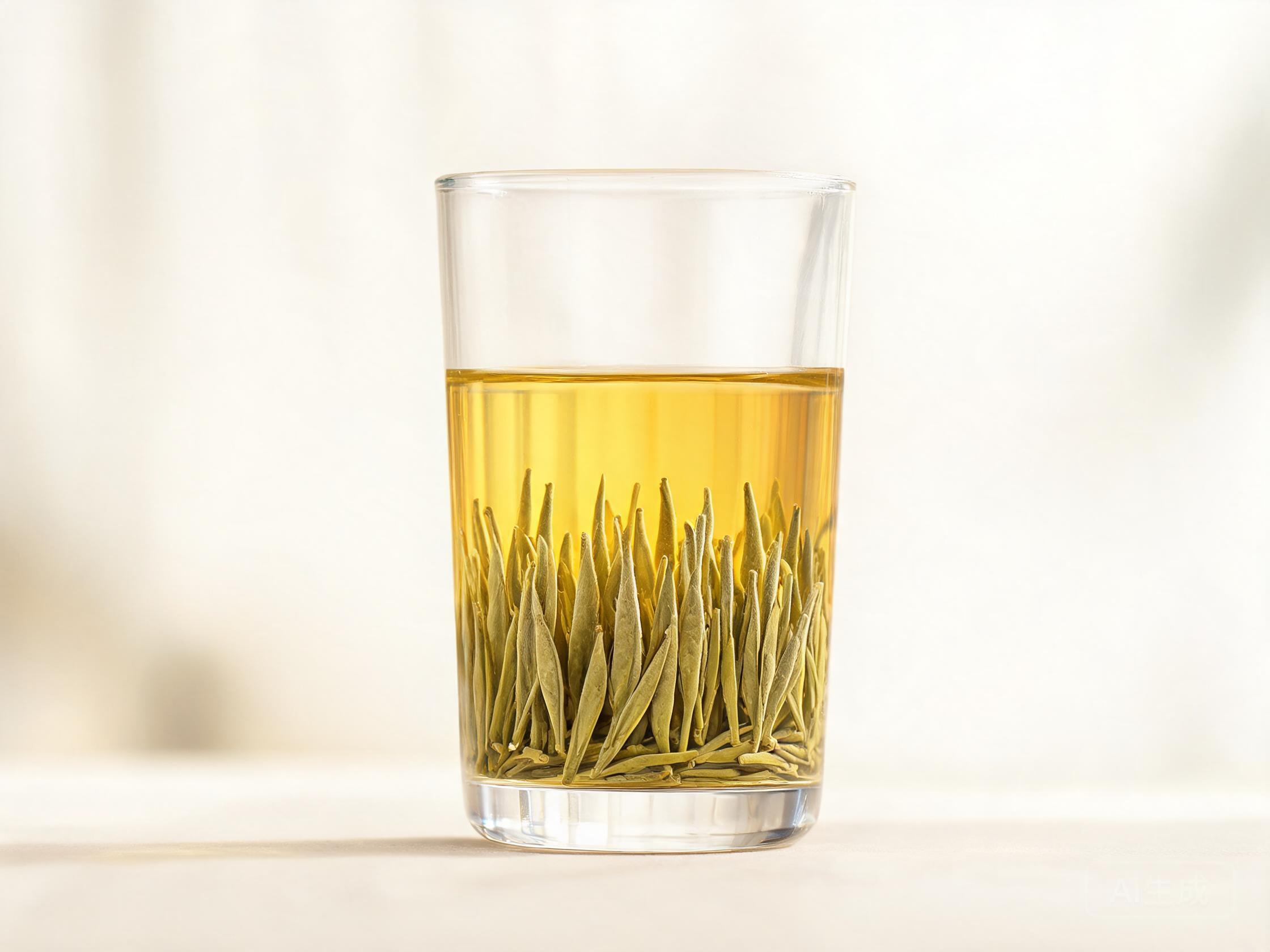
Smell the wet leaf for a sweet corn note, which is the signature of a properly yellowed tea.
Grassiness means the step was cut short, and a dull flat sweetness means it ran too long.
Take the tea through to the 4th infusion, where any green edge becomes impossible to miss.
A centre tea holds a soft sweetness at that point, and a poor one has gone thin or sour.
Buy in small quantities regardless, because yellow tea does not keep as well as people assume.
Pay for a centre name only from a seller who can also tell you the year and the picking standard.
Without those two facts, the name is the weakest part of the offer.