The effect
Altitude does very little for yellow tea, and the category is the proof of it.
Junshan Yinzhen grows on an island in Dongting lake, at close to the level of the water around it.
It is still the sweetest and most sought after tea in the category, which tells you what height is worth here.
Mengding Huangya comes from a mountain in Sichuan around 1,000 m, and it is rounder rather than sweeter.
Huoshan Huangya is grown lower and further north, and it is the freshest and greenest of the three.
Those differences track the method and the cultivar far more closely than they track the height.
Men huang(闷黄), the yellowing step, decides the cup, and it has nothing to do with elevation.
A badly yellowed tea from 1,000 m tastes green, and a well made one from a lakeside tastes sweet.
Picking date matters more than height, because all three teas are bud grades taken in early spring.
A late pick loses its sweetness regardless of where the bush was standing.
So the effect exists and is small, and it is easily swamped by everything else in the process.
Sellers who lead with altitude on yellow tea are reaching for the wrong selling point.
Why it happens
Where the mechanism does operate, it is the familiar one of slow growth in cool air.
A slow grown bud is denser, and it carries more of the sugars that read as sweetness.
Cloud at height softens the light, and it stretches the window in which the bud can be picked.
A wider day night swing helps the plant hold what it made, as it does in every other category.
Drainage on a mountain slope keeps the roots from sitting wet, and the bush grows steadily rather than in bursts.
Frost is the counterweight, and on a high yellow tea garden a late frost can remove the first flush entirely.
That risk is one reason high gardens are small, and one reason their tea costs more when it appears.
The yellowing step then acts on whatever the garden produced, and it is the louder effect.
Held damp and warm, the leaf loses its grassy edge and develops the sweet corn note the category is known for.
Hold it too briefly and the tea stays green, and hold it too long and it goes flat and sour.
Both failures happen at every altitude, and neither is visible on a packet.
Height nudges the raw material, and the step decides what becomes of it.
Limits of the rule
Grade is the first limit, since all three classic names are bud teas and the bud size varies with the picking.
A coarse pick from a high garden is still coarse, and no altitude figure rescues it.
Cultivar is the second, and each county grows bushes chosen for its own climate rather than for its height.
Freshness is the third, and it dominates everything else in this category.
Yellow tea loses its sweetness faster than green tea, and a teas kept through a hot summer tastes of nothing.
A high garden cannot fix that, and a low one is not the cause of it.
Altitude numbers on yellow tea are rare, and where they appear they are usually copied from an oolong listing.
The category is small enough that nobody maintains a register of gardens and heights.
A seller quoting one is repeating a wholesale description rather than reporting a measurement.
Storage is undisclosed in any case, which makes a height claim untestable even in principle.
What can be checked is the harvest year and the seller’s turnover, and both are more useful.
Height is close to the last thing worth asking about in yellow tea.
Practical takeaway
Buy yellow tea on freshness and on the taste of the yellowing step, and ignore altitude entirely.
Ask for the harvest before anything else, and treat a vague answer as a reason to buy elsewhere.
Brew 5 grams in a 100 ml vessel at about 85 °C, since a bud tea scorches under boiling water.
Steep the first infusion for 30 seconds and keep the later ones short.
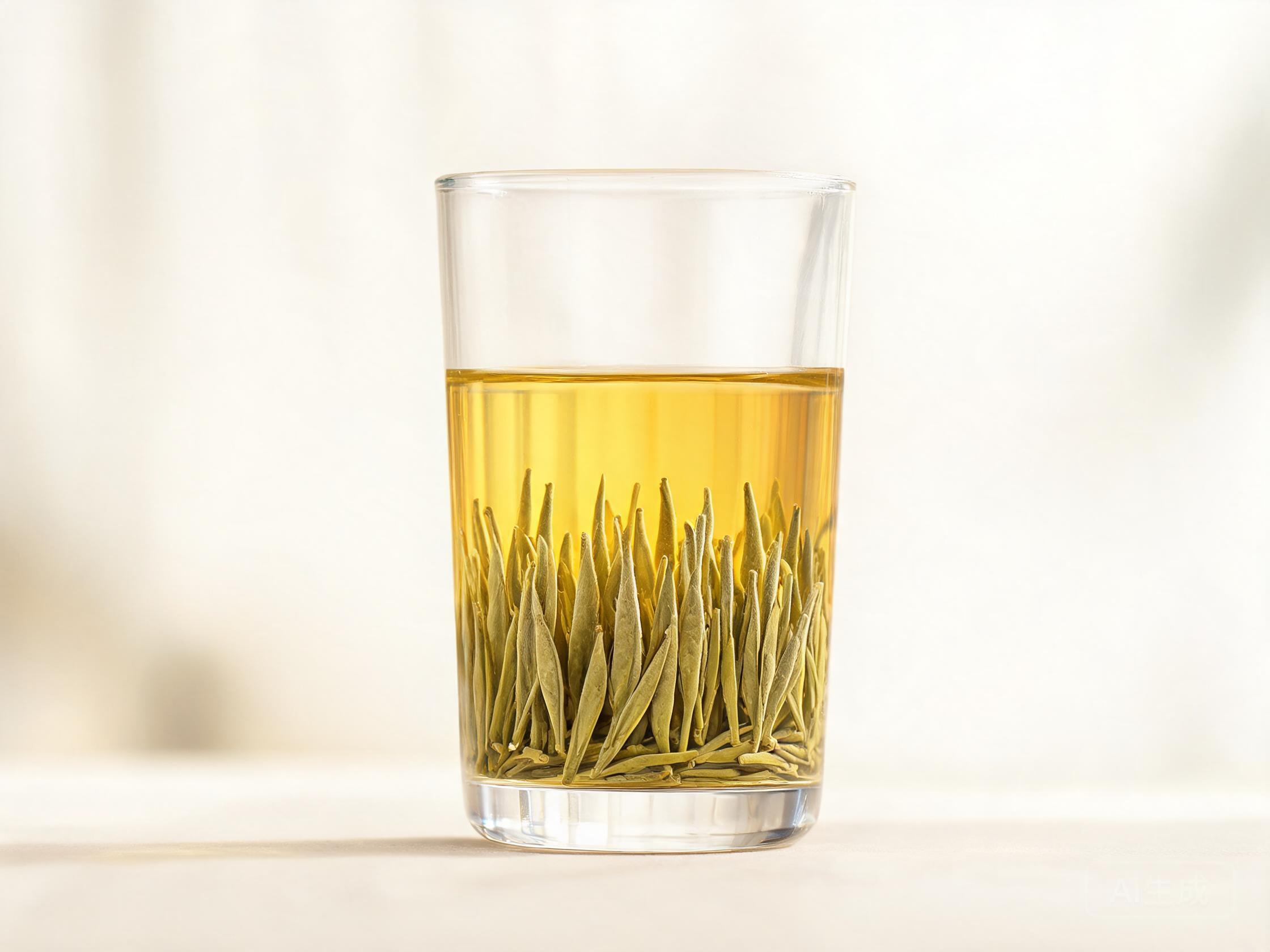
Smell the wet leaf for a sweet corn note, which is the signature of a properly made yellow tea.
Grassiness means the step was cut short, and a dull flat sweetness means it ran too long.
Take the tea through to the 4th infusion, where any green edge becomes impossible to miss.
Compare two samples at a time, because the differences within this category are small and the palate tires.
Buy in small quantities whatever the result, since yellow tea does not keep as well as people assume.
A seller who moves stock quickly is worth more to you than a garden at any height.
If a packet leads with elevation, it is telling you the seller has nothing better to say.
Freshness, method and turnover, in that order, and height somewhere well down the list.